WDCO assessment prep
Good photos help a WDCO assessment, but only when they are taken safely.
For a Maryland wildlife damage control phone or email assessment, the most useful photos are usually not close-ups of the animal. They are safe, contextual photos that show where activity is happening, how the structure or site is arranged, and what damage or entry clues are visible.
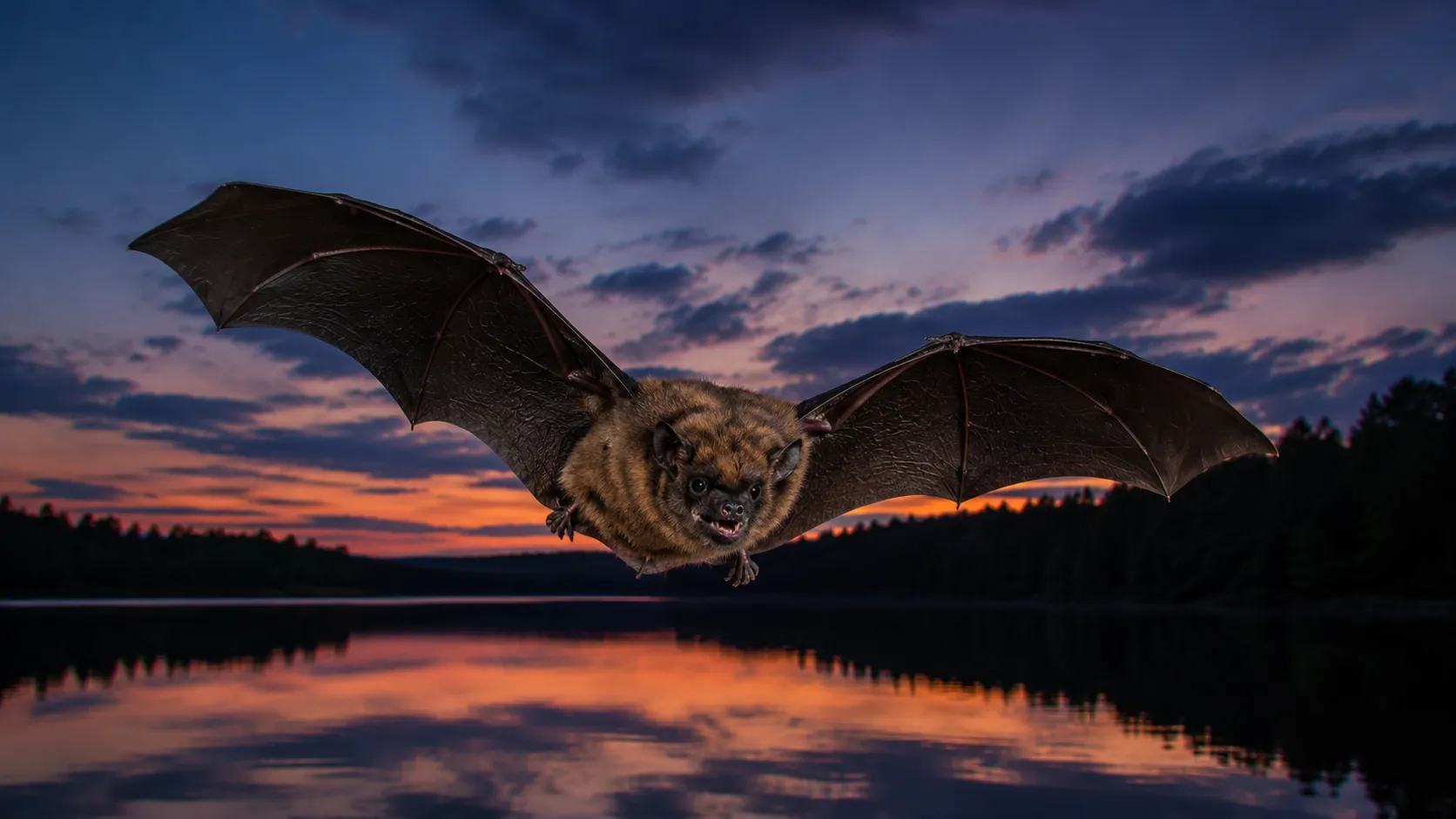
Do not enter attics, crawlspaces, roofs, chimneys, confined spaces, active dens, or unsafe areas for a photo. Do not approach bats, snakes, injured wildlife, cornered animals, or animals involved in bite, scratch, saliva, or exposure concerns.
Maryland WDCO license scope
Maryland DNR Wildlife & Heritage Service WDCO license no. 58150 - Michael W. Deem, d/b/a Maryland Wilderness Company. Authorized license species: Birds, mammals including bats, reptiles, and amphibians.
Best evidence
Photos that usually help
Wide context
Show the whole side of the structure.
Step back and photograph the wall, roofline, deck, porch, shed, pond edge, coop, garden, or yard area where the activity is happening.
Possible entry
Show gaps and openings safely.
Photograph vents, soffits, fascia, chimney caps, foundation gaps, crawlspace openings, deck edges, shed gaps, or burrow mouths from a safe position.
Damage pattern
Show what changed.
Useful damage photos may include chewed material, torn insulation, displaced soil, disturbed mulch, gnaw marks, stained areas, damaged screens, or pond/culvert impacts.
Scale
Include safe scale when possible.
A ruler, coin, gloved hand at a safe distance, or a familiar object near droppings, tracks, holes, or damage can help interpret size without touching evidence.
Timing notes
Add the when, not just the image.
Write down time of day, sounds, odor, repeated routes, whether young animals may be present, and how long the issue has been happening.
Site pattern
Show food, water, shelter, and access.
Pet food, bird seed, trash, fruit trees, compost, ponds, poultry, crawlspaces, sheds, dense cover, and water edges can matter as much as the entry hole.
Photos to avoid
- Do not take close-up photos of bats, snakes, injured animals, cornered animals, or animals in living spaces if doing so puts anyone closer.
- Do not climb ladders, roofs, trees, steep banks, barns, or unstable structures for assessment photos.
- Do not enter attics, crawlspaces, chimneys, sheds, confined spaces, or outbuildings when wildlife may be present.
- Do not handle droppings, nesting material, carcasses, contaminated insulation, or suspected rabies/vector exposure evidence for a photo.
- Do not delay emergency, medical, animal-control, or official-agency contact because you are trying to gather better images.
What to send with the photos
A short note often matters as much as the images. Include the county or general Maryland region, property type, where the activity is occurring, how long it has been happening, when it is most active, whether people or pets had contact, whether young animals may be present, and what has already been tried.
For commercial food-service, poultry, livestock, ponds, culverts, or rental/property-management situations, say that up front. Those contexts may require a different route than a simple residential prevention question.
Choose the right route before paying.
If you are unsure whether a phone/email WDCO assessment is the right path, start with the free route check. It helps sort emergency, health, onsite, official-source, commercial, and paid-assessment situations before checkout.
Written/reviewed by
Reviewed for Maryland field use
Michael Deem reviews WDCO preparation pages for safety routing, service-scope clarity, and Maryland wildlife damage control usefulness.
This page prepares safer, better-organized photos and notes for a phone or email assessment. It is not emergency response, medical advice, legal advice, onsite exclusion, trapping, repair, cleanup, or an official agency determination.
Reviewer background
Maryland Wilderness review is shaped by current Maryland DNR Wildlife & Heritage Service Wildlife Damage Control Operator (WDCO) license no. 58150, authorized for birds, mammals including bats, reptiles, and amphibians; ten years of wildlife-conflict experience since 2016; licensed private-applicator experience; practical entomology and pesticide knowledge; nuisance-pattern prevention; insects and attractants; habitat reading; and public education across Maryland wildlife topics.
Open full bio