
Visit planning
Visit Maryland Outdoors
Visit pages are built for the practical question that comes before a trip: where will this day work best? Maryland can offer a mountain morning, a near-home refuge walk, a marsh drive, a family loop, or an owl-listening dusk, but the right answer depends on weather, distance, season, and who is going with you.
This section narrows the choice. It favors places and outing types that teach well, stay realistic, and still feel rewarding after the first visit.
That practical filter is deliberate. Michael Deem’s field background and wildlife damage control experience help keep these pages honest about bugs, wind, distance, shoreline exposure, visibility, family pace, and the difference between a place that sounds broad on paper and a place that actually works for the day.
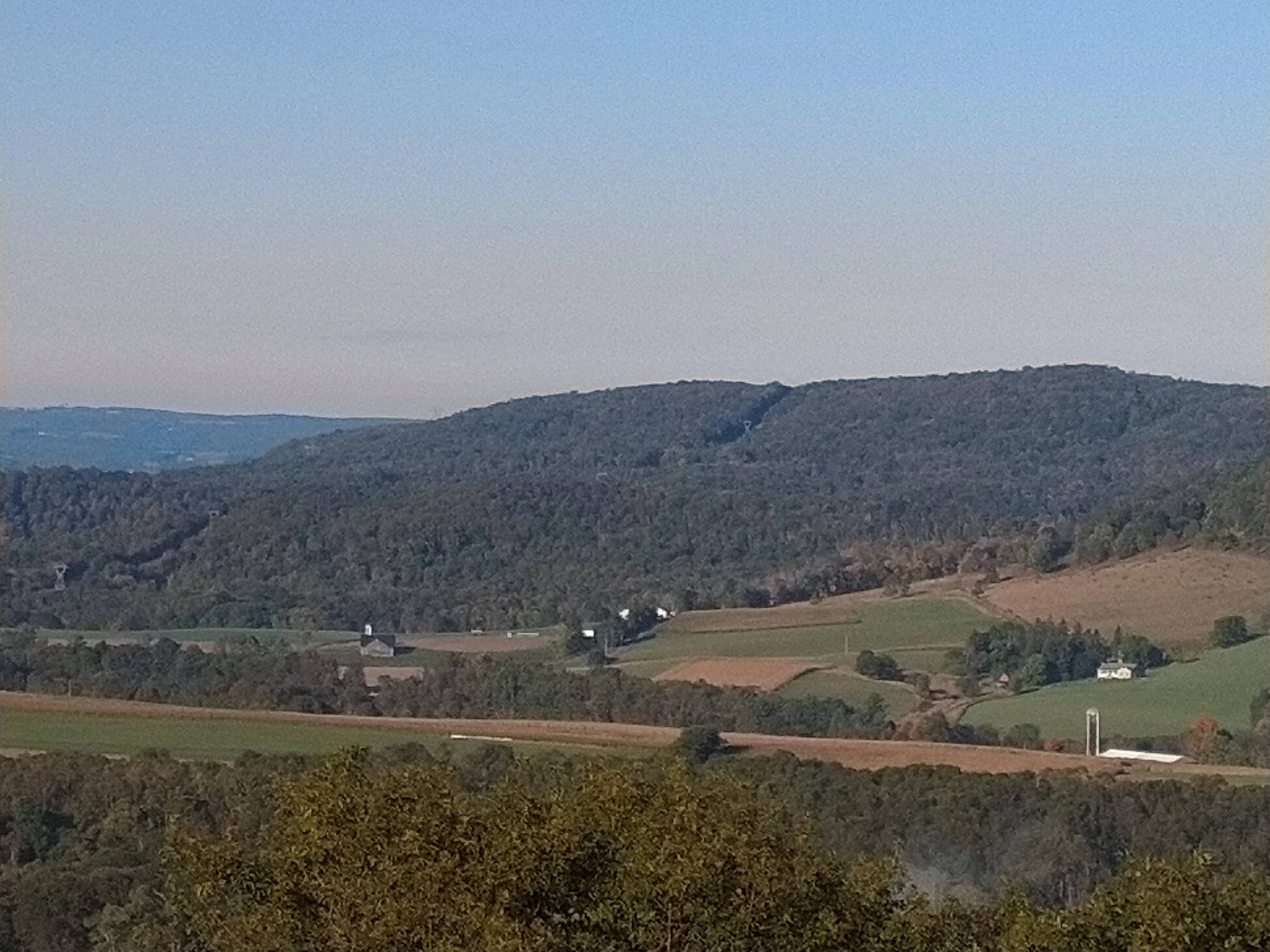
Choose the kind of day first
Wildlife morning
Build around habitat quality, dawn timing, and places where the landscape stays legible without too much mileage.
Family day
Choose low-pressure routes, visible habitat, and places that give children something to notice quickly.
Evening outing
Use dusk, sound, and short routes instead of trying to squeeze a full-day destination into the wrong light.
Repeat local walk
Pick destinations that get stronger with return visits, especially around wetlands, forest edges, and river corridors.
Start with the strongest visit pages
Visit guide
Best Places for Wildlife
A statewide shortlist built around habitat quality, readability, and repeat value.
Visit guide
Family Wildlife Outings
Low-pressure places and pacing that still teach real outdoor patterns.
Listening guide
Best Places for Owl Listening
Use dusk, habitat, and quiet routes to choose better evening ground.
Destination hub
Public Lands
Choose named destinations that match the season, the group, and the kind of landscape you want to read.
Reviewed by
Reviewed by Michael Deem
Michael Deem reviews visit pages through Maryland field work, wildlife damage control experience, and the practical habit of judging weather, insects, pace, visibility, and repeat value before a place is recommended.
Visit pages are reviewed for habitat fit, realistic pacing, group suitability, and the kind of day a destination truly supports.
Use them to narrow choices before travel. Park rules, tides, weather, closures, and posted access conditions still need to be checked with the managing agency.