
Beginner
kit
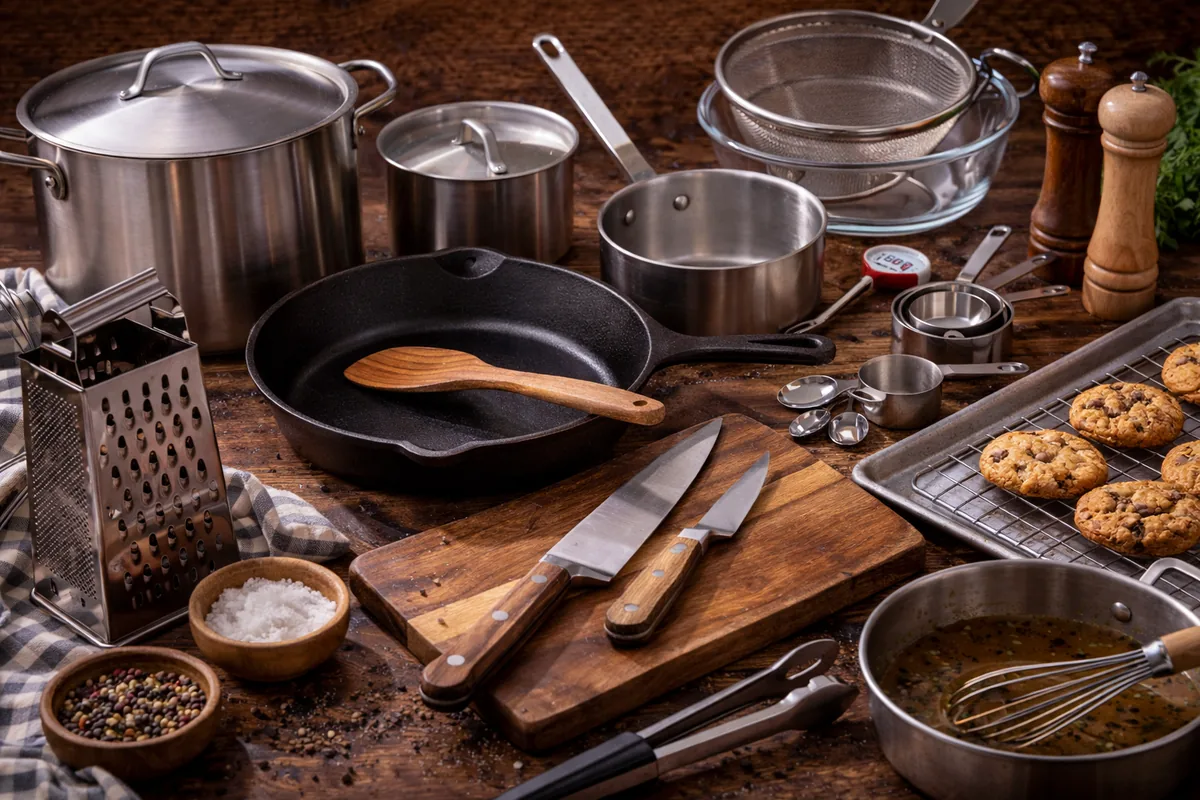
Build a Camp Kitchen Kit
A practical kit for repeatable outdoor meals without packing a whole home kitchen.
Guide value $97 FreeRead Maryland outdoors through field guides, outing planning, public lands, and wildlife conflict prevention.
Camp cooking articles
These evergreen guides support the recipes: what to carry, how to pack a cooler, how to cook in rain, how to plan food for kids, families, hikers, paddlers, RVs, primitive camps, and Maryland Appalachian Trail sections.
Article directory
A practical kit for repeatable outdoor meals without packing a whole home kitchen.
How to plan meals when one reliable burner is the whole kitchen.
Use coals, distance, and simple timing instead of chasing flames.
The base-camp method for stews, breads, braises, and cold-weather comfort.
Pack cold food for humid weekends, mountain nights, and shoreline heat.
A field-first system for cold holding, clean hands, raw foods, and leftovers.
Menus that work when heat, insects, or fire restrictions make cooking a bad idea.
Keep meals calm when weather pushes the kitchen under a tarp or shelter.
Food planning for sites with fewer tables, fewer water options, and more self-reliance.
Comfortable outdoor cooking without turning the site into a cluttered kitchen.
How RV meals can stay connected to the campsite instead of disappearing indoors.
Give kids real camp food jobs while keeping heat, knives, and cleanup controlled.
Build a weekend menu that handles picky eaters, trail time, snacks, and cleanup.
Fast food before miles, birding mornings, or early drives to public lands.
Food planning for AT-style mileage, short resupply windows, and compact stove use.
Pack meals for canoe and kayak outings where wet gear changes everything.
Wind, salt air, sand, and seafood make shoreline cooking its own system.
Warm meals that support long nights, slow mornings, and bigger appetites.
Menus for humid camps where speed, shade, and sealed storage matter.
High-satisfaction camp meals without depending on meat as the centerpiece.
How to decide when seafood belongs at camp and when it should stay at home.
Morning and evening drink systems that add comfort without kitchen clutter.
End meals cleanly with less water, less smell, and fewer wildlife attractants.
Make food storage boring to raccoons, bears, rodents, insects, and birds.
The tools that earn space in a field kitchen and the ones that usually do not.
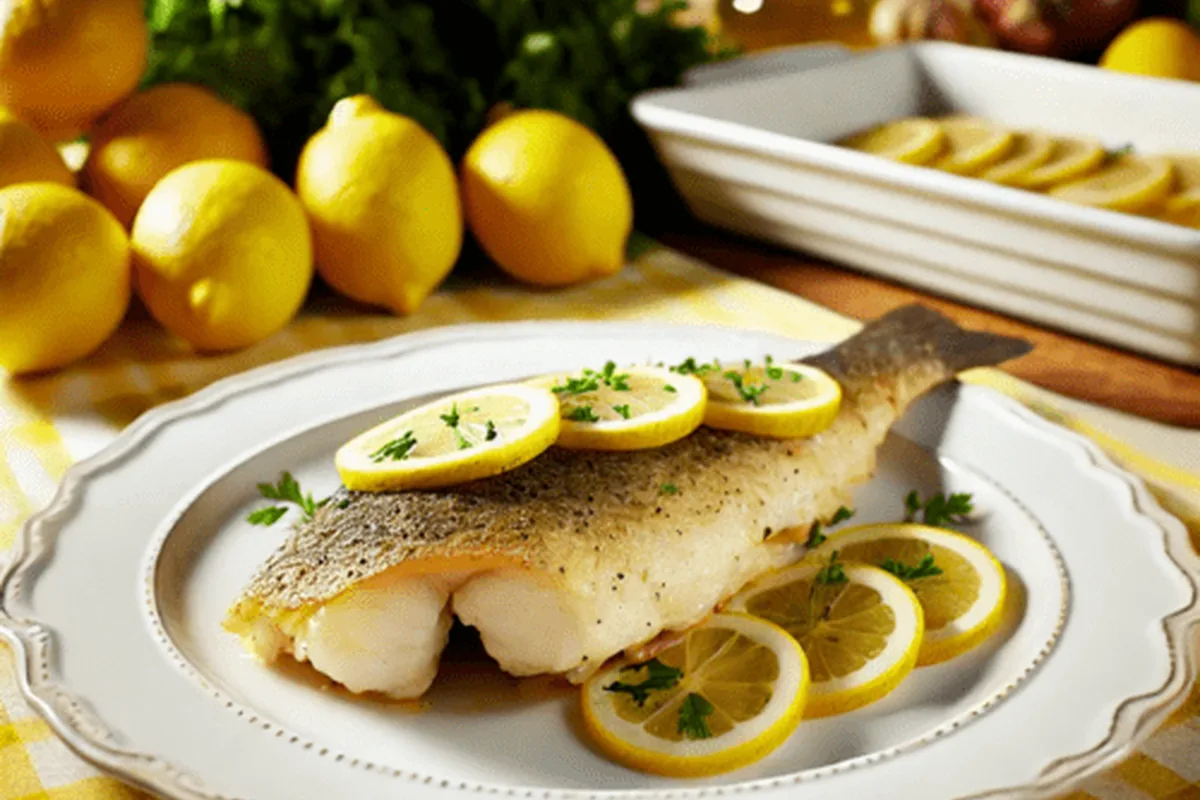
Foil packets work best when thickness, moisture, and coal placement are planned.
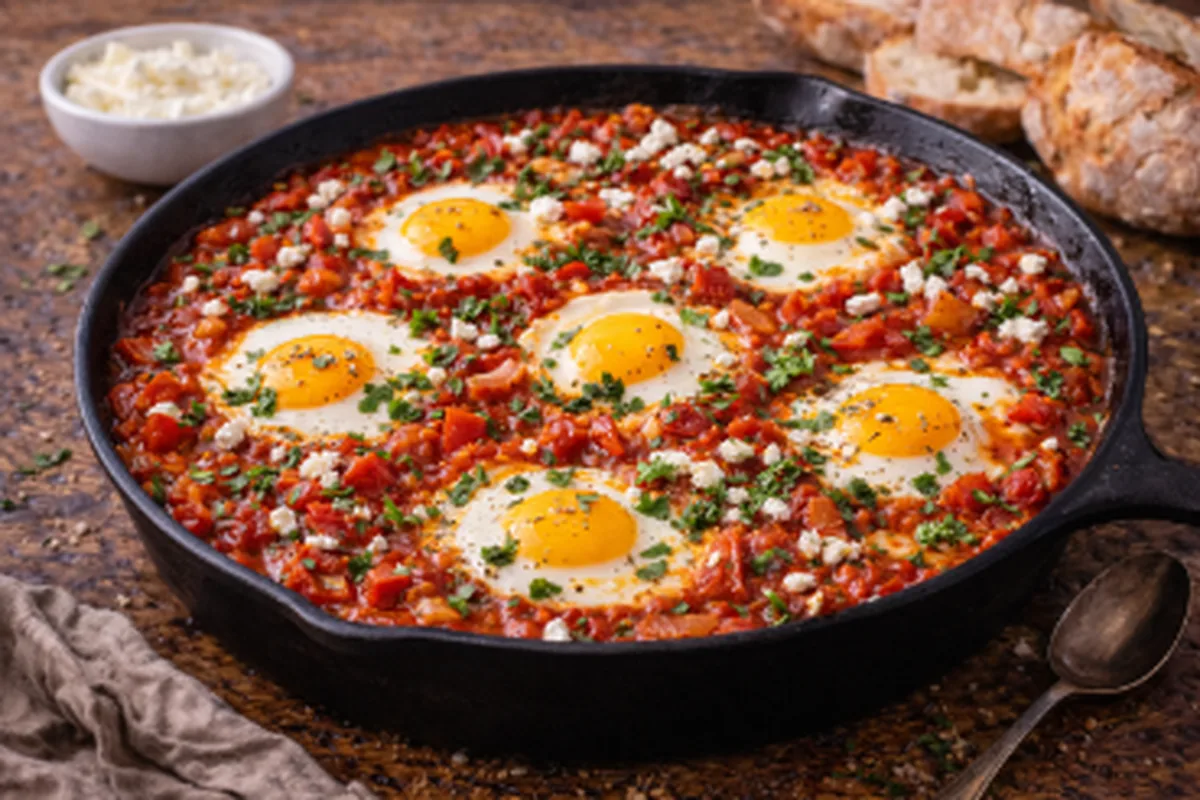
How to cook, clean, and pack a cast-iron skillet for camp meals.
Make packaged or home-dried meals taste better without carrying a pantry.
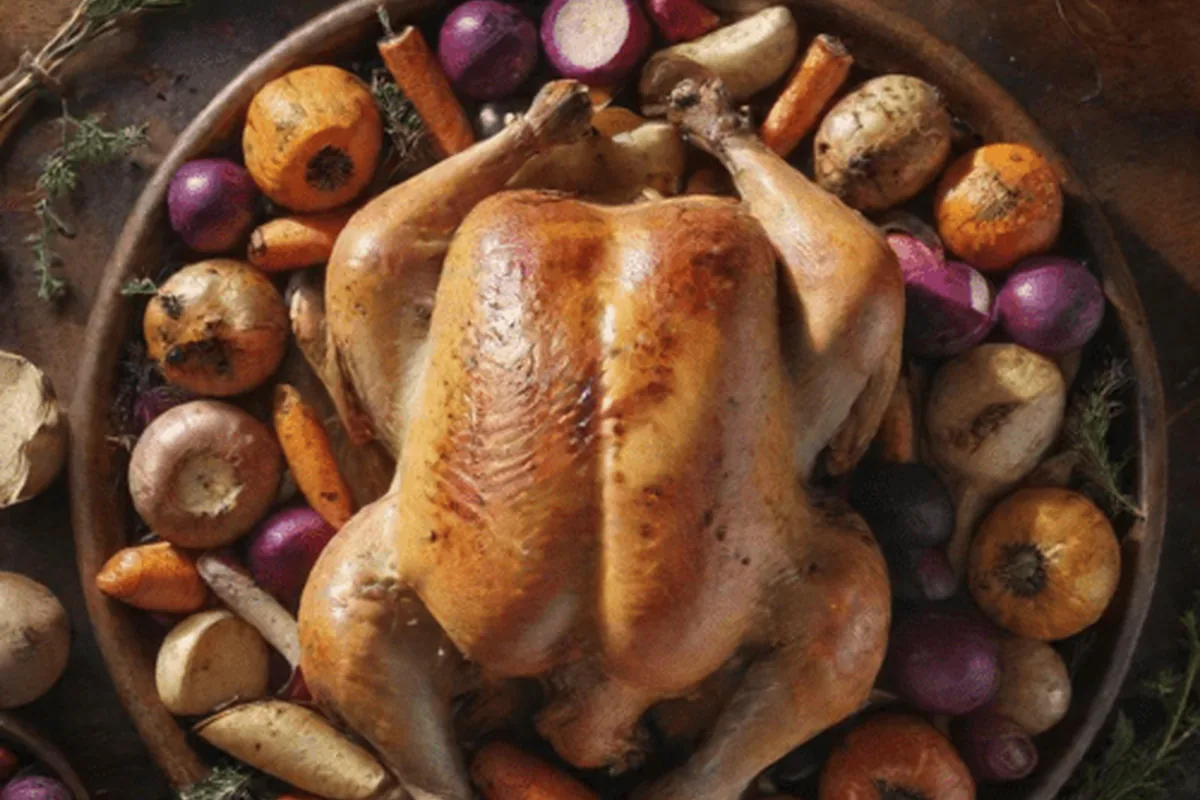
Breads, biscuits, crisps, and cakes with coals, pans, and patience.
Match the meal to the outing: primitive site, family camp, glamping, RV, paddle, or trail.
Term paths
Blue dotted glossary terms open quick definitions. These hubs collect the vocabulary that helps readers find the right department faster.
Interoperable guide system
Use the previous/next links for this department, then jump sideways into the related Maryland Wilderness departments that help explain the same outing, animal, place, or season.