
Habitat guide
Wetlands
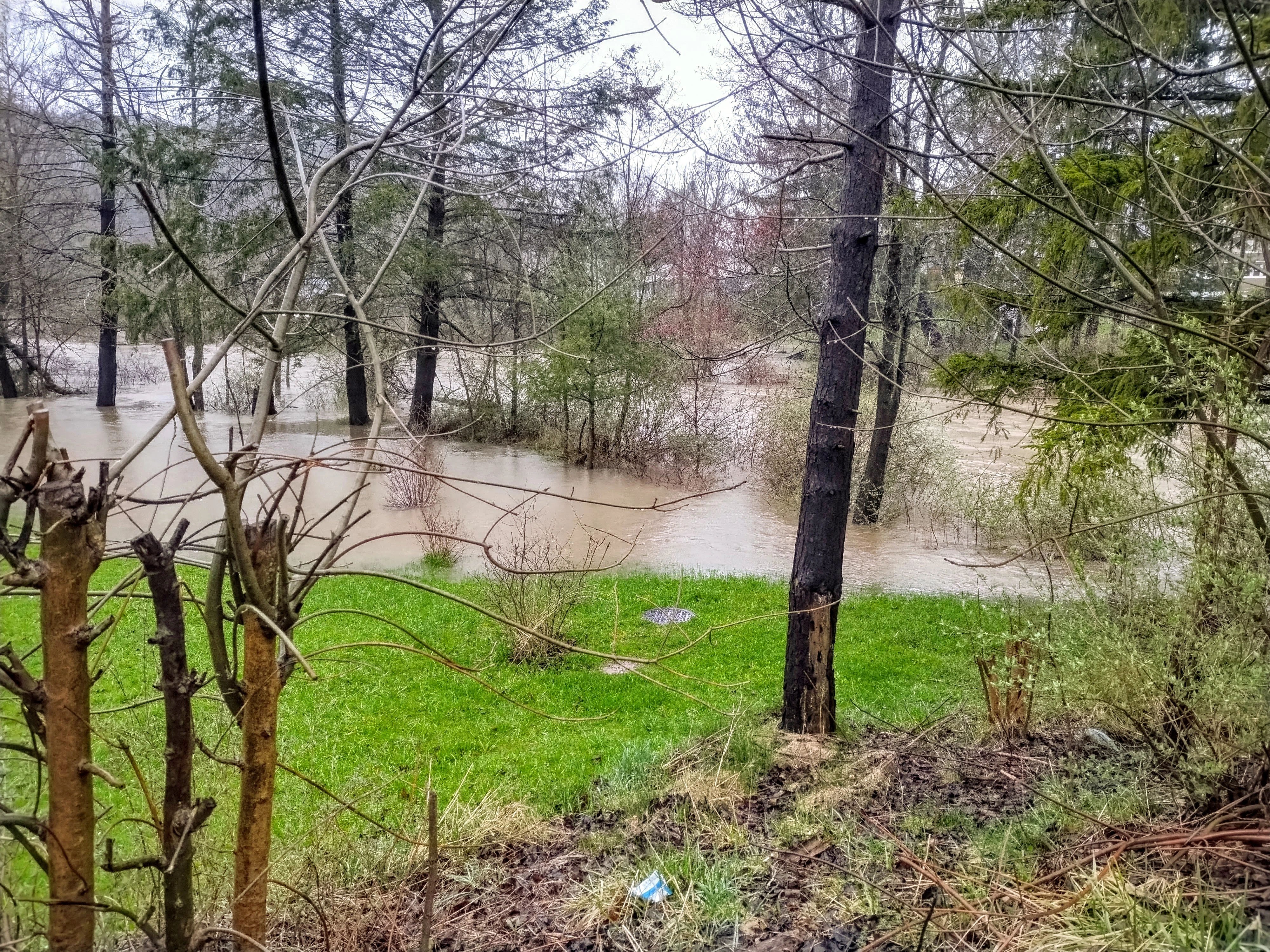
Wetlands in western Maryland are not only large marshes. They can be beaver ponds, quiet coves, wet meadows, spring seeps, flooded swales, and slow edges where water lingers long enough to change the whole community around it.
Reviewed by
Reviewed by Michael Deem
Michael Deem is the editorial lead for Maryland Wilderness. His background includes a decade of wildlife damage control experience, private-applicator work beginning in 2007, and practical entomology knowledge that informs pages about attractants, insects, edges, structures, and seasonal wildlife use.
Pages are reviewed for Maryland specificity, field usefulness, outing realism, and practical wildlife prevention value.
Maryland Wilderness blends field interpretation, outing planning, and public-information prevention guidance. Confirm regulations, closures, permits, and case-specific wildlife-control decisions with the relevant authority, land manager, or licensed professional before acting.
What to notice
Listen for frogs first. Then notice standing water, saturated ground, sedges and rushes, insect activity, turtle basking spots, and the way birds use emergent vegetation or dead snags nearby.
Why wetlands matter
Even small wet places can concentrate life. They support breeding amphibians, drinking water for mammals, feeding habitat for birds, and a large seasonal pulse of insect activity that ripples into the surrounding woods and fields.
Water changes everything
A habitat that works at small scale
When they are best read
Spring is often the most dramatic season because water is high and amphibian sound carries. Summer reveals dragonflies, turtles, and lush vegetation. In drought or winter, wetlands may look quieter, but structure and tracks can still tell the story.
How to move through them
Stay on firm trail surfaces or established edges where possible. Wet ground is easy to damage, and shallow shoreline vegetation is often more sensitive than it appears.
Learn more