
Wildlife conflict prevention
Prevent wildlife problems by reading the site, the season, and the pattern early.
Many nuisance situations in Maryland begin before the reader thinks they do. Food is left easy to reach, cover stays tight against a building, water edges remain unmanaged, or a small opening at the roofline quietly becomes a regular entry route. By the time the conflict feels dramatic, the pattern has often been building for days or weeks.
This section is written to slow that process down. It helps readers identify what is likely happening, sort out what commonly causes it, choose sensible prevention-first steps, and know when the problem has crossed into a category that needs official or licensed help. The goal is public usefulness, not remote consulting.
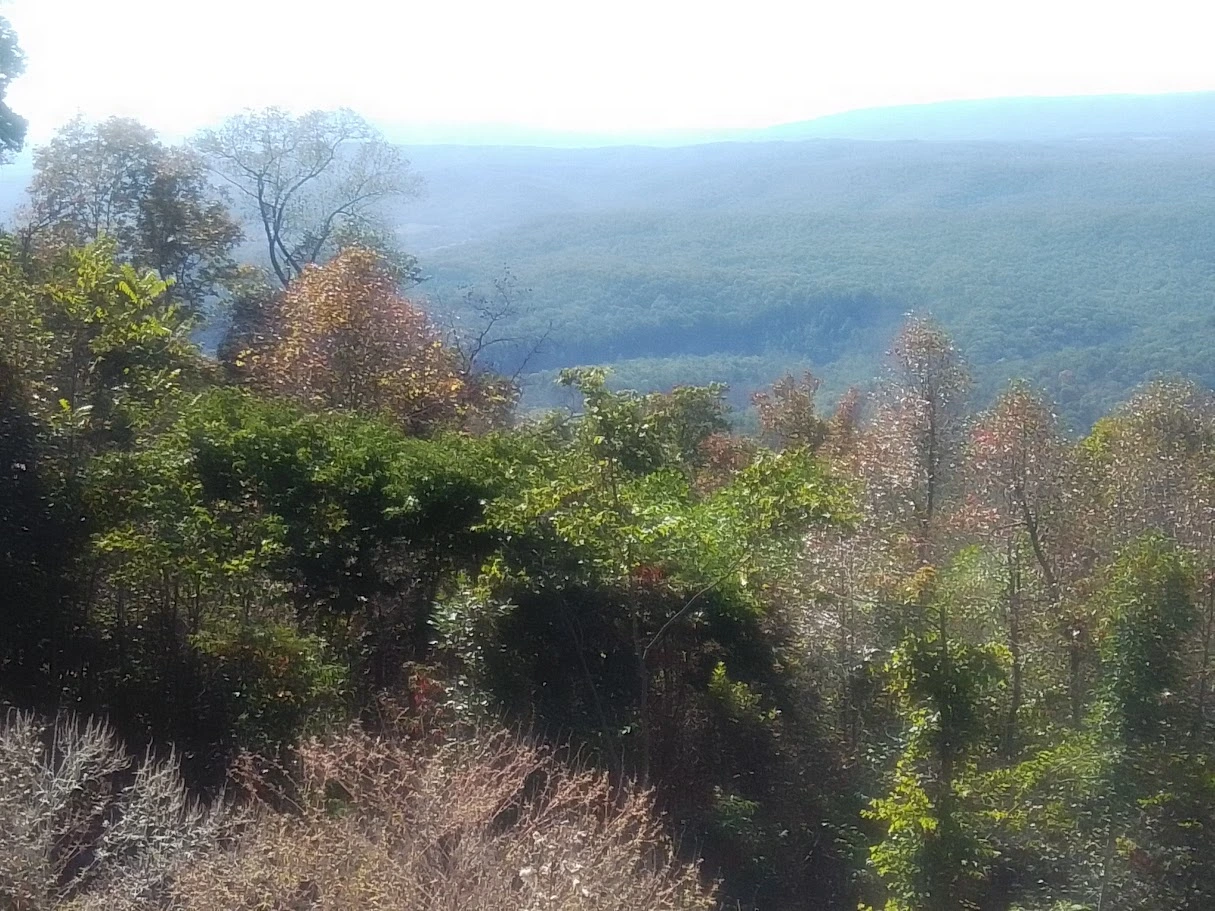
Start with the pattern, not the panic
Around buildings
Rooflines, vents, chimneys, soffits, and gaps where warmth, dryness, and quiet cover matter more than the building itself.
Under structures
Decks, sheds, crawlspaces, and low shelter where repeated ground-level use can turn into denning or nesting.
Attractants
Feed, gardens, unsecured food, pet routines, compost, and yard conditions that teach animals to return.
Shorelines and water
Ponds, culverts, marsh edges, and wet ground where movement, feeding, and structure effects all overlap.
Use the strongest situation pages first
Situation guide
Around Buildings
Use this when the problem is above the ground line: roof returns, soffits, vents, chimneys, and exterior gaps.
Situation guide
Yards, Gardens, and Feed Attractants
Use this when wildlife is repeating because the site is rewarding them, not because the animal is unusually determined.
Protected-use caution
Bats in Structures
Use this when timing, law, and safety all matter before anyone starts sealing openings.
Mountain and camp guide
Black Bears Around Camps and Homes
Use this for western camps, cabins, feeders, trash, and outdoor habits that quickly train bears to return.
Reviewed by
Reviewed by Michael Deem
Michael Deem leads review of the wildlife conflict-prevention section. His background includes a decade of wildlife damage control experience, private-applicator work beginning in 2007, and practical entomology knowledge that helps explain attractants, food sources, structure use, and seasonal escalation.
This section is reviewed for Maryland realism, prevention-first value, and clear boundaries between public guidance, agency direction, and licensed professional work.
Pages in this section are designed to help readers read the pattern early, change the site where practical, and know when a wildlife situation has moved beyond a general-information answer.