
Discovery guide
What Makes a Healthy Cold-Water Stream
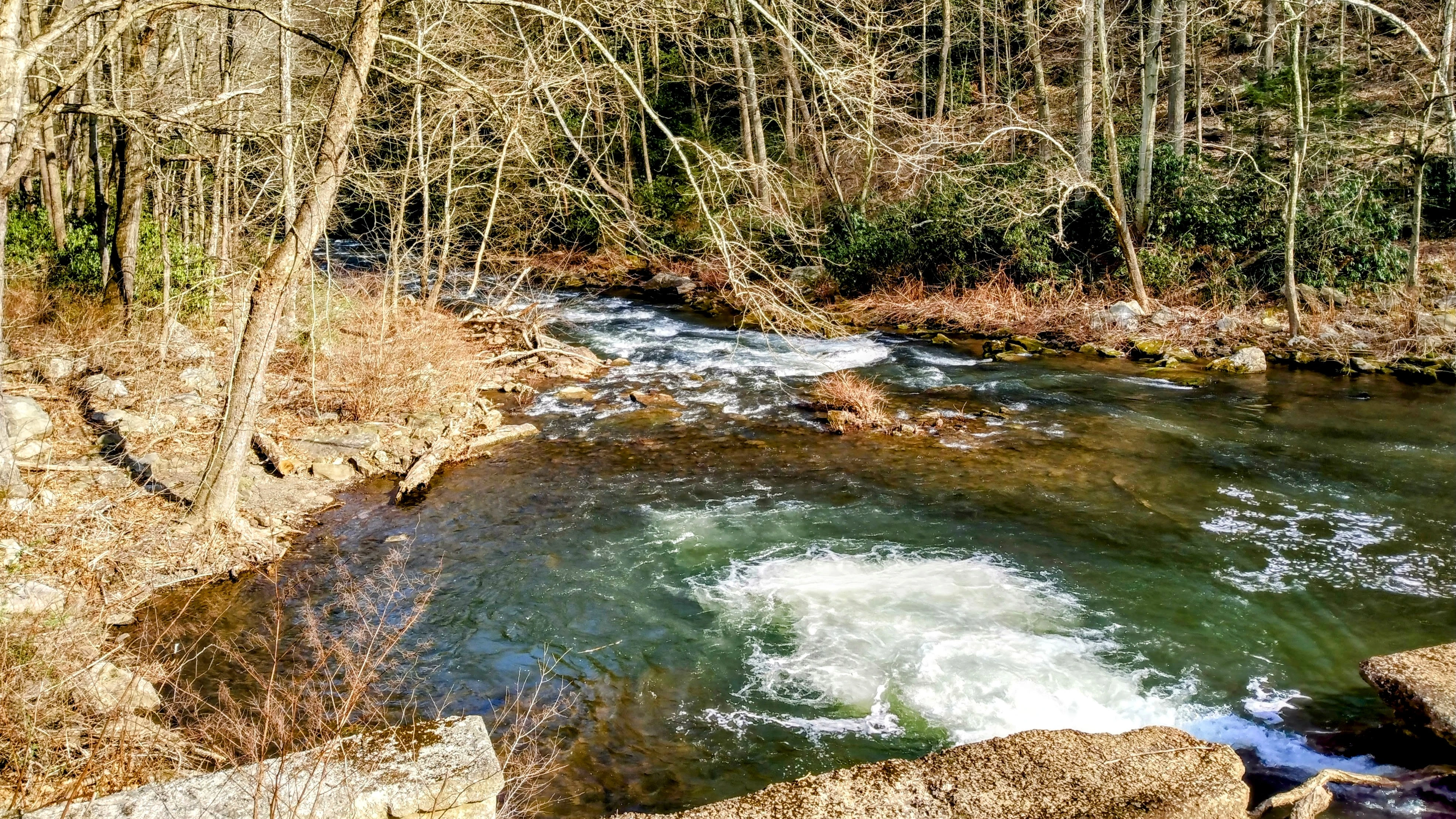
A healthy cold-water stream is more than clear water. It depends on forest shade, cool groundwater inputs, oxygenating riffles, woody cover, stable banks, and a watershed that does not send excess sediment or heat into the channel.
For Maryland readers, this matters because cold-water streams are one of the clearest examples of how the land around the channel shapes what can live inside it.
Four quick signs
Look for overhead shade, mixed riffles and pools, clean gravel or cobble, and banks held by roots rather than sliding soil. These are among the fastest visual clues that a stream still has strong cold-water character.
Why temperature matters
Cold-water species are sensitive to temperature and water quality. When a stream loses shade or gains too much warm runoff, the whole cold-water community feels it.
Read the stream corridor, not only the water
A healthy cold-water stream is a corridor system. The tree canopy matters because it limits direct summer heating. Stable banks matter because they reduce sediment. Woody debris matters because it breaks current and creates shelter. Groundwater influence matters because it steadies temperature.
That means hikers, families, photographers, and birders can all learn from the same stream. You do not need to be an angler to notice whether a watercourse still feels shaded, oxygenated, and structurally alive.
When the surrounding corridor has been opened too hard, channelized, or cut off from floodplain function, the stream usually begins to look simpler. Simpler is not the same thing as healthier.
Read the corridor
Cold-water streams are whole systems
What can weaken a stream
Heavy sediment, missing tree cover, channelized banks, warm shallow impoundment effects, and disconnected floodplain function can all reduce the resilience of cold-water habitat.
Why it matters to visitors
You do not need to be an angler to read cold-water habitat. The page is useful for hikers, photographers, and families because it teaches what to notice every time a trail meets a stream.
Learn more
Cold-water habitat pages and places
Best companion pages
When to use this page
Use it before a mountain trip, when comparing stream corridors, or when teaching a family or group what a healthy cold-water system looks like on the ground.
Reviewed by
Reviewed by Michael Deem
Michael Deem is the editorial lead for Maryland Wilderness. His background includes a decade of wildlife damage control experience, private-applicator work beginning in 2007, and practical entomology knowledge that informs pages about attractants, insects, edges, structures, and seasonal wildlife use.
Michael Deem reviews this page for Maryland stream-reading usefulness and for practical field signs that readers can apply without specialized gear.
Use Maryland Wilderness to build better observation. Fishing rules, stream-access rules, restoration restrictions, and posted land-use requirements still come from the relevant agency or land manager.