Best first move
Choose the group need first: short walking, broad views, shade, bathrooms, wildlife payoff, quiet, stroller tolerance, or low-driving day.
Guide value $97 FreeRead Maryland outdoors through field guides, outing planning, public lands, and wildlife conflict prevention.
Featured day trips
Use this page when the goal is bigger than “find a park.” It organizes day trips by the kind of day people actually ask for: Civil War landscapes, Revolutionary-era and early American history, adventure sports, shoreline history, canal corridors, mountain towns, and public-land routes that can carry a whole day.
The format is intentionally practical: pick a theme, choose one anchor, add one outdoor layer, then leave enough time for food, weather changes, official-site checks, and a backup stop.
Trip-building layer
Turn interest into a durable route: who is going, how much time they have, what conditions matter, and how to leave the place unpressured.
Choose the group need first: short walking, broad views, shade, bathrooms, wildlife payoff, quiet, stroller tolerance, or low-driving day.
Plan one main stop, one fallback stop, and one glossary or habitat concept to learn while you are there.
Do not trade a better view for avoidable disturbance. Distance, patience, and durable surfaces are part of the guide method.
Field card
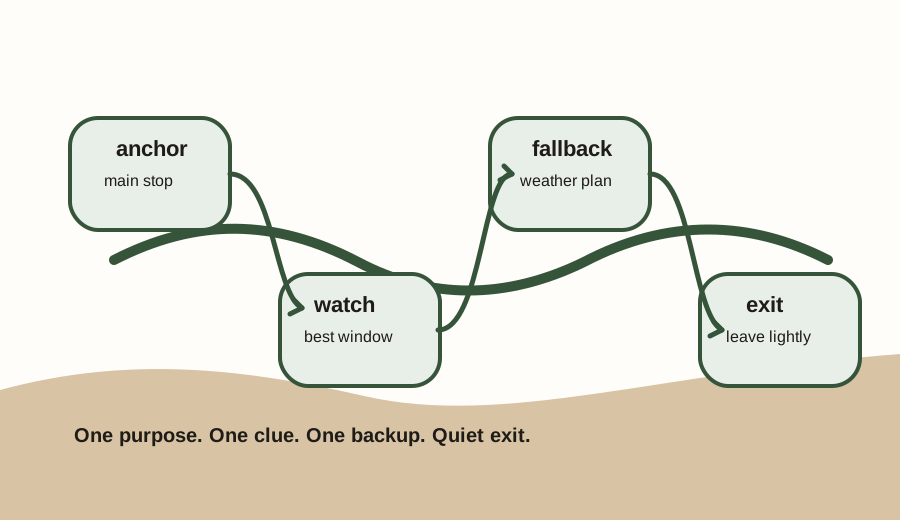
Use one anchor, one fallback, and one thing to notice closely. The best outing has a purpose before it has mileage.
Pick the main reason for the stop before adding extra miles.
Let weather, crowding, water, and daylight change the route.
Leave the place quiet enough that the next visitor can read it too.
Quick select
Use the dropdown as a fast route through the page, then open the collapsible notes only when the trip needs more detail.
History route
Civil War day trips work best when they are treated as landscape days, not only sign-and-monument days. Ridges, gaps, roads, rivers, farm fields, and canal corridors explain why a place mattered and also give the outing a stronger outdoor rhythm.
Build a western Piedmont day around battlefield context, ridge gaps, farm lanes, and a short forest or town stop.
Use a battlefield or canal anchor, then add a towpath walk, river overlook, or Frederick-area food stop.
Pair shoreline history with Bay weather, birds, water exposure, and a slower public-land loop.
Start with one official battlefield or historic anchor. Then add one landscape layer: a ridge walk, towpath section, overlook, farm-country drive, canal town, or public-land stop. The goal is not to collect every marker. The goal is to understand why terrain, water, roads, and weather shaped the day.
Battlefield days also need pacing. Use morning for the main interpretive stop, midday for food or town services, and late afternoon for a quieter outdoor add-on when light and temperature improve.
History route
Maryland’s Revolutionary-era trips are often town-and-water days rather than battlefield-only days. Annapolis, Southern Maryland, Potomac estates, state houses, forts, and colonial landscapes pair naturally with short walks, shoreline views, museum stops, and seasonal town pacing.
Use Annapolis as an early-American anchor, then add Bay weather, waterfront walking, and a nearby marsh or river stop.
Build a slower early-America route around Southern Maryland landscapes, rivers, historic homes, and shoreline timing.
Use stone fort history, canal travel, river edges, and western Maryland road pacing as one linked day.
For Revolutionary-era and colonial trips, the strongest outdoor layer is often a river, harbor, town walk, shoreline view, or short woodland stop rather than a long hike. These routes work well for mixed-interest groups because the history anchor, food stop, and outdoor stop can all be close together.
Use official site hours and access rules before travel. Many historic homes, museums, and state facilities operate on schedules that matter more than trail mileage.
Adventure route
Adventure days should start with conditions and ability level. Water level, heat, wind, trail surface, tide, crowds, and gear make the difference between a good day and a forced one.
Use western Maryland for water, slope, cooler weather, and a true adventure-sports feel when conditions and ability match.
Plan active days around trail surface, crowding, stream valleys, and a shorter backup loop.
Use wind, tide, sun exposure, and shoulder-season timing to make coast days more comfortable and less crowded.
Pairing method
The best themed day trips usually combine one story and one landscape. This keeps the day memorable without turning it into a checklist.
Sample builds
Official historic site → town food stop → short landscape walk → sunset overlook or shoreline.
Conditions check → activity anchor → backup route → post-trip food and dry gear.
Short drive → visible site → picnic or town stop → one low-pressure wildlife or water stop.
Trip pathways
A professional guide helps the reader choose by constraint: time, group, weather, habitat, rules, and backup options.
First visit
Choose short routes, clear habitat, services, and simple decision points.
Wildlife morning
Use dawn, water, edge, and seasonal movement to pick the route.
Family route
Choose loops and stops that teach quickly without overcommitting the group.
Weather backup
Use town, gateway, shorter loop, or sheltered habitat alternatives.
Term paths
Blue dotted glossary terms open quick definitions. These hubs collect the vocabulary that helps readers find the right department faster.
Interoperable guide system
Use the previous/next links for this department, then jump sideways into the related Maryland Wilderness departments that help explain the same outing, animal, place, or season.