
Wildlife profiles
Start with the species when you need identification help, then come back here to understand why the animal is using that landscape.
Guide value $97 FreeRead Maryland outdoors through field guides, outing planning, public lands, and wildlife conflict prevention.
Flora & fauna guide
Animals make more sense when the plant community is part of the observation. Oak mast explains deer and turkey use. Wetland vegetation explains frogs, herons, turtles, and water levels. Dune grasses, hemlock ravines, meadow flowers, and streamside shade all change what wildlife is likely to do.
Use this page as a field bridge between wildlife profiles, habitats, seasons, public lands, regions, and planning guides. It is designed to move readers from a species name toward a fuller landscape understanding.
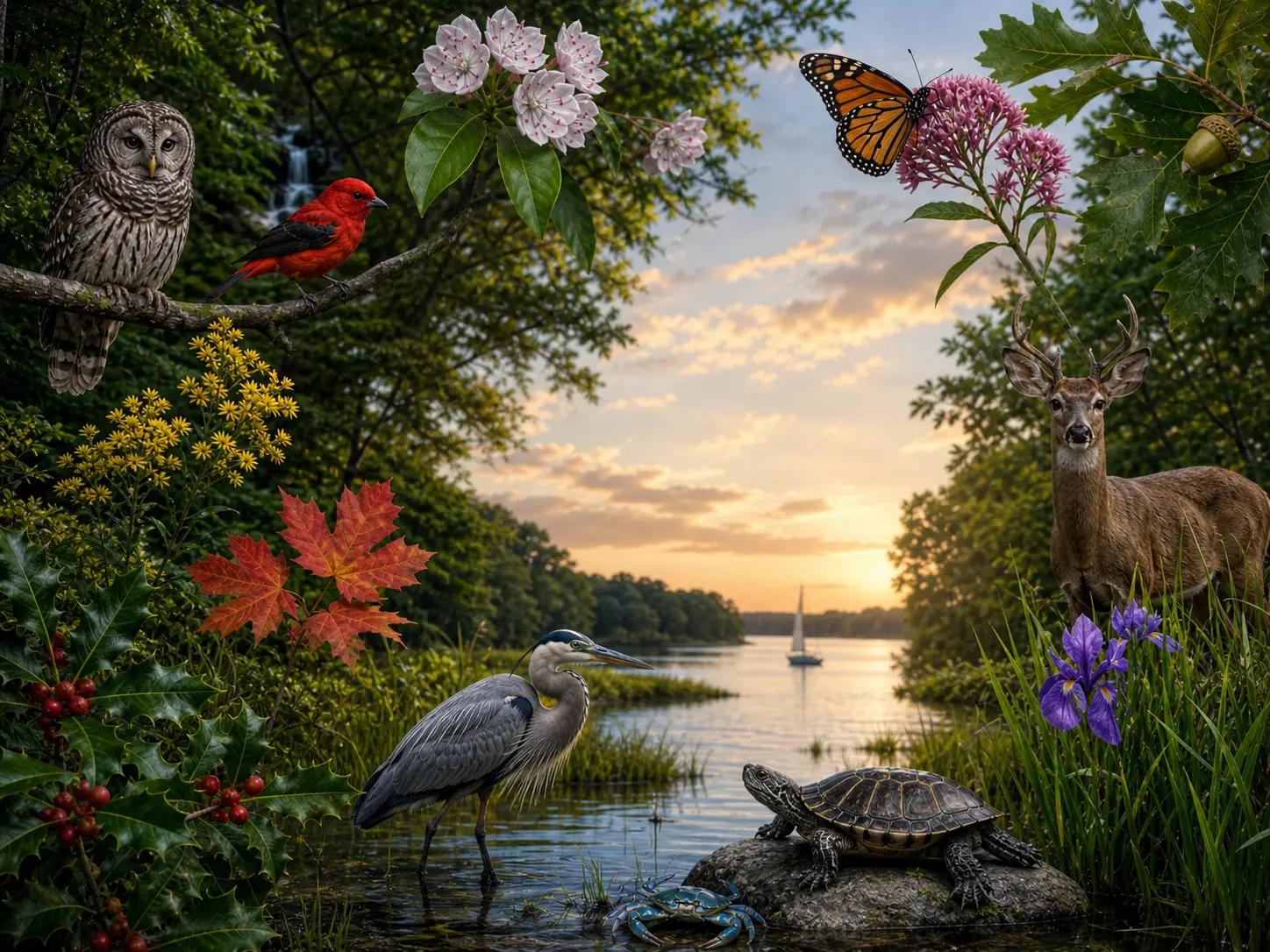
Species profiles
These profiles are written as field-reading pages. Each one connects a Maryland-relevant plant to wildlife, habitat, season, and the next department a reader should open.
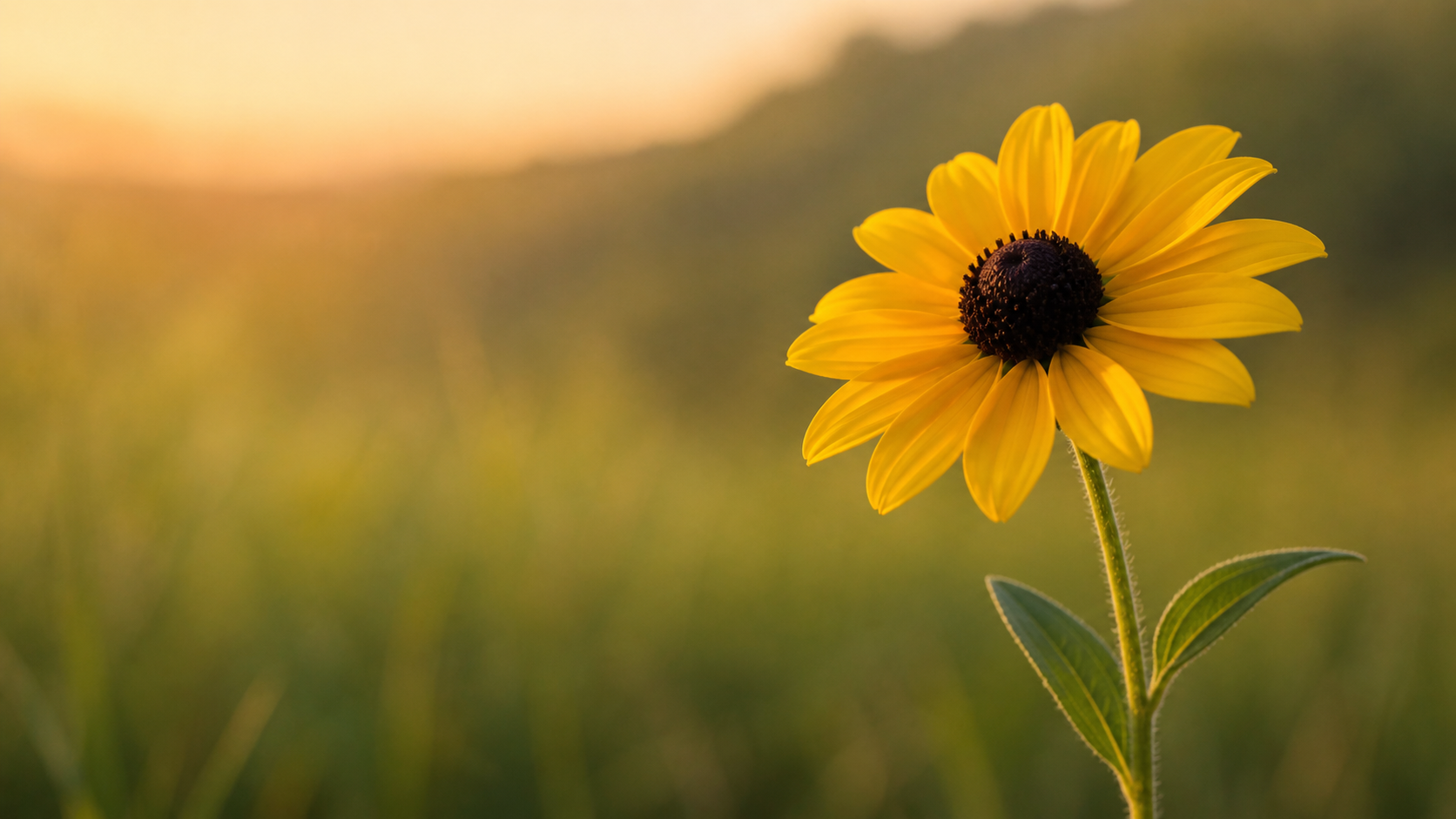
Wildflower
Maryland’s state flower gives readers an easy bridge between official state identity, pollinator structure, open-field habitat, and seasonal wildflower timing.
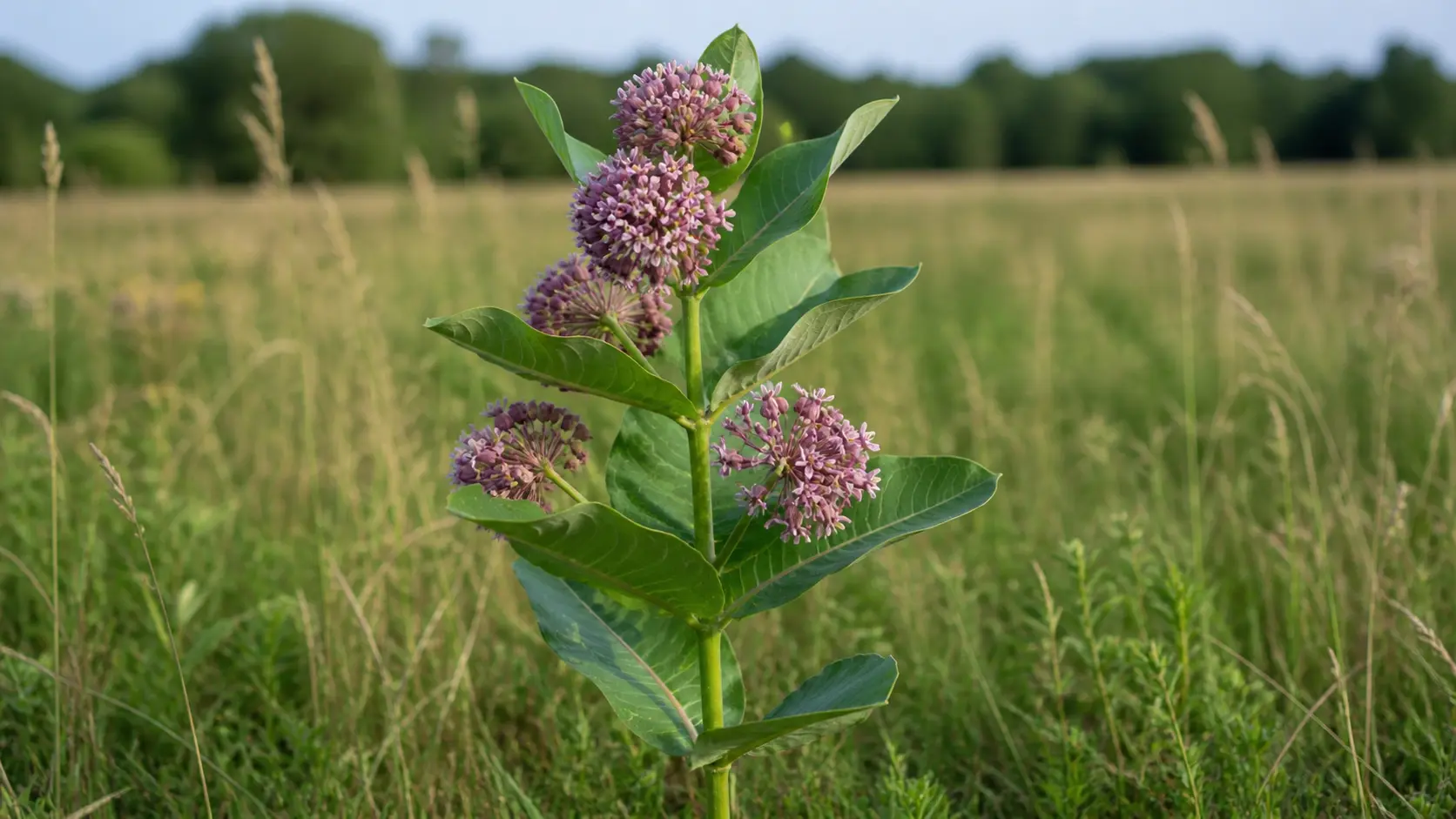
Native milkweed
Common milkweed is one of the clearest examples of why plant identity matters to wildlife reading. It turns a meadow from generic flowers into host-plant, nectar, insect, and migration context.
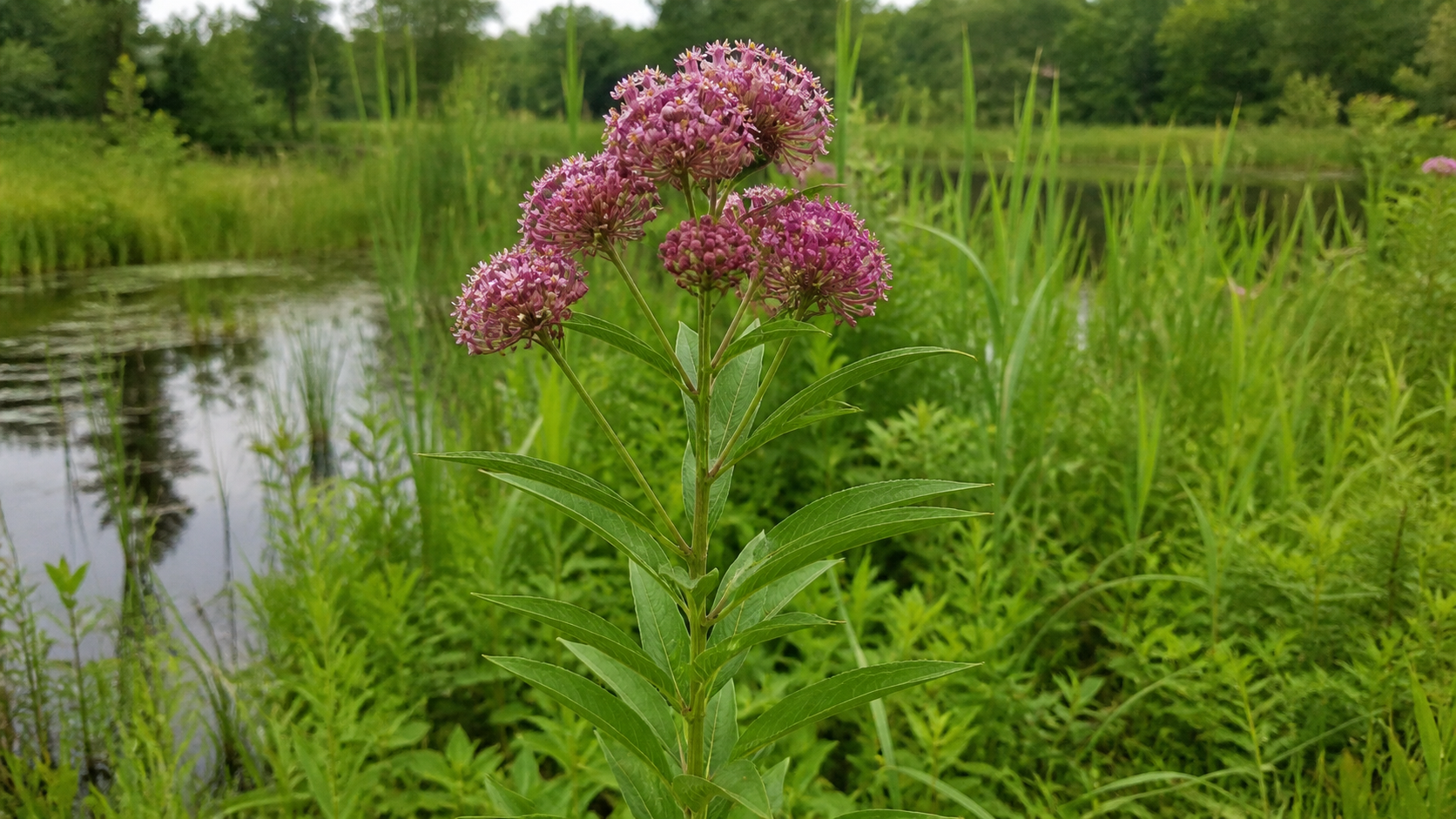
Wetland wildflower
Swamp milkweed helps readers separate dry meadow logic from wetland-edge logic. It links plants, pollinators, water level, and marsh-edge wildlife into one readable pattern.
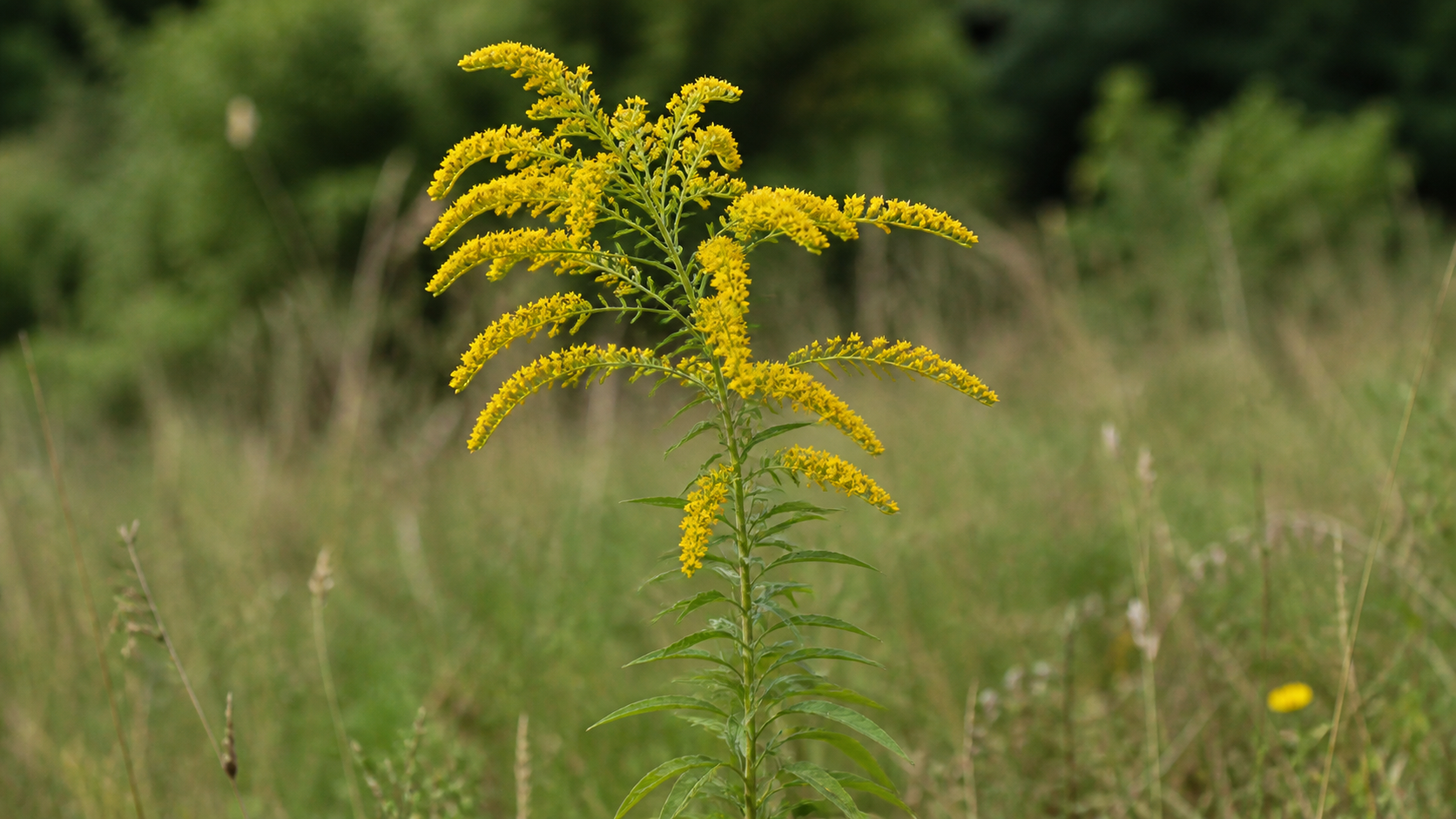
Late-season wildflower
Goldenrod is a useful autumn plant because it makes late-season insect life visible. That connects flowers to pollinators, meadow birds, spider webs, seeds, and field-edge movement.
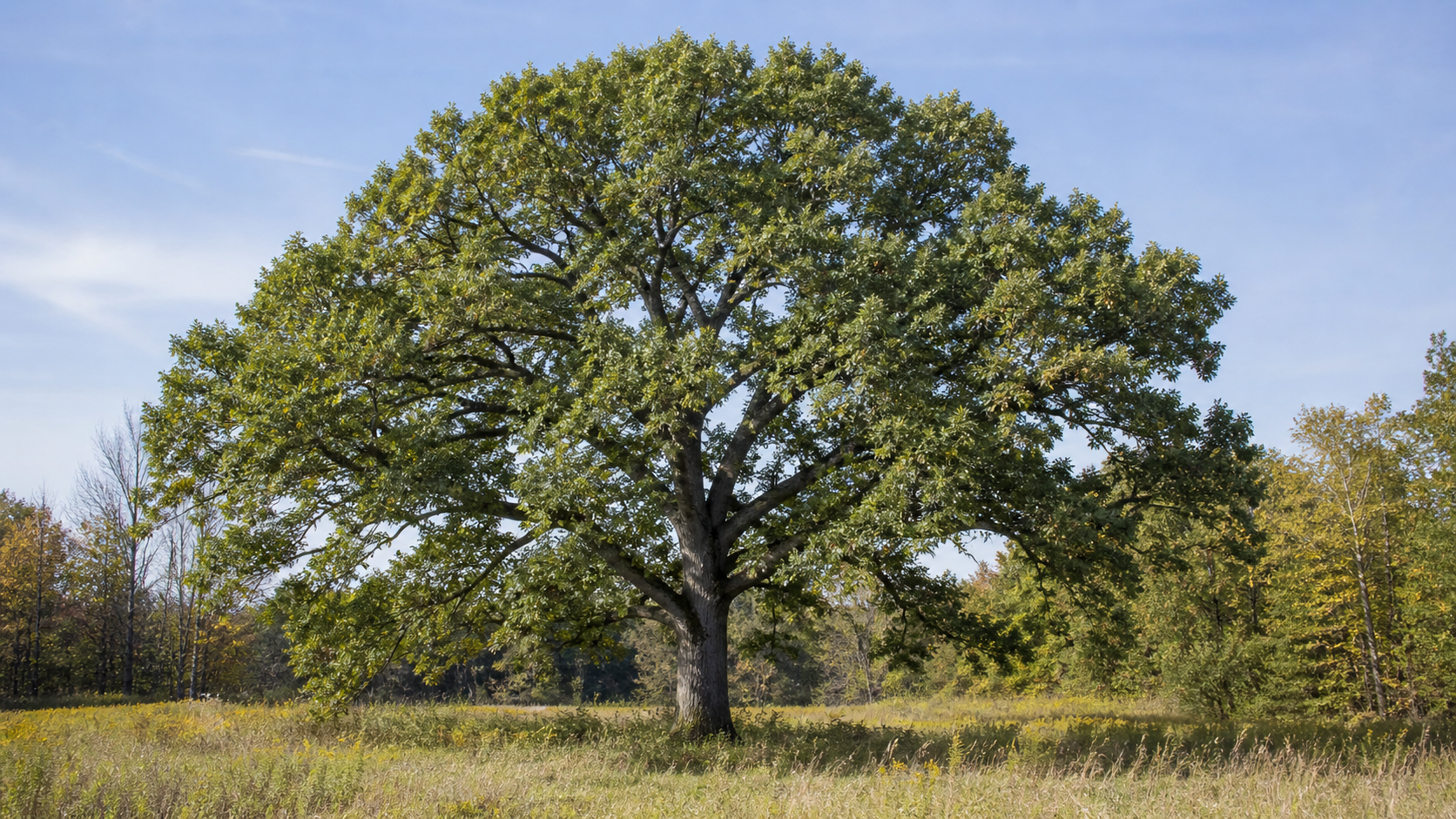
Mast tree
White oak gives the flora and fauna system a mast-tree anchor. Acorns, canopy, cavities, leaf litter, and age structure all help explain forest wildlife patterns.
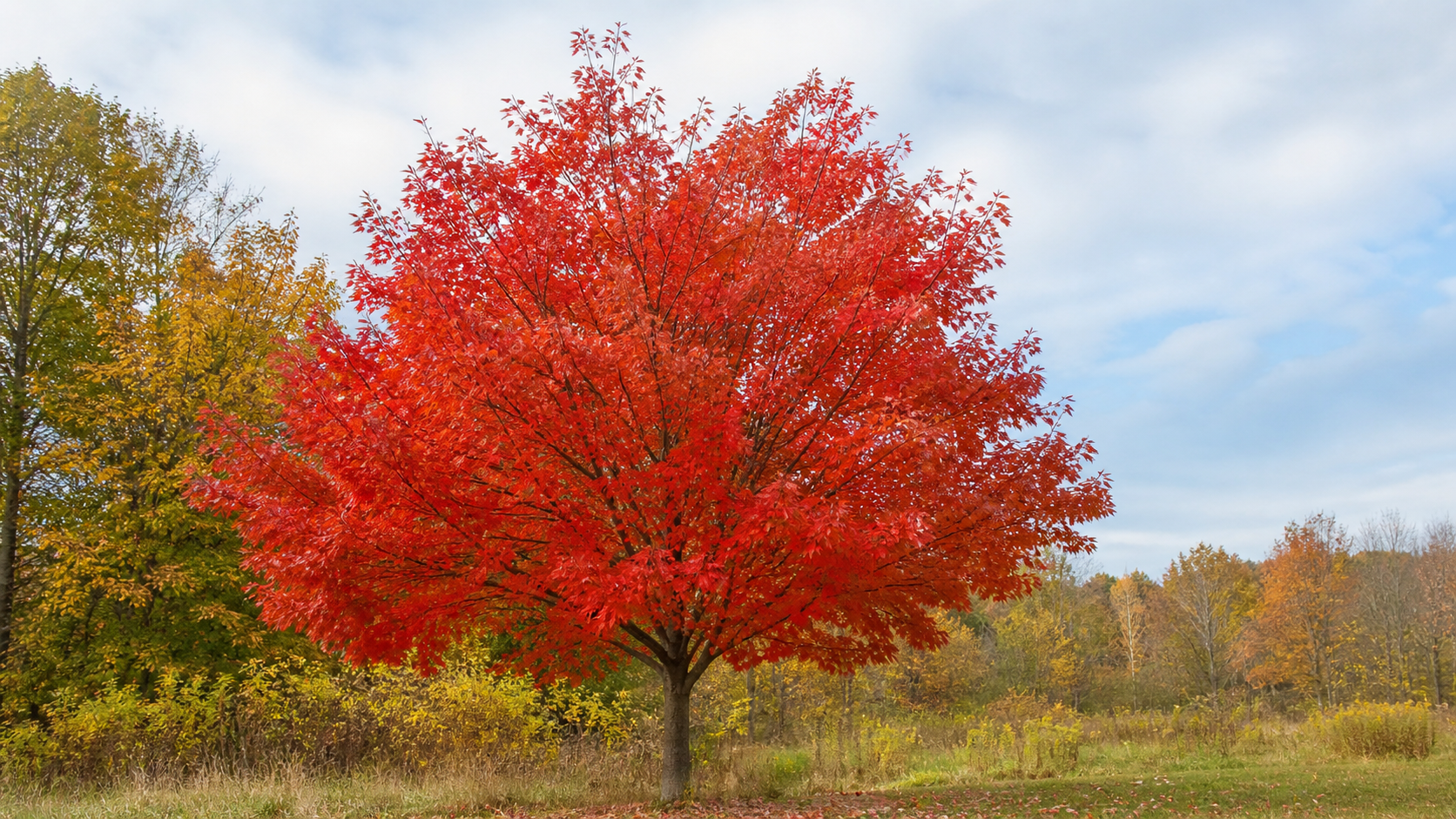
Forest and wetland tree
Red maple is useful because it crosses boundaries. It can help readers move from forest to wetland, from season to habitat, and from color to ecological context.
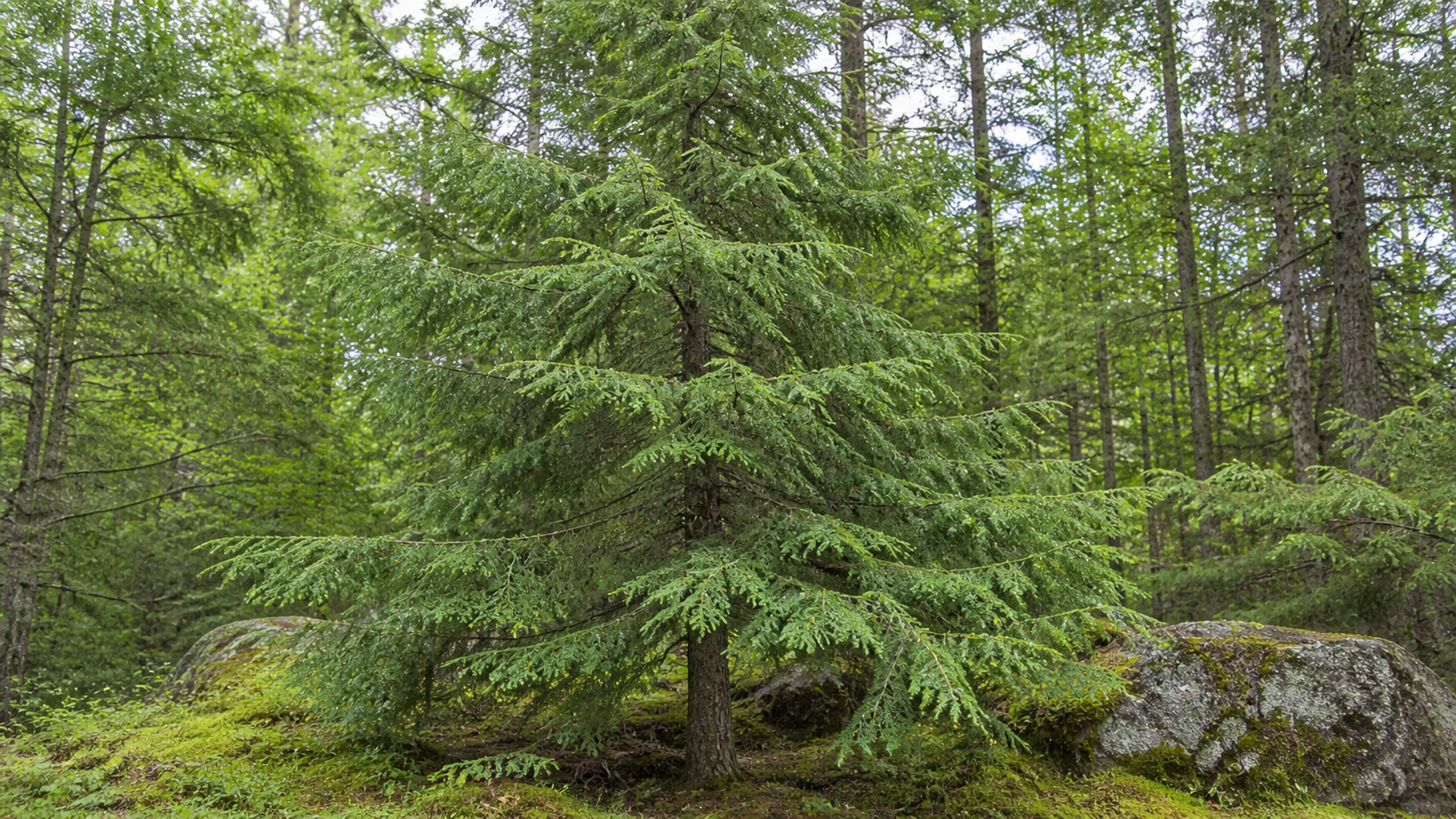
Evergreen ravine tree
Eastern hemlock is a western and upland context plant for cooler ravines, shaded water, and microclimate. It belongs in a flora and fauna guide because shade changes stream life and forest feel.
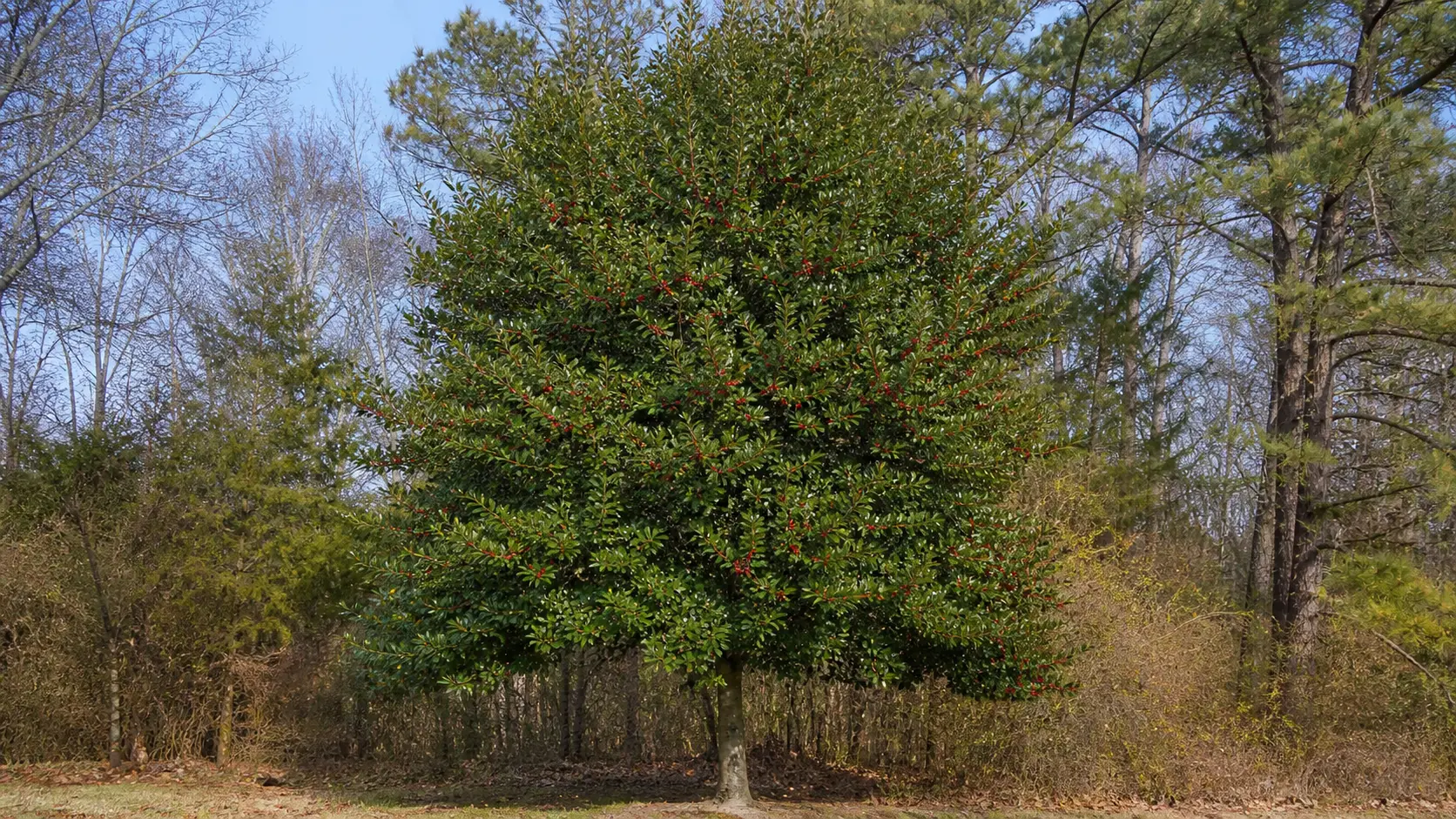
Evergreen understory tree
American holly helps readers notice winter cover, berries, evergreen structure, and coastal-to-Piedmont forest texture.
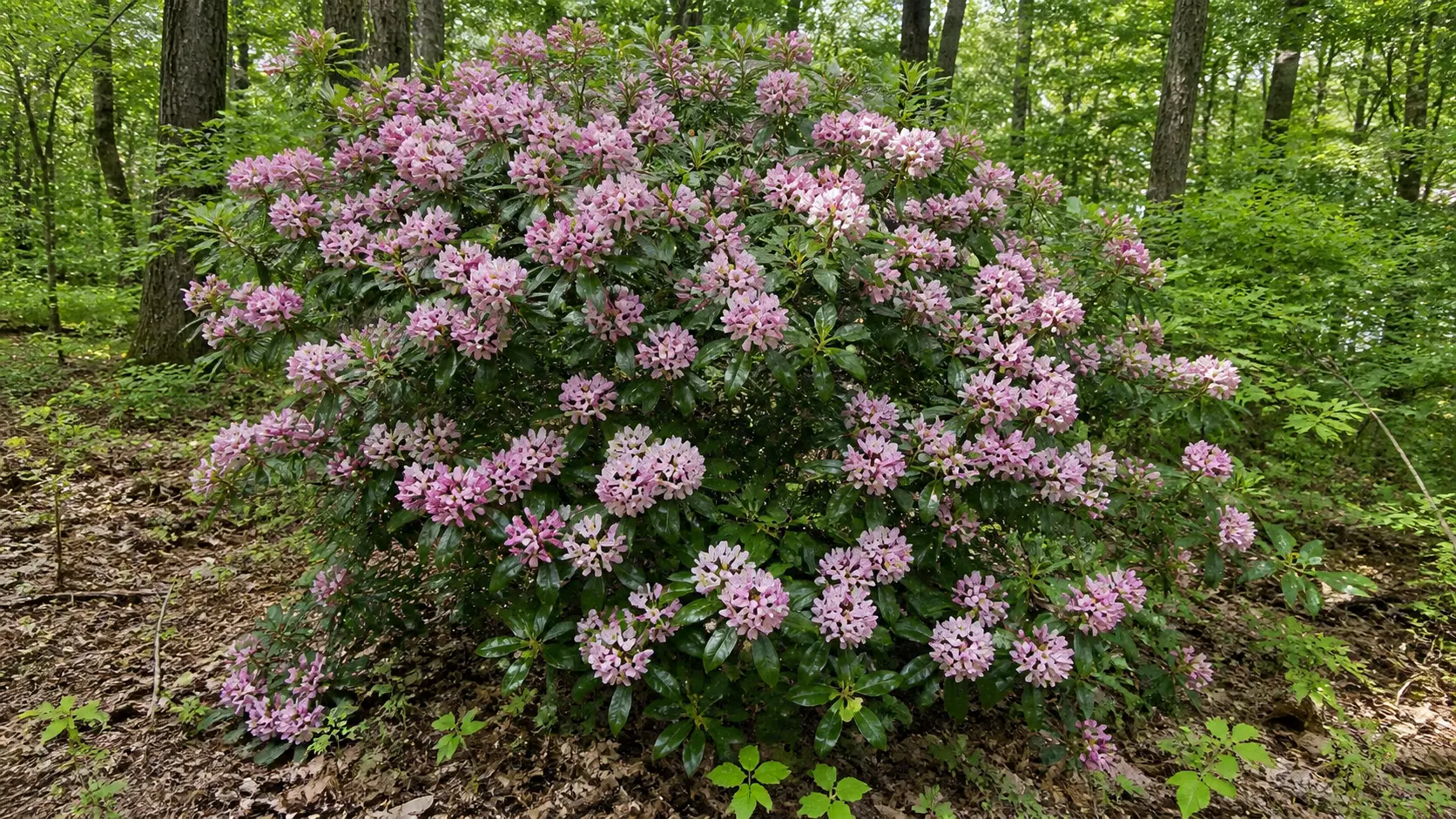
Evergreen shrub
Mountain laurel gives western and upland pages a shrub-layer anchor. It helps explain cover, dense understory, ridge feel, and why some woods look closed even without leaves.
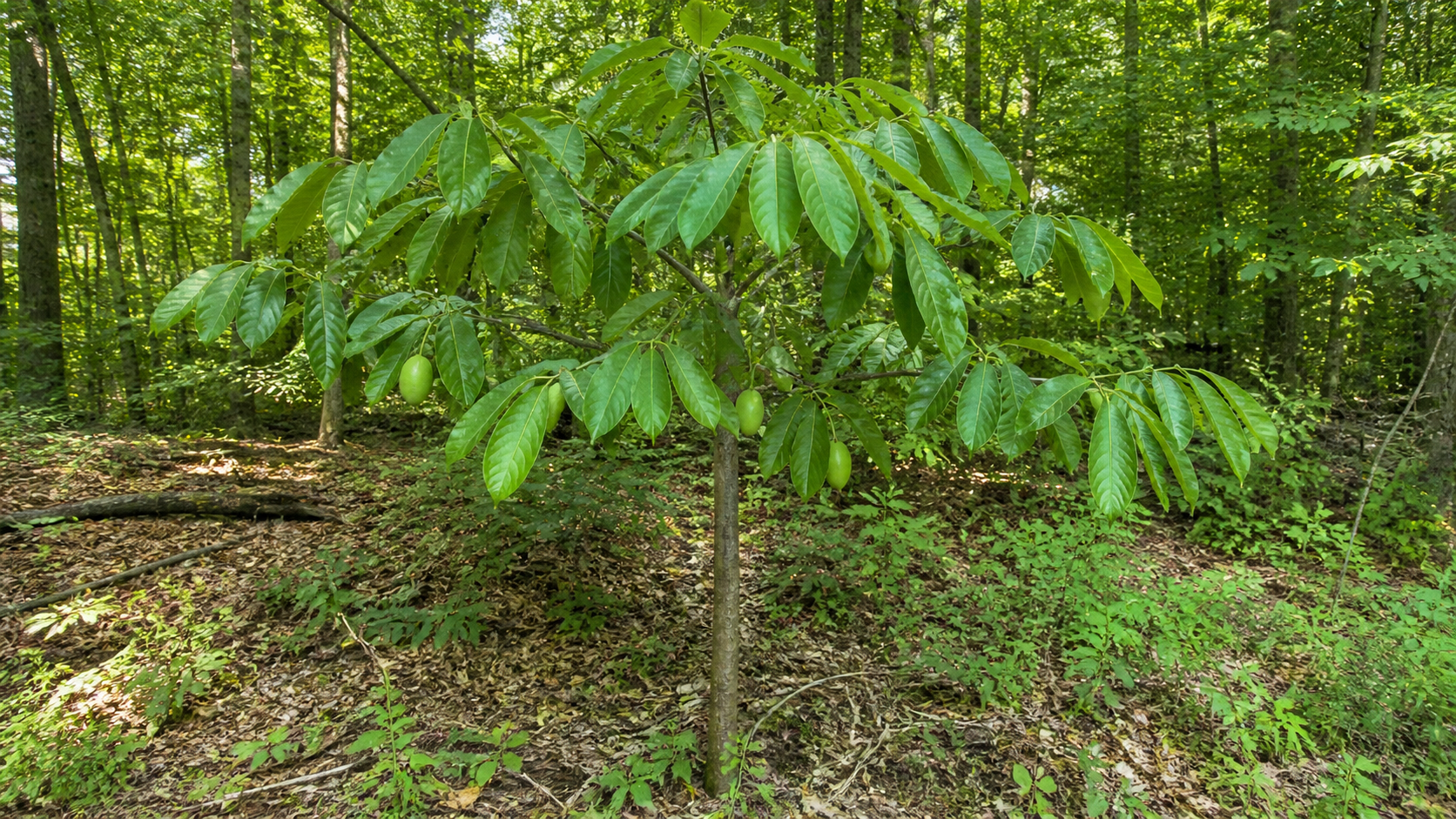
Streamside understory tree
Pawpaw helps readers notice rich bottomland forest rather than treating every wooded stream edge the same. It connects moist soil, understory texture, fruit, insects, and river-corridor habitat.
How this guide interconnects
Start with the species when you need identification help, then come back here to understand why the animal is using that landscape.
Habitats explain the structural pattern behind the observation: wetland, mountain forest, meadow edge, stream corridor, or coast.
Flowering, mast, migration, breeding, water levels, and leaf drop are timing questions as much as they are species questions.
After you understand the pattern, pick a real Maryland place where that flora and fauna combination is likely to make sense.
Field foundation
Mast, berries, seeds, nectar, aquatic vegetation, leaves, roots, and insects supported by native plants shape where animals feed.
Shrub layers, standing deadwood, marsh vegetation, leaf litter, grasslands, and forest edges determine where animals hide, nest, den, and rest.
Flowering, leaf-out, fruiting, seed fall, dormancy, migration, breeding, and winter cover turn every species page into a seasonal page.
Sensitive systems
Care first
Maryland includes sensitive mountain wetlands, nesting areas, amphibian breeding pools, shorebird habitat, and other rare communities. A public guide should help readers understand them without turning fragile sites into destination checklists.

Protected reading
Use ethical observation, agency guidance, and low-disturbance behavior when a place seems sensitive or a species may be rare.
Flora pages are not decoration. Mast, flowers, browse, cover, shade, wetland plants, meadow structure, and seed timing help explain where animals feed, hide, move, nest, and become easier to observe without disturbance.
Use plants as habitat clues, then connect them back to wildlife, seasons, and places.
Plant and habitat cues
Flora pages become elite when they help readers infer soil moisture, edge disturbance, mast cycles, pollinator windows, shade, and habitat condition.
Best use
Use plant pages to understand why a wildlife page or habitat page works where it does.
Elite move
Flowers, fruit, mast, leaf-out, and seed heads change wildlife activity and field visibility.
Common mistake
The plant community often explains food, cover, moisture, and disturbance before the animal appears.
Next step
Those combinations make flora useful for trip planning.
Habitat pathways
Habitat pages become useful when they lead to a species, a place, a season, and a specific field method.
Species
Browse wildlife through the places and features they actually use.
Place
Choose a public land that makes the habitat visible and accessible.
Season
Use leaf-off, high water, bloom, mast, or sound windows.
Method
Learn reservoirs, rivers, ravines, older woods, wetlands, and stream bottoms.
Term paths
Blue dotted glossary terms open quick definitions. These hubs collect the vocabulary that helps readers find the right department faster.
Interoperable guide system
Use the previous/next links for this department, then jump sideways into the related Maryland Wilderness departments that help explain the same outing, animal, place, or season.