Regional guide
Western Mountains
Maryland’s western mountains hold the highest elevations in the state and the strongest contrast between seasons. The region is shaped by ridges, cool hollows, headwater streams, lake country, larger public forests, and long views that make weather easier to read before you even leave the trailhead.
This is where mountain forest, brook trout water, bear habitat, winter weather, and interior-woods birdlife come together most clearly. It is also the part of Maryland where a small change in elevation or slope exposure can change what the day feels like on the ground.
Reviewed by
Reviewed by Michael Deem
Michael Deem is the editorial lead for Maryland Wilderness. His background includes a decade of wildlife damage control experience, private-applicator work beginning in 2007, and practical entomology knowledge that informs pages about attractants, insects, edges, structures, and seasonal wildlife use.
Pages are reviewed for Maryland specificity, field usefulness, outing realism, and practical wildlife prevention value.
Maryland Wilderness blends field interpretation, outing planning, and public-information prevention guidance. Confirm regulations, closures, permits, and case-specific wildlife-control decisions with the relevant authority, land manager, or licensed professional before acting.
Landscape character
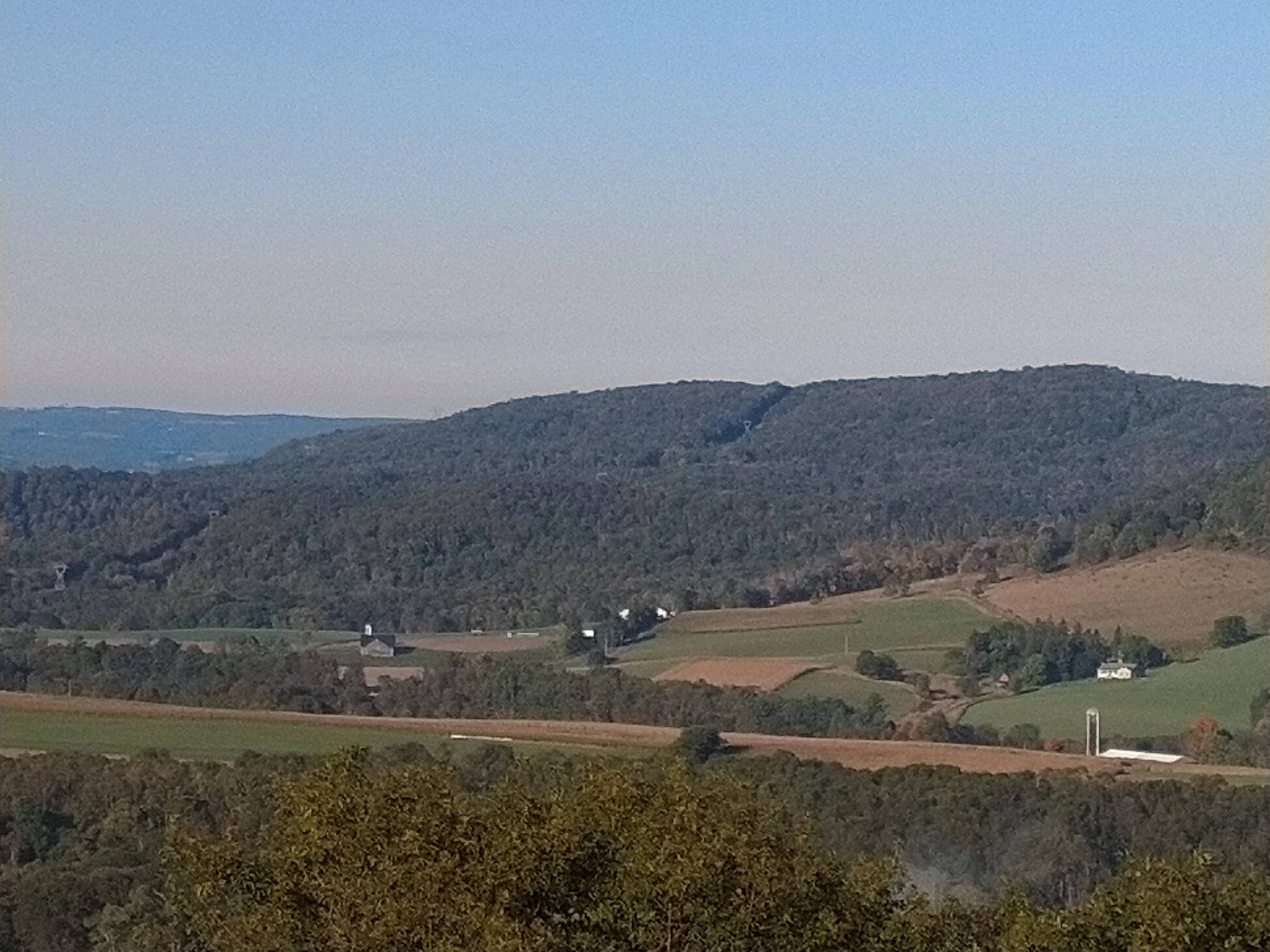
Expect high ridges, long forested slopes, narrow valleys, wetlands tucked into cooler basins, and cold streams that remain shaded well into summer. The mountains are not one single setting, but a network of forest, water, overlooks, roads, trails, and small settlements tied together by topography.
Best-fit habitat pages
Start with Mountain Forest and Streams & Rivers, then add Wetlands where ponds, seeps, or beaver activity complicate the picture. Those three habitats explain most western mountain outings better than a simple park name alone.
Use the western layer
Pick a subregion that fits the day
Garrett County
Broad county-scale reading for high-elevation forest, lake country, and winter weather.
Allegany County
Ridge-and-valley country, Green Ridge, Rocky Gap, and the Potomac corridor.
Deep Creek
A lake-centered trip planner with shoreline habitat and easy recreation access.
Savage River
A quieter option for cold-water streams, remote roads, and deeper forest atmosphere.
Wildlife and season patterns
Black bear, barred owl, brook trout, salamanders, and a strong autumn mast cycle all make sense here. Winter is longer, spring arrives unevenly, and summer often rewards water, shade, and early or late light more than midday exposure.