Named gateway
Baltimore Reservoir & Patapsco Gateway
Central Maryland needs place pages because many readers use the landscape in short, repeatable windows rather than destination weekends. The reservoir belt and Patapsco corridor are the clearest example. They are close enough for repetition, varied enough to teach, and substantial enough that the reader can keep returning under different seasons and weather conditions.
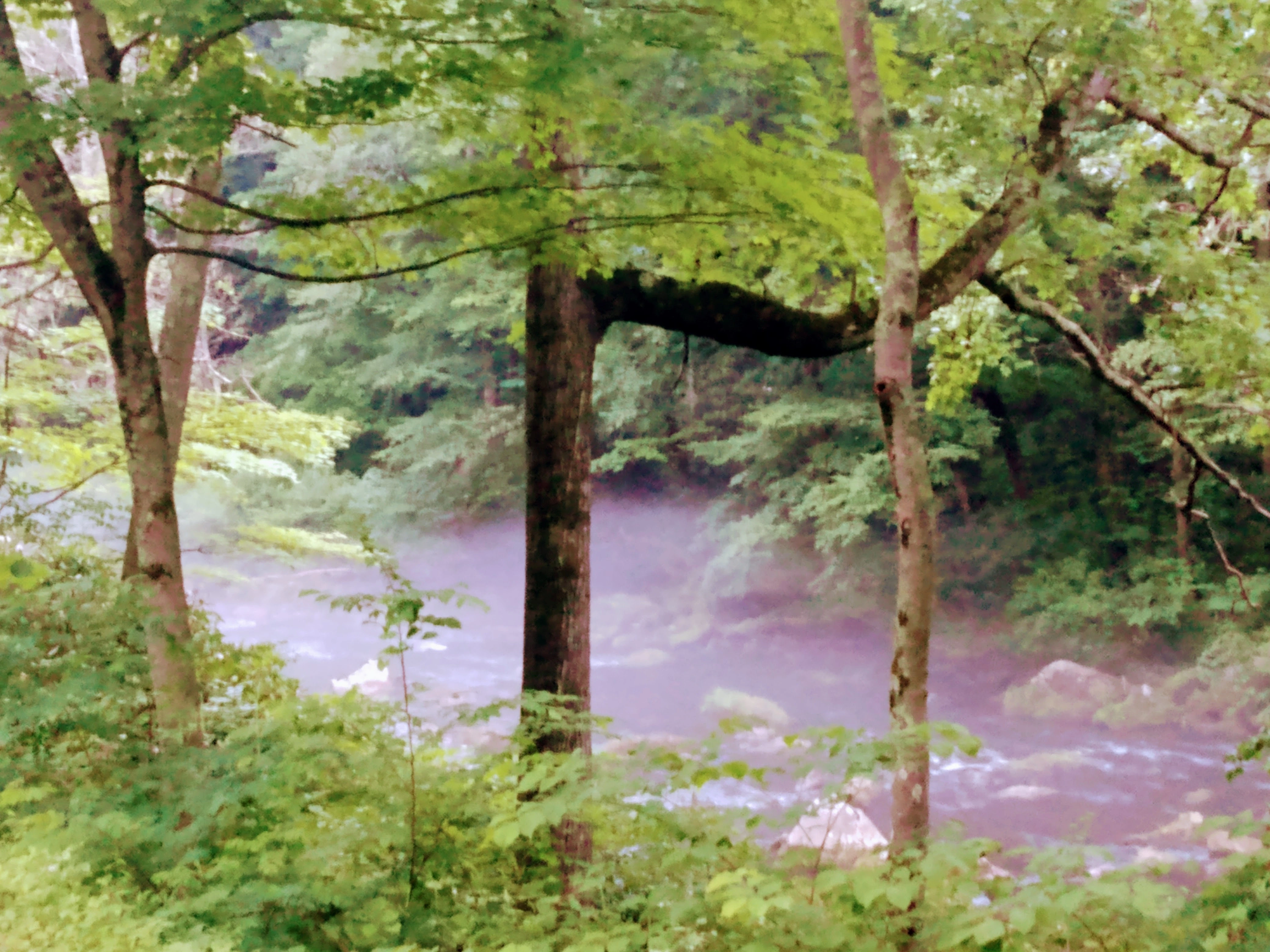
This is not dramatic Maryland in the postcard sense. It is practical Maryland: wooded valleys, water edges, river corridors, old grades, suburban access points, and the kind of public-land network that can turn a half-day into a real field habit.
Why this gateway works
A professional place page should do more than tell readers that a destination is popular. It should explain why the place is structurally useful. In this case, the value comes from the way the gateway combines practical services, strong landscape cues, and a visitor rhythm that can support both beginners and repeat readers.
This is why gateway towns and corridors deserve their own layer on the site. They shape whether a reader actually gets to use the habitats, seasons, and species pages in practice. The right gateway reduces friction and increases the number of meaningful things a reader notices.
Best uses
- repeat local outings
- family walks near population centers
- stream and riparian learning
- all-season practice close to home
- photographers and walkers who value repeat access
Key visitor points of interest
The points below matter because they create durable anchors for attention. They are not just attractions. They are the kinds of places that make weather, water, forest cover, horizon, slope, edge, or visitor pacing easier to understand.
- Patapsco Valley access areas
- reservoir edges and watershed views
- wooded stream crossings and valley approaches
- near-city trail systems that still teach habitat clearly
- quiet short-loop walks for repeat observation
The most effective use of these points of interest is to choose two or three rather than trying to touch everything. A town stop, one public-land anchor, and one scenic pause will often teach more than a packed itinerary.
Season and timing notes
Because this gateway is so repeatable, it works in every season. Spring reveals water movement and fresh edge growth. Summer favors shade and stream corridors. Autumn improves canopy reading and leaf color. Winter is excellent for sightlines and track awareness.
Timing changes meaning. The same gateway can feel educationally rich in one season and merely busy in another if the day is not shaped to match conditions.
Landscape reading notes
The real strength here is repetition. Readers can return often enough to notice how weather, leaf cover, water height, and bird activity shift. That makes this one of the best gateways on the site for building actual field skill instead of consuming one-off destination novelty.
Gateway pages are here to help readers identify where to slow down, what kinds of clues the landscape will offer, and how to connect those clues back to the broader reference system.