
Destination guide
Assateague National Seashore
Assateague is Maryland’s clearest barrier-island classroom. Dune, beach, swale, bay-side marsh, wind, tide, migration, and open exposure all read plainly here, which is why the island can teach so much in a single visit.
The strongest Assateague days stay focused. Pick one main rhythm for the trip: a beach-and-dune walk, a marsh-side bird morning, a family coastal day, or a slower weather-reading visit built around light, tide, and distance.
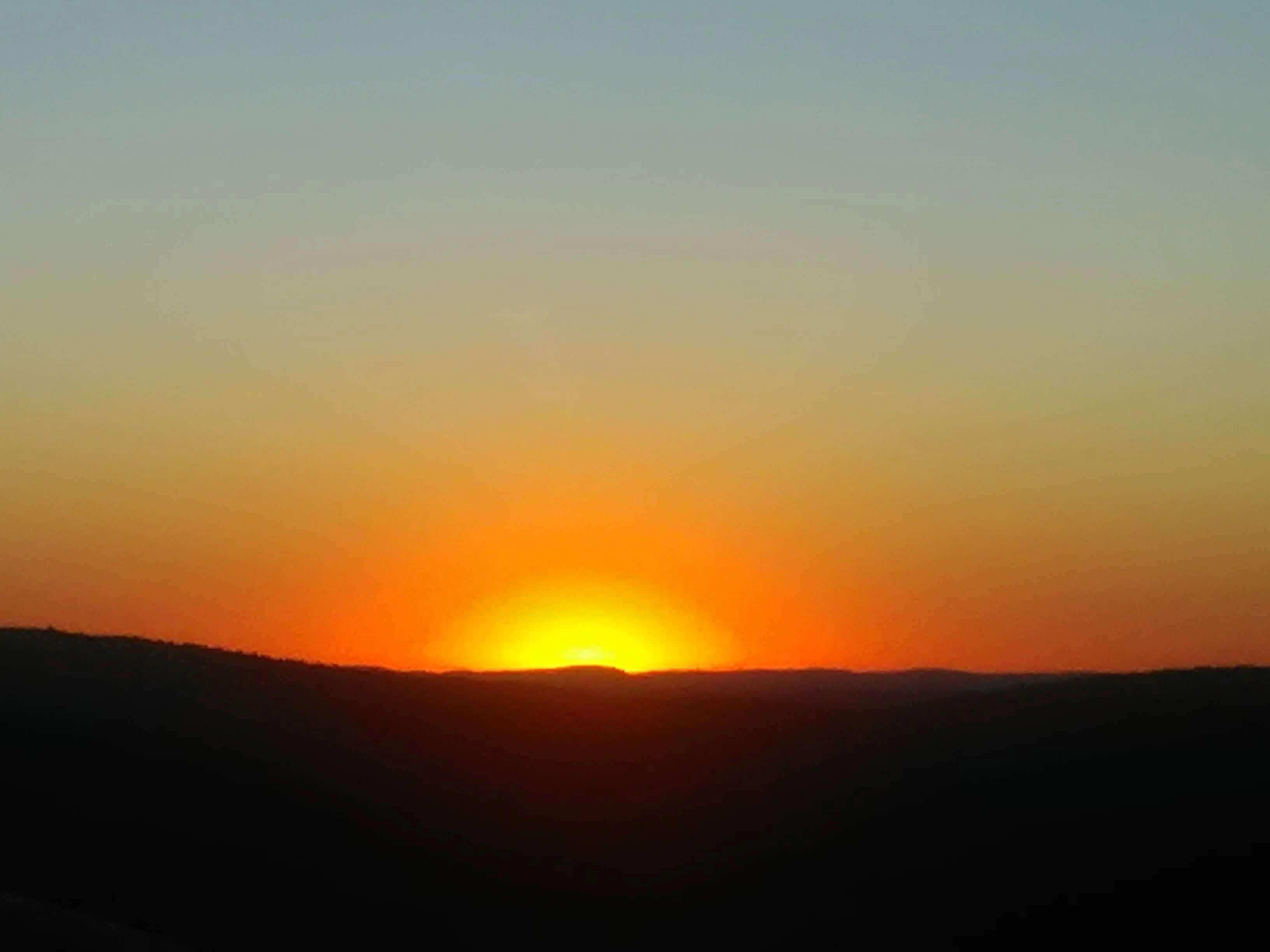
What the island teaches well
Assateague makes coastal structure visible. Readers can watch how dunes block wind, how beach and bay sides feel different, how marsh edges change bird movement, and how open exposure affects comfort, sound, and distance.
How to pace the day
Start early in warm weather. Let wind direction and heat decide how much beach time makes sense. On migration days, stop often and let the island come to you instead of racing from pull-off to pull-off.
Who it suits best
Families, photographers, birders, and serious beginners all do well here when the plan stays simple. The island becomes much more useful when visitors arrive with one habitat or one wildlife goal in mind.
What to watch before you go
Wind, insects, sun exposure, heat, and crowding matter here more than on many inland pages. Tide is part of the day, even when the visit is not centered on water access. Official conditions, closures, and posted rules should always be checked before travel.
Reviewed by
Reviewed by Michael Deem
Michael Deem reviews Assateague through Maryland coastal field work, private-applicator and entomology-aware knowledge around insects and seasonal pressure, and practical judgment about weather, pace, and family use.
This page is reviewed for realistic scope, coastal conditions, and habitat-first reading instead of postcard-style destination language.
Assateague is best used as a barrier-island field day rather than a crowded checklist. Official access notices, closures, tide-sensitive conditions, and beach regulations remain the controlling source.