Maryland system Interoperable departments Field article Wildlife profile

Wildlife profile

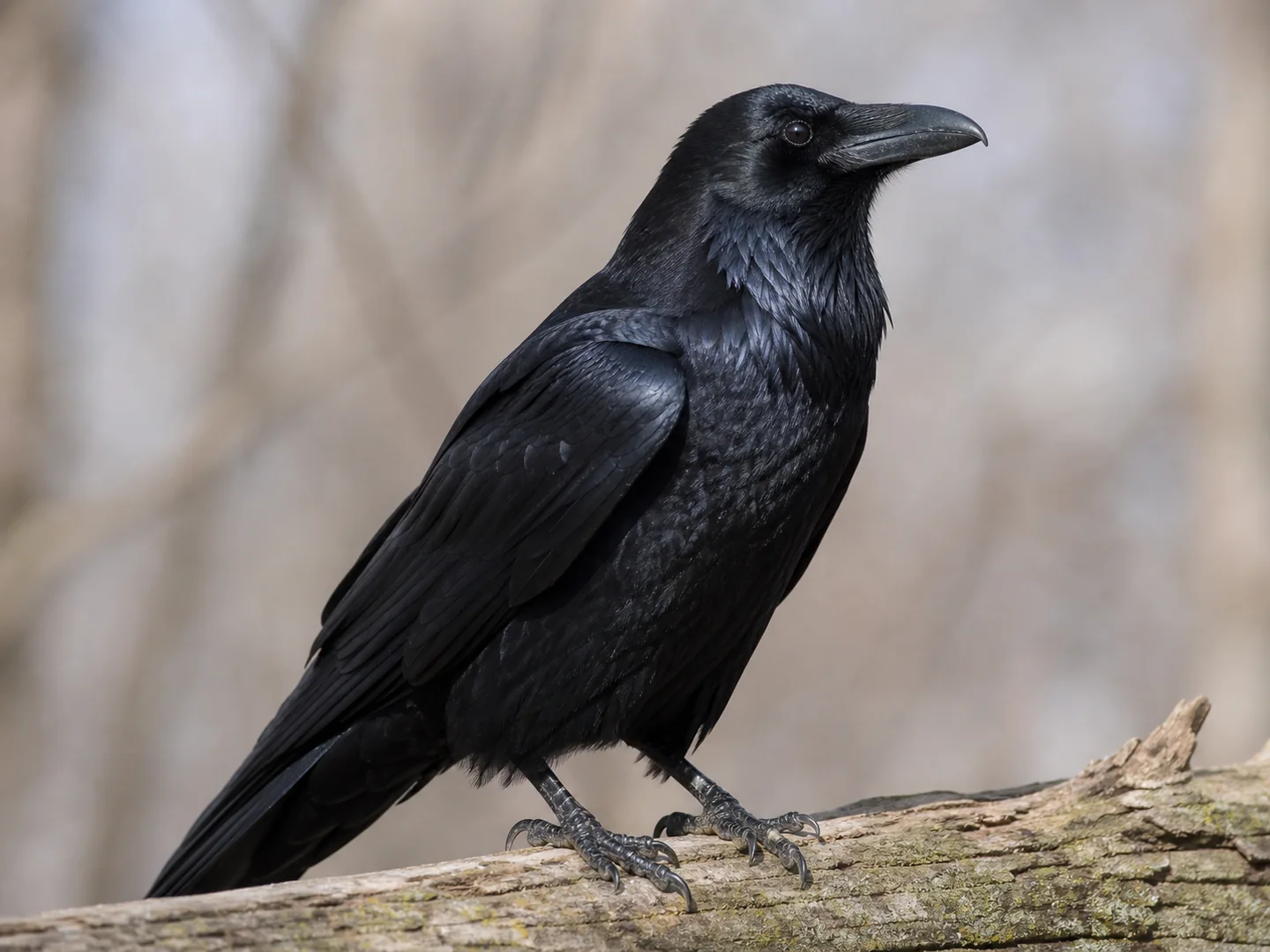
Common Raven

Common ravens add voice and scale to western Maryland. Their deep calls, heavy flight, and ridge-line movement make mountain sky feel different from lowland woods.

This page helps readers separate raven from crow, then place the bird inside cliffs, forest blocks, road cuts, wind, and high-country travel.

Wildlife profileCommon Raven Maryland wildlife illustration
Common ravens are best read through large silhouettes, heavy calls, and western mountain forest context.

Field sound

Listen to Common Raven

Use sound as one clue alongside habitat, season, behavior, and place. Keep volume low outdoors and avoid playback that could disturb wildlife.

Audio attribution

Audio: Raven Croak or Crow Caw by fudgealtoid -- https://freesound.org/s/716962/ -- License: Creative Commons 0

Professional field lens

Read Common Raven as part of a larger Maryland system.

A strong wildlife profile should not end at identification. Use this page to connect the animal to habitat structure, seasonal windows, field signs, public-land choices, public education, and low-impact observation.

At first glance

Start with habitat before the animal

Ask what water, cover, food, edge, light, and human pressure are doing. The same species can read differently in a marsh, ravine, stream bottom, cove, older woods, or suburban edge.

Browse wildlife by habitat

Timing window

Treat season as part of the identification

Breeding, migration, leaf-off sightlines, high water, low water, dawn, dusk, heat, cold, and food availability can change what is visible and what should be left undisturbed.

Browse wildlife by season

Glossary links

Use field terms as working links

When a profile mentions field sign, edge cover, refuge pools, older woods, tidal rivers, coves, or stream bottoms, follow the glossary to the habitat and place pages that explain the term.

Open the glossary

Low-impact method

Watch without pressuring the animal

Keep distance, avoid repeated approaches, respect nests and dens, stay on durable surfaces where appropriate, and verify official access rules before sensitive outings.

Read field ethics
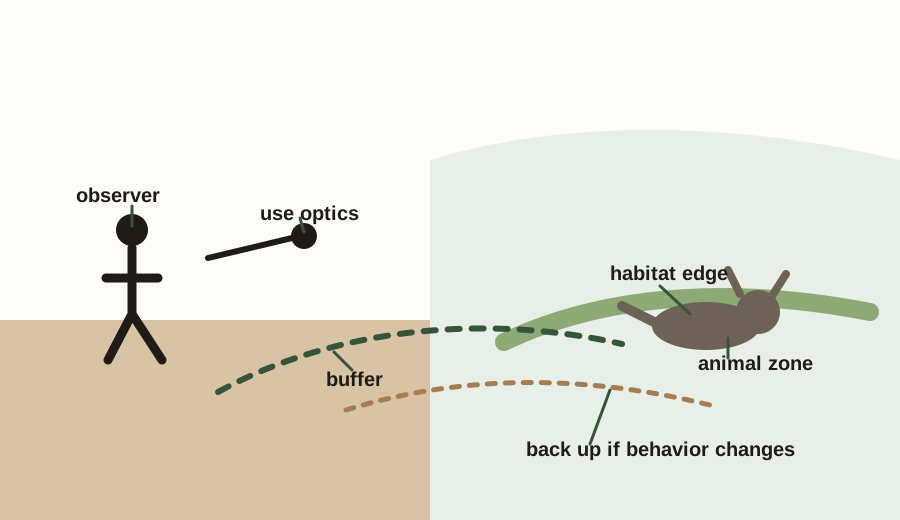
Wildlife observation distance diagram showing observer, buffer, habitat, and animal behavior zone.

Observation card

Watch without crowding

Read the animal through habitat, movement, sound, and behavior. Distance is part of the observation, not a barrier to it.

Habitat first

Notice food, cover, water, edge, perch, den, scrape, or travel route before focusing on the animal alone.

Behavior sets distance

Back up if the animal stops feeding, watches you, changes path, vocalizes, flushes, or hides.

Use optics

Binoculars, quiet pauses, and side-on positioning create better observations than approach.

Field check

  • Stay on durable surfaces.
  • Do not feed or call wildlife.
  • Use zoom instead of approach.
  • Leave before behavior changes.

Quick field read

Start with sound and scale: deep croaks, wedge-shaped tail impressions in flight, paired movement, and a large corvid shape over ridges or open mountain roads.

Look and listen for

  • Deep croaking or knocking calls rather than a typical crow caw.
  • Large black bird with heavier bill and broader presence than American Crow.
  • Soaring, tumbling, or paired flight over ridge and cliff country.
  • Activity around road cuts, high forest edges, carcasses, or broad western openings.

Read more by topic

Raven versus crow

Size alone can mislead. Use voice, bill heaviness, tail shape, flight style, and place. A raven in a western ridge setting often feels heavier and less chattery than a group of crows.

Mountain reading

Ravens make western Maryland more legible because they use air, ridge, cliff, carrion, and forest edge at a broad scale. Watch how the bird moves with wind and topography.

Seasonal notes

Ravens can be useful year-round. Winter and leaf-off seasons may make silhouettes and paired movement easier; spring may add nesting-territory behavior around rocky or high-country settings.

Ethics

Do not approach nests or use playback to provoke response. Let natural calls and flight behavior carry the page.

Keep reading

Species field note

Read Common Raven through setting, season, and behavior.

Common Raven becomes more useful in the field when the sighting is tied to habitat, timing, and Maryland context instead of treated as an isolated ID moment.

Best use

Start with the setting

Confirm whether the place fits this profile: mountain ridges, cliffs, large forest blocks, rural openings, high road corridors, and broad western sky.

Elite move

Watch behavior before naming it

Movement, posture, sound, feeding, cover, distance, and response to people can turn a quick sighting into a stronger observation.

Common mistake

Forcing one clue too hard

Do not rely on a single glimpse, call, track, or photo without checking season, light, scale, and look-alikes.

Next step

Pair with habitat and place

Use the Maryland context — fairly common in western Maryland and increasingly reported elsewhere, but still most naturally read through mountain country — to choose a better follow-up page or outing.

Field cues to carry forward

  • Best Maryland timing: year-round, often easiest to notice by croaking calls, paired flight, ridge movement, and large silhouette against open sky.
  • Best habitat lens: mountain ridges, cliffs, large forest blocks, rural openings, high road corridors, and broad western sky.
  • Best Maryland context: fairly common in western Maryland and increasingly reported elsewhere, but still most naturally read through mountain country.
  • Record date, place, behavior, distance, and habitat before deciding how confident the sighting is.

Seasonal review

Field conditions change the meaning of a guide page.

Season, weather, breeding windows, young wildlife, high water, heat, hunting seasons, closures, and protected-species timing can change what a reader should do next.

Seasonal review refresh: May 7, 2026. Always verify current rules, closures, permits, seasons, and protected-species instructions with Maryland DNR, the county health department, or the official land manager before acting.

Spring

Breeding windows, vernal pools, nesting birds, young wildlife, high water, mud season, and bat colony formation can make ordinary field behavior too intrusive.

Summer

Heat, storms, ticks, snakes, beach protections, nesting colonies, flightless young, and bat maternity timing should push readers toward shade, distance, and official timing checks.

Autumn

Migration, mast, rut movement, hunting seasons, bear food pressure, leaf-off visibility, and falling temperatures change both wildlife behavior and public-land use.

Winter

Ice, hypothermia, road closures, waterfowl concentration, denning, hibernation, and low daylight require conservative trip planning and no-disturbance wildlife observation.

Mountain forest guide trail

Read mountain species through slope, cover, cold water, mast, and older woods.

Use this path when the page belongs in the western Maryland forest system rather than a generic statewide wildlife list.

Term paths

Use glossary terms to move between wildlife, habitat, and service pages.

Blue dotted glossary terms open quick definitions. These hubs collect the vocabulary that helps readers find the right department faster.

Wildlife glossary Animal signs, behavior, health, and structure-use terms Tracks, scat, home range, den sites, rabies-vector language, and wildlife-conflict terms. Flora & fauna glossary Ecology, habitat, food-web, and biodiversity terms Use this path for environmental science vocabulary that connects species to habitat. Site search Search a term, animal, place, service, or activity Use search when the glossary popup is not enough and a page-level route is needed.

Interoperable guide system

Continue through Wildlife

Use the previous/next links for this department, then jump sideways into the related Maryland Wilderness departments that help explain the same outing, animal, place, or season.