
Species index
Wildlife by region
This index helps visitors start with place. Maryland’s animals make more sense when the reader begins with the region, then uses habitat and season to refine the day.
A professional site should make it easy to move from “Where am I going?” to “Which species pages should I open first?” without forcing people to browse the entire catalog.
How to use this index
Start with the region you are most likely to visit. Then choose one habitat page and one season page that explain why that region works for the species you care about. That three-step chain—region, habitat, season—produces much better field expectations than species pages alone.
Best companion hubs
Western Mountains
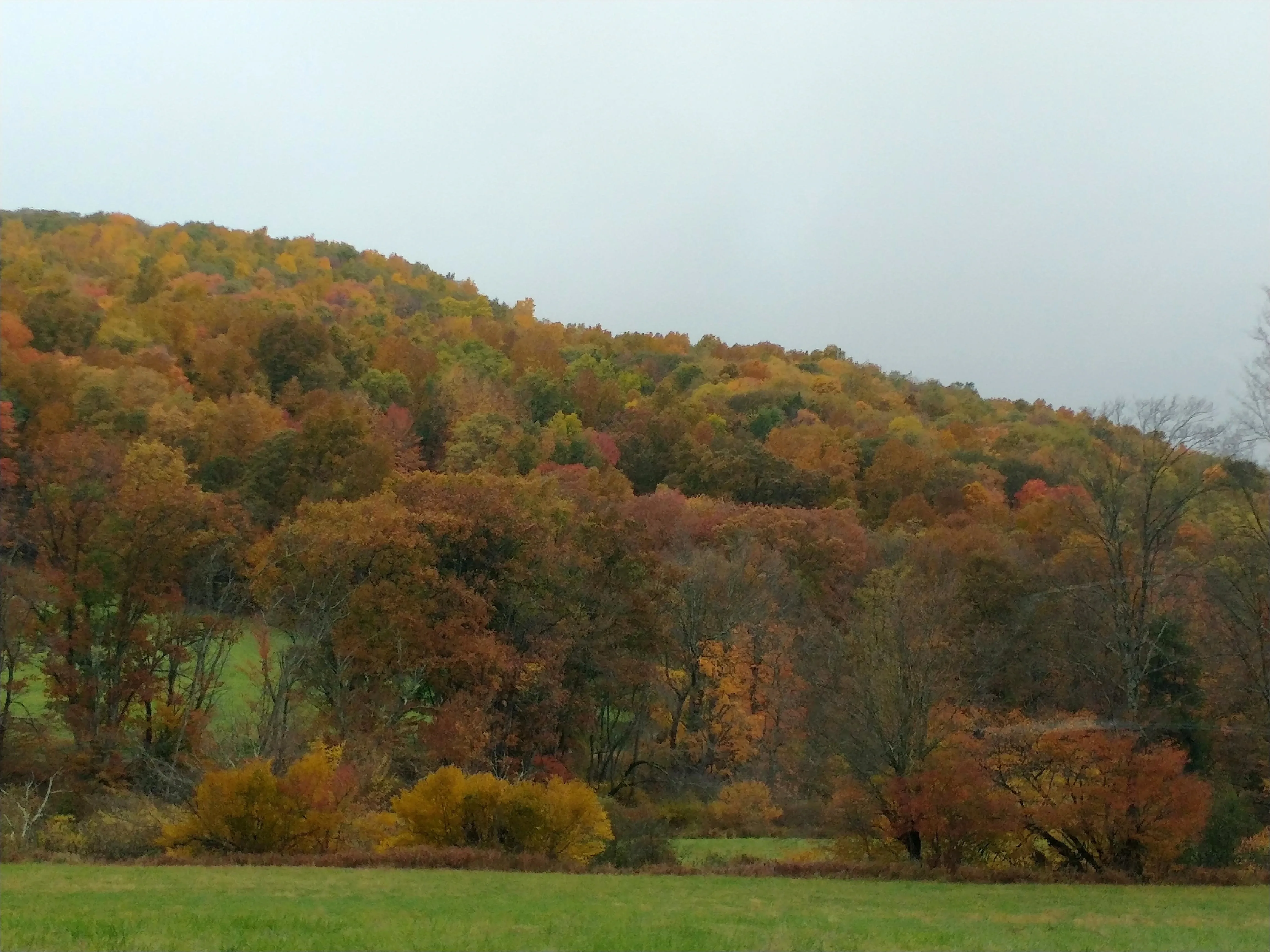
Use the mountains for forest depth, cold water, mast, quieter road systems, and cooler weather. Western species pages tend to work best when paired with mountain-forest or stream reading rather than with broad statewide summaries.
Mountain mammal
Black Bear
Large forest blocks, mast, and mountain etiquette.
Cold water
Brook Trout
Western Maryland streams and headwater habitat.
Forest dusk
Barred Owl
Quiet wooded valleys and listening-first evening outings.
Woodland openings
Wild Turkey
Ridges, openings, mast, and spring calling country.
Piedmont & Central Maryland
Use central and Piedmont pages for repeat local practice, reservoir woods, farm-edge transitions, owl listening, and species that reward seeing the same corridor in multiple seasons.
Edge-country staple
White-tailed Deer
Reservoir woods, farm-forest transitions, and suburban green corridors.
Brush & field margins
Red Fox
A classic species of human-wildland transition country.
Mature woods
Pileated Woodpecker
Older woodland structure across wooded corridors.
Moist deciduous forest
Wood Thrush
A spring flagship for layered forest in quieter wooded valleys.
Bay, Eastern Shore, and Atlantic Coast
Use the Bay and Shore for broad water, marsh edge, migration, estuarine weather, and shoreline movement. The most helpful species pages here usually depend on tide, wind, or water level as much as geography.
Tidal water
Osprey
One of Maryland’s defining Bay and shore birds.
Big water
Bald Eagle
A large-water species tied to shoreline structure and broad views.
Shallow water
Great Blue Heron
A wetland and tidal-edge teacher of stillness and patience.
Marsh mammal
Muskrat
A useful wetland page for emergent vegetation and quiet channels.
Shoreline traveler
River Otter
A species that links fresh and tidal water with sign-rich movement.
Barrier-island bird
Piping Plover
A protected beach species that makes ethics central to the page.
Move from region to stronger destination pages
After using this index, open one destination page. Mountains should usually lead toward Savage River, Deep Creek, or a western gateway. The Bay and Shore should usually lead toward Blackwater, Assateague, or a shoreline gateway. Central species work best when paired with repeat destinations like Patapsco or Patuxent.