Regional places
Western Mountains Places & Towns
Western Mountains becomes easier to use when towns, access roads, scenic corridors, and public entry points are treated as parts of one travel pattern.
The strongest base is often the one that shortens travel, fits the season, and leaves enough time for a small number of strong stops.
How the area reads on the ground
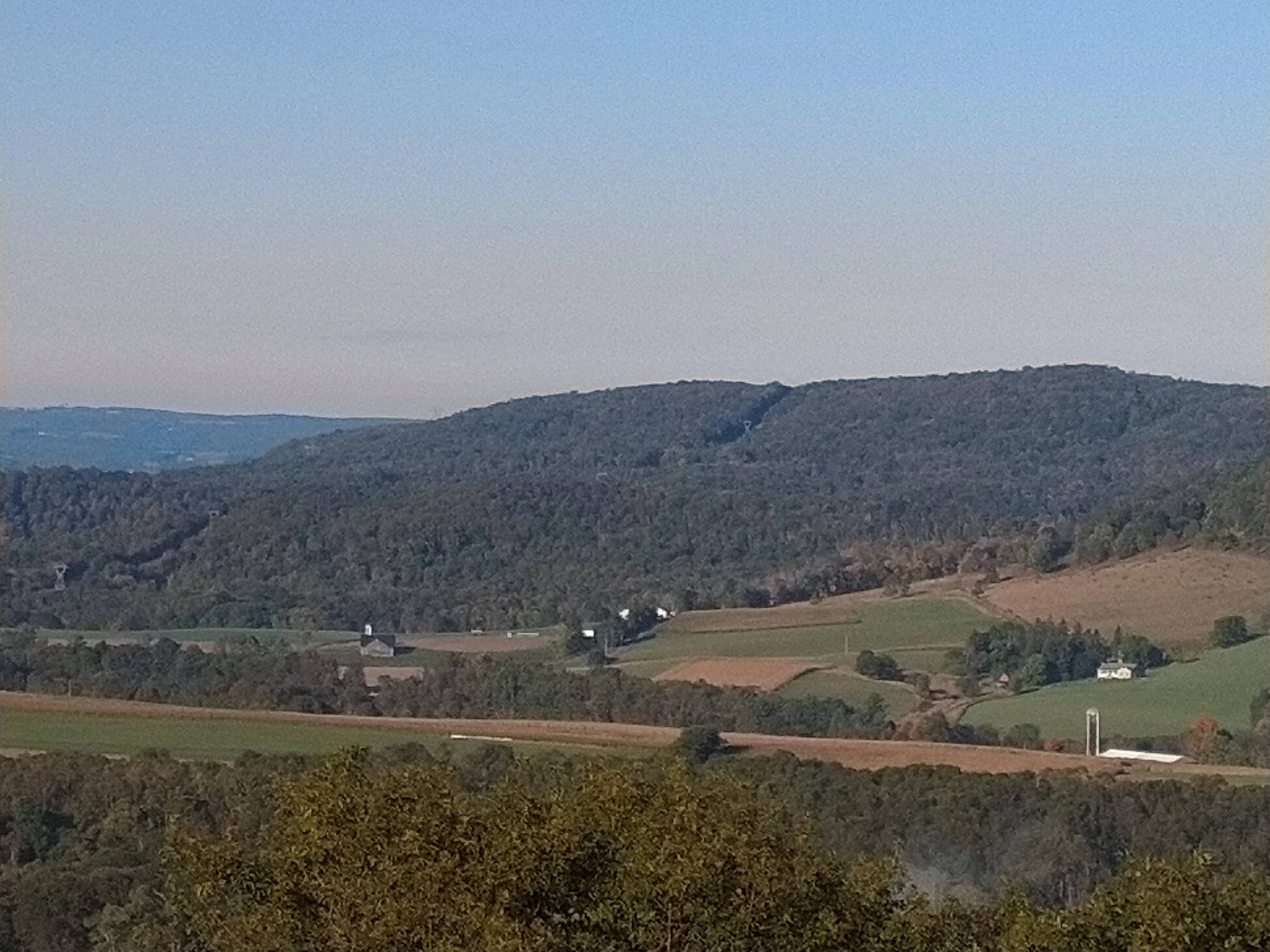
Visitor points of interest matter here because they reveal how towns, roads, overlooks, launches, and short walks sit inside the larger landscape. A waterfront park can clarify tidal movement, a boardwalk can clarify marsh structure, and a quiet main street can make an overnight stop or early start much easier.
The best results usually come from keeping the day small: choose one base, one habitat type, and one or two strong stops rather than trying to cover the whole region at once.
Best uses
- Choose a base town for a two-day trip.
- Compare scenic versus practical access.
- Find calmer family entry points into the region.
- Pair towns with public lands and seasonal effects.
- Use visitor points of interest as observation anchors.
Prominent towns and base areas
Oakland
Best used as a calm base town for Deep Creek, Swallow Falls, New Germany, and the broader Garrett County high country. It works especially well for families and people who want a small-town base close to state-park infrastructure.
Deep Creek Lake corridor
Functions as both a recreation corridor and an access spine into cool-weather landscapes, public lands, and shoulder-season travel. It is strongest when used as an early-morning launch point rather than a late-day afterthought.
Frostburg
A ridge town that helps people reach Allegany County overlooks, rail-trail country, and mountain travel days that mix history, walking, and broad topographic reading.
Cumberland
Useful as a western gateway with stronger services, rail-trail access, and a practical base for mixed mountain and valley itineraries.
Visitor points of interest
The following points of interest are useful because they make the region legible, not merely famous. They tend to combine access, scenery, habitat clues, and practical visitor rhythm.
- Swallow Falls State Park
- New Germany State Park
- Savage River State Forest
- Great Allegheny Passage
- mountain overlooks and cool ravines
A point of interest should never be treated as the whole landscape. It is better understood as a doorway into the larger pattern — mountain weather, shoreline change, marsh transition, forest structure, or travel rhythm. Readers who keep that larger pattern in view will get much more value from a single stop.
Planning notes
When using this regional place layer, begin by deciding what kind of day you want. Is the goal a scenic first encounter with the region, a family-friendly loop, a photo outing, a birding morning, a mixed day of town and trail, or a quiet shoulder-season drive with short walks? The right town and point of interest depends heavily on that answer.
This is also where season pages become useful. A Bay town behaves differently in spring wind than in late-summer humidity. A mountain town becomes a different base when autumn color shifts, or when winter short light changes how much ground you can sensibly cover. Pairing place pages with seasons keeps the site honest and practical.