
Cove
Sheltered arms can concentrate ducks, herons, turtles, insects, tracks, and calm-water reflections.
Guide value $97 FreeRead Maryland outdoors through field guides, outing planning, public lands, and wildlife conflict prevention.
Waterbody term
A reservoir is an impounded waterbody, but the field value is usually around the edges. Wooded shorelines, coves, points, drawdown bands, submerged timber, dam-controlled levels, and quiet arms all create different wildlife and visitor patterns.
In Maryland, reservoirs often function as accessible birding water, suburban wild edges, and cool-weather observation places. Read the shoreline structure first, then decide where the safest and most useful view will be.
Reservoir-edge card
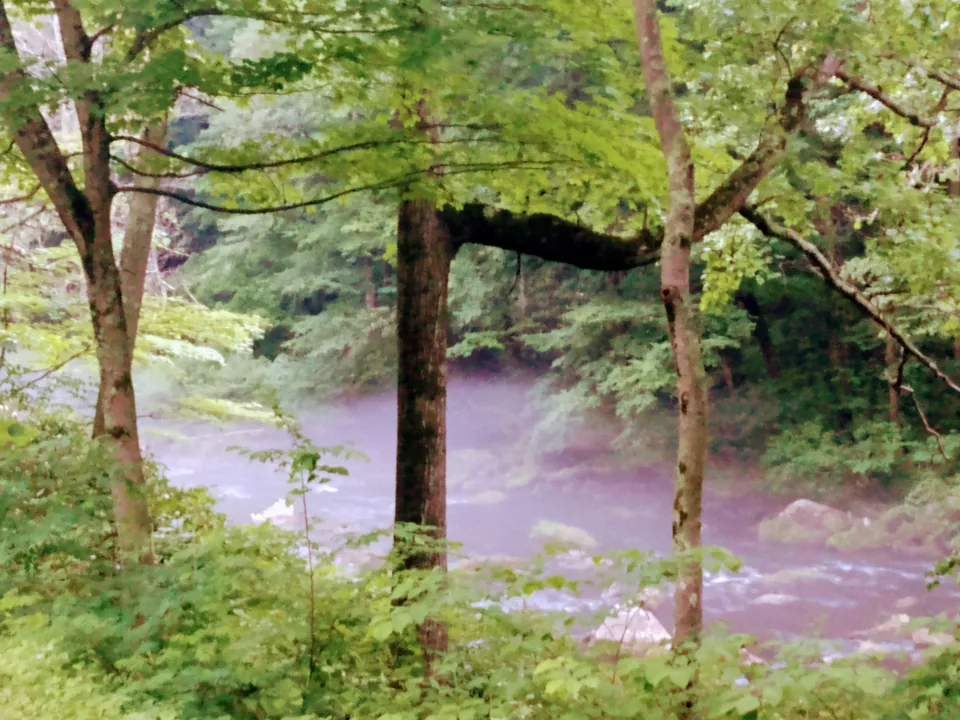
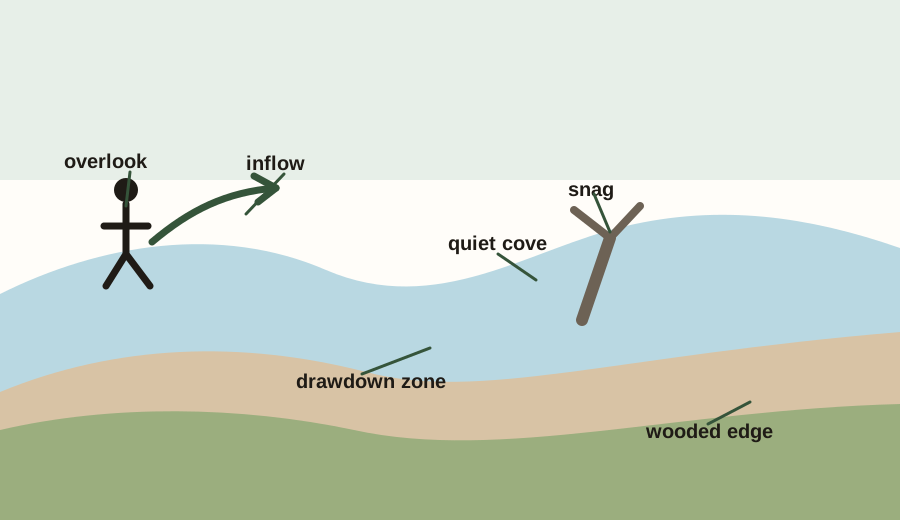
Reservoirs can look still from a distance. The useful clues are in coves, shallow shelves, exposed edges, inflows, snags, shade, and quiet morning light.
Sheltered arms can concentrate ducks, herons, turtles, insects, tracks, and calm-water reflections.
Changed water levels expose mud, roots, stumps, and feeding edges.
Small creeks and shaded drains often create cooler, more active edges.
Start with shoreline shape. Points expose birds and wind. Coves shelter quiet water. Steep wooded banks can hold shade, snags, and perches. Drawdown zones reveal mud, tracks, feeding edges, and old shoreline structure.
A reservoir can look uniform from a parking area, but it is rarely uniform in the field. Wind direction, water level, tree cover, and human access can make one arm active while another feels empty.
Winter and migration periods can make open water more important, especially when smaller ponds are frozen or low. Spring and summer shift attention to shoreline nests, basking turtles, insects, and shallow edges. Late summer can expose drawdown bands where tracks, mud, and plant lines become easier to read.
Reservoirs also change quickly after storms. High water can erase access edges, while low water can expose mud that looks firm but is not safe for travel.
A useful reservoir page teaches where to look next. A definition says a reservoir is an artificial lake; field guidance explains why a sheltered cove, wind-blown point, drawdown flat, or wooded bank changes the day.
Use reservoir pages as bridges between habitat, species, public land, and trip planning. They should help readers choose a viewpoint, read the season, avoid unsafe banks, and understand why a waterbody supports different activity at dawn, midday, and dusk.
Written/reviewed by
Michael Deem reviews this reservoir guide for shoreline-reading clarity, safe access framing, and practical Maryland field use.
This page is written to turn a glossary term into usable field judgment, safer observation, and stronger connections between Maryland habitats, species, seasons, and public lands.
Maryland Wilderness review is shaped by current Wildlife Damage Control Operator (WDCO) work through the Maryland DNR Wildlife & Heritage Service framework, ten years of wildlife-conflict experience since 2016, licensed private-applicator experience, practical entomology and pesticide knowledge, nuisance-pattern prevention, insects and attractants, habitat reading, and public education across Maryland wildlife topics.
Open full bioField-skill note
The field-guide pages are most useful when they turn a big outdoor question into a repeatable observation method.
Best use
Tracks, listening, habitat reading, packing, and planning each work better when you keep the exercise simple.
Elite move
A track, call, feather, plant, or trail choice is more useful when time, weather, substrate, season, and place are included.
Common mistake
Better field skill often means holding two or three possibilities until the setting narrows them.
Next step
That moves the guide from reading to field use.
Seasonal review
Season, weather, breeding windows, young wildlife, high water, heat, hunting seasons, closures, and protected-species timing can change what a reader should do next.
Seasonal review refresh: May 7, 2026. Always verify current rules, closures, permits, seasons, and protected-species instructions with Maryland DNR, the county health department, or the official land manager before acting.
Breeding windows, vernal pools, nesting birds, young wildlife, high water, mud season, and bat colony formation can make ordinary field behavior too intrusive.
Heat, storms, ticks, snakes, beach protections, nesting colonies, flightless young, and bat maternity timing should push readers toward shade, distance, and official timing checks.
Migration, mast, rut movement, hunting seasons, bear food pressure, leaf-off visibility, and falling temperatures change both wildlife behavior and public-land use.
Ice, hypothermia, road closures, waterfowl concentration, denning, hibernation, and low daylight require conservative trip planning and no-disturbance wildlife observation.
Guide system trail
Use this path to keep practical guide pages connected to species context, landscape reading, glossary terms, and official rules before an outing.
Term paths
Blue dotted glossary terms open quick definitions. These hubs collect the vocabulary that helps readers find the right department faster.
Interoperable guide system
Use the previous/next links for this department, then jump sideways into the related Maryland Wilderness departments that help explain the same outing, animal, place, or season.