Maryland system Interoperable departments Field article Wildlife profile

Wildlife profile

Herring Gull

Learn Herring Gull in Maryland through coastal beaches, field marks, sounds, seasonality, and resident-friendly habitat context.

In Maryland this species is best understood through place, timing, water level, sound, and sign. The page is written for residents and field observers who want a practical guide now, while leaving room for a future paid callback or initial virtual-meeting request when a property-specific concern needs human review.

Wildlife profileHerring Gull Maryland habitat guide
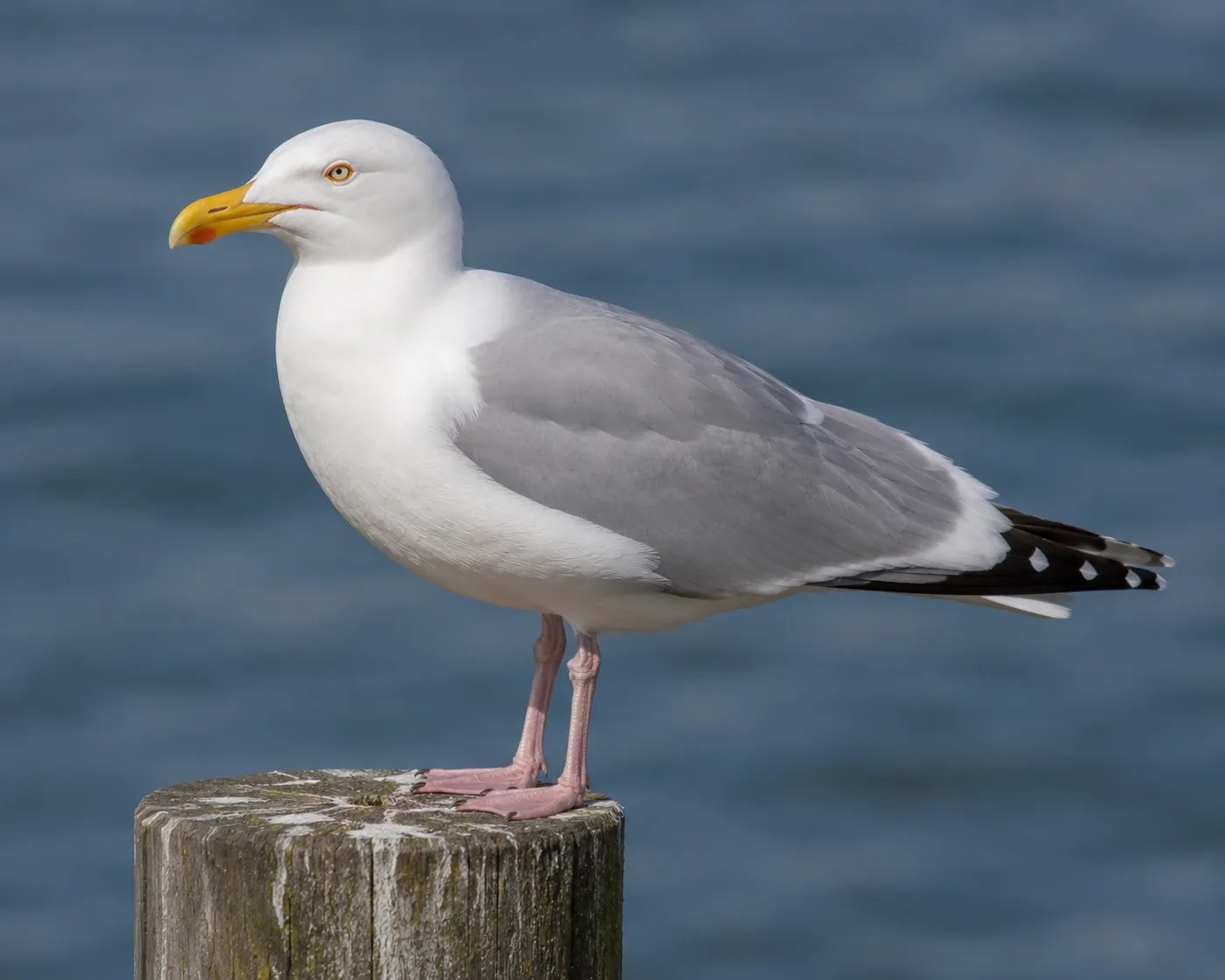
Replace this placeholder with a final Herring Gull field image when available.

Professional field lens

Read Herring Gull as part of a larger Maryland system.

A strong wildlife profile should not end at identification. Use this page to connect the animal to habitat structure, seasonal windows, field signs, public-land choices, public education, and low-impact observation.

Word pronunciation

Herring GullHAIR-ing GULL

Use this plain-language cue when reading the profile name aloud.

At first glance

Start with habitat before the animal

Ask what water, cover, food, edge, light, and human pressure are doing. The same species can read differently in a marsh, ravine, stream bottom, cove, older woods, or suburban edge.

Browse wildlife by habitat

Timing window

Treat season as part of the identification

Breeding, migration, leaf-off sightlines, high water, low water, dawn, dusk, heat, cold, and food availability can change what is visible and what should be left undisturbed.

Browse wildlife by season

Glossary links

Use field terms as working links

When a profile mentions field sign, edge cover, refuge pools, older woods, tidal rivers, coves, or stream bottoms, follow the glossary to the habitat and place pages that explain the term.

Open the glossary

Low-impact method

Watch without pressuring the animal

Keep distance, avoid repeated approaches, respect nests and dens, stay on durable surfaces where appropriate, and verify official access rules before sensitive outings.

Read field ethics

Quick field read

Think large, bulky, pale gull with a heavy bill. Compare size against Ring-billed Gulls in mixed flocks.

Look and listen for

  • Large gull shape with pale gray back and white head/body.
  • Heavy yellow bill with a red spot on the lower bill.
  • Pinkish legs and bulky stance compared with Ring-billed Gull.
  • Common around big water, piers, harbors, beaches, and landfills.

Encounter-cue foundation

Heard, spotted, or sign?

These cues support the field guide now and keep the profile ready for a future paid initial consult/callback workflow. They are not meant to diagnose a property-specific wildlife concern online.

Likely heard

loud classic gull calls from beaches, docks, rooftops, piers, and crowded loafing sites

Likely spotted

large pale gull with gray back, pink legs, heavy yellow bill, and red spot on lower mandible

Likely sign

large gulls loafing on beaches, pilings, rooftops, docks, and shoreline flats

Read more by topic

Herring Gull versus Ring-billed Gull

Herring Gull is larger, heavier, and bulkier with a red bill spot. Ring-billed Gull is smaller with a distinct dark ring around the bill.

Bay, river, wetland, and pond read

Use Herring Gull for Chesapeake, Atlantic Coast, and large-reservoir pages where mixed gull flocks need size context.

Observation and resident-request boundary

Do not feed or chase gulls. Keep distance from roosting flocks and any nesting areas on roofs, islands, or protected coastal ground.

A later service upgrade should accept payment for an initial consultation before sending a callback or virtual-meeting request, then offer only available appointment windows within the next seven days after blocked days are removed.

Keep reading

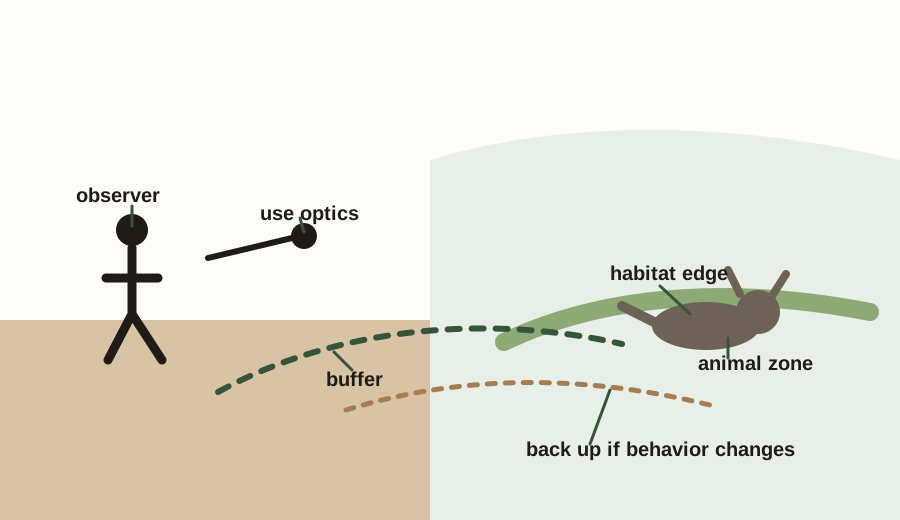
Wildlife observation distance diagram showing observer, buffer, habitat, and animal behavior zone.

Observation card

Watch without crowding

Read the animal through habitat, movement, sound, and behavior. Distance is part of the observation, not a barrier to it.

Habitat first

Notice food, cover, water, edge, perch, den, scrape, or travel route before focusing on the animal alone.

Behavior sets distance

Back up if the animal stops feeding, watches you, changes path, vocalizes, flushes, or hides.

Use optics

Binoculars, quiet pauses, and side-on positioning create better observations than approach.

Field check

  • Stay on durable surfaces.
  • Do not feed or call wildlife.
  • Use zoom instead of approach.
  • Leave before behavior changes.

Species field note

Turn the profile into habitat, season, and behavior clues.

Use this species page as a field-reading prompt. The useful question is not only what the animal is, but why the place and season make the observation possible.

Best use

Confirm the setting

Match the animal to habitat, cover, water, food, and likely activity period before relying on one clue.

Elite move

Collect several clues at once

Posture, movement, sound, substrate, light, season, and distance often work together better than one field mark.

Common mistake

Overvaluing a single glimpse

A fast sighting can mislead. Tracks, repeated behavior, and habitat context usually improve confidence.

Next step

Pair with habitat and season pages

Those companion pages help explain why the species belongs in this part of Maryland now.

Field cues to carry forward

  • Ask what the animal was doing.
  • Notice whether your presence changed the behavior.
  • Record habitat and season as part of the observation.
  • Use official guidance for sensitive or regulated species.

Seasonal review

Field conditions change the meaning of a guide page.

Season, weather, breeding windows, young wildlife, high water, heat, hunting seasons, closures, and protected-species timing can change what a reader should do next.

Seasonal review refresh: May 7, 2026. Always verify current rules, closures, permits, seasons, and protected-species instructions with Maryland DNR, the county health department, or the official land manager before acting.

Spring

Breeding windows, vernal pools, nesting birds, young wildlife, high water, mud season, and bat colony formation can make ordinary field behavior too intrusive.

Summer

Heat, storms, ticks, snakes, beach protections, nesting colonies, flightless young, and bat maternity timing should push readers toward shade, distance, and official timing checks.

Autumn

Migration, mast, rut movement, hunting seasons, bear food pressure, leaf-off visibility, and falling temperatures change both wildlife behavior and public-land use.

Winter

Ice, hypothermia, road closures, waterfowl concentration, denning, hibernation, and low daylight require conservative trip planning and no-disturbance wildlife observation.

Wildlife guide trail

Keep moving from species ID into habitat, season, place, and field terms.

Use this path when a wildlife profile should connect to the larger Maryland Wilderness field-guide system instead of ending after identification.

Term paths

Use glossary terms to move between wildlife, habitat, and service pages.

Blue dotted glossary terms open quick definitions. These hubs collect the vocabulary that helps readers find the right department faster.

Wildlife glossary Animal signs, behavior, health, and structure-use terms Tracks, scat, home range, den sites, rabies-vector language, and wildlife-conflict terms. Flora & fauna glossary Ecology, habitat, food-web, and biodiversity terms Use this path for environmental science vocabulary that connects species to habitat. Site search Search a term, animal, place, service, or activity Use search when the glossary popup is not enough and a page-level route is needed.

Interoperable guide system

Continue through Wildlife

Use the previous/next links for this department, then jump sideways into the related Maryland Wilderness departments that help explain the same outing, animal, place, or season.