Maryland system Interoperable departments Field article Wildlife profile

Wildlife profile

Bats

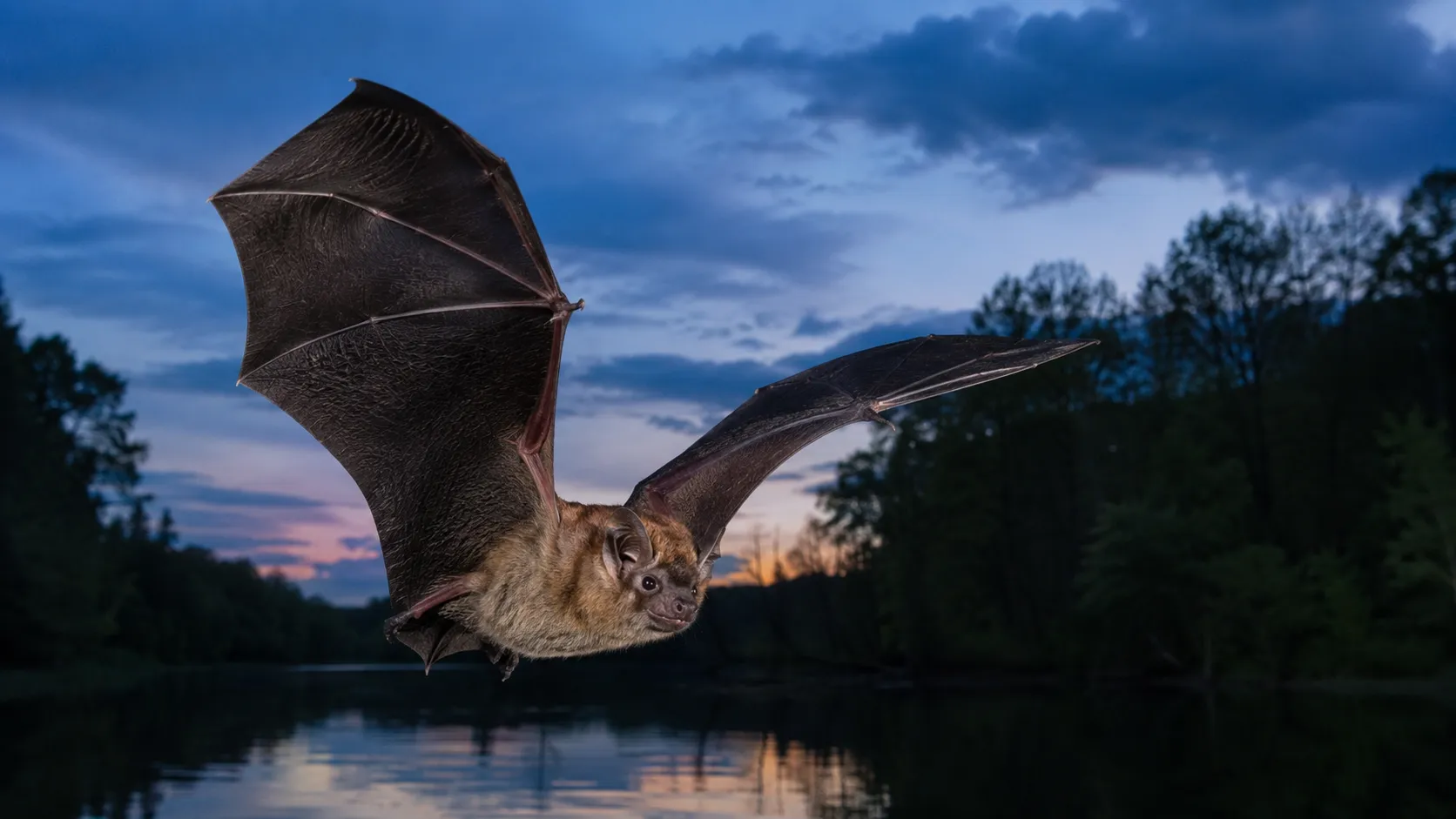
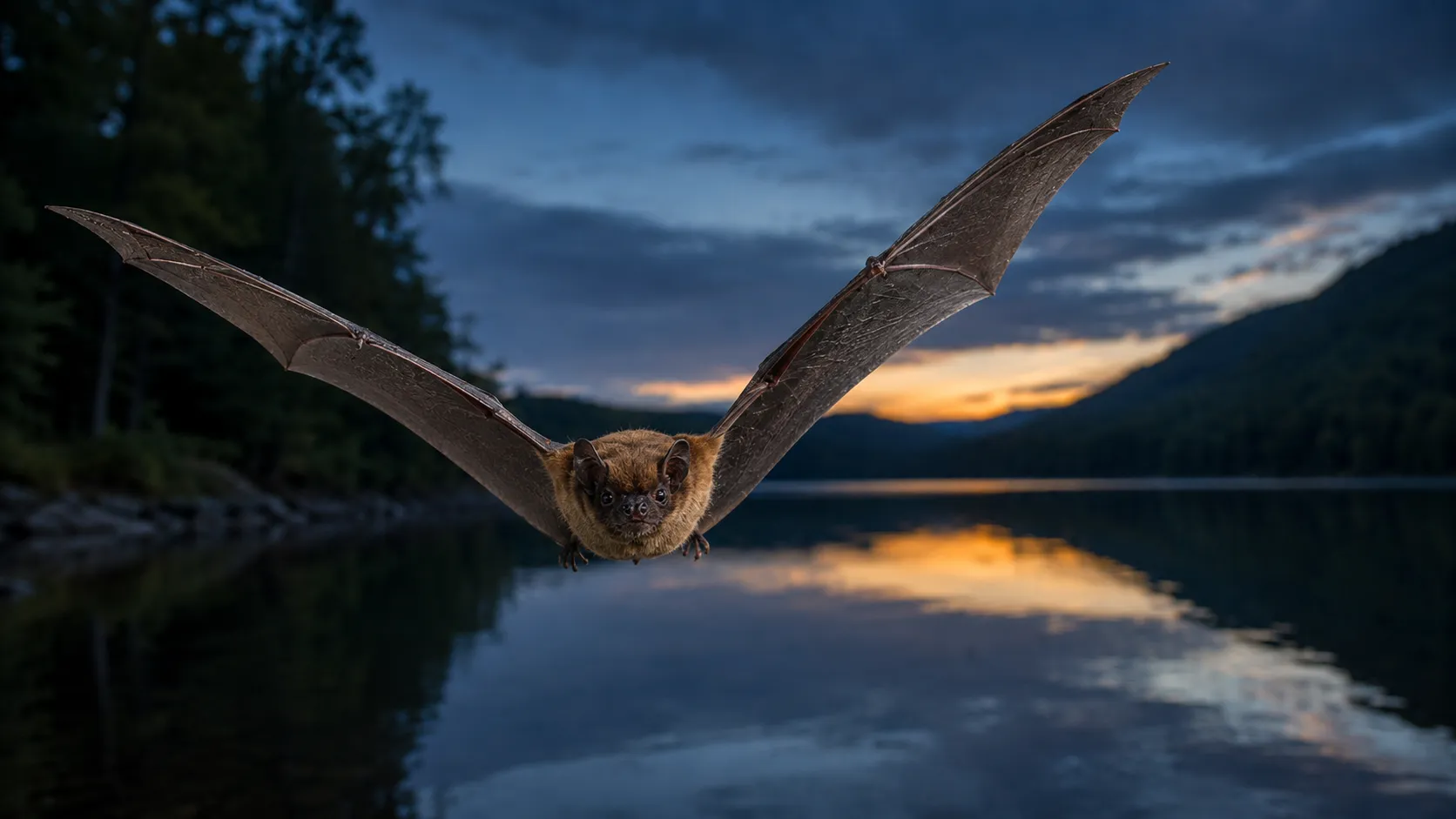
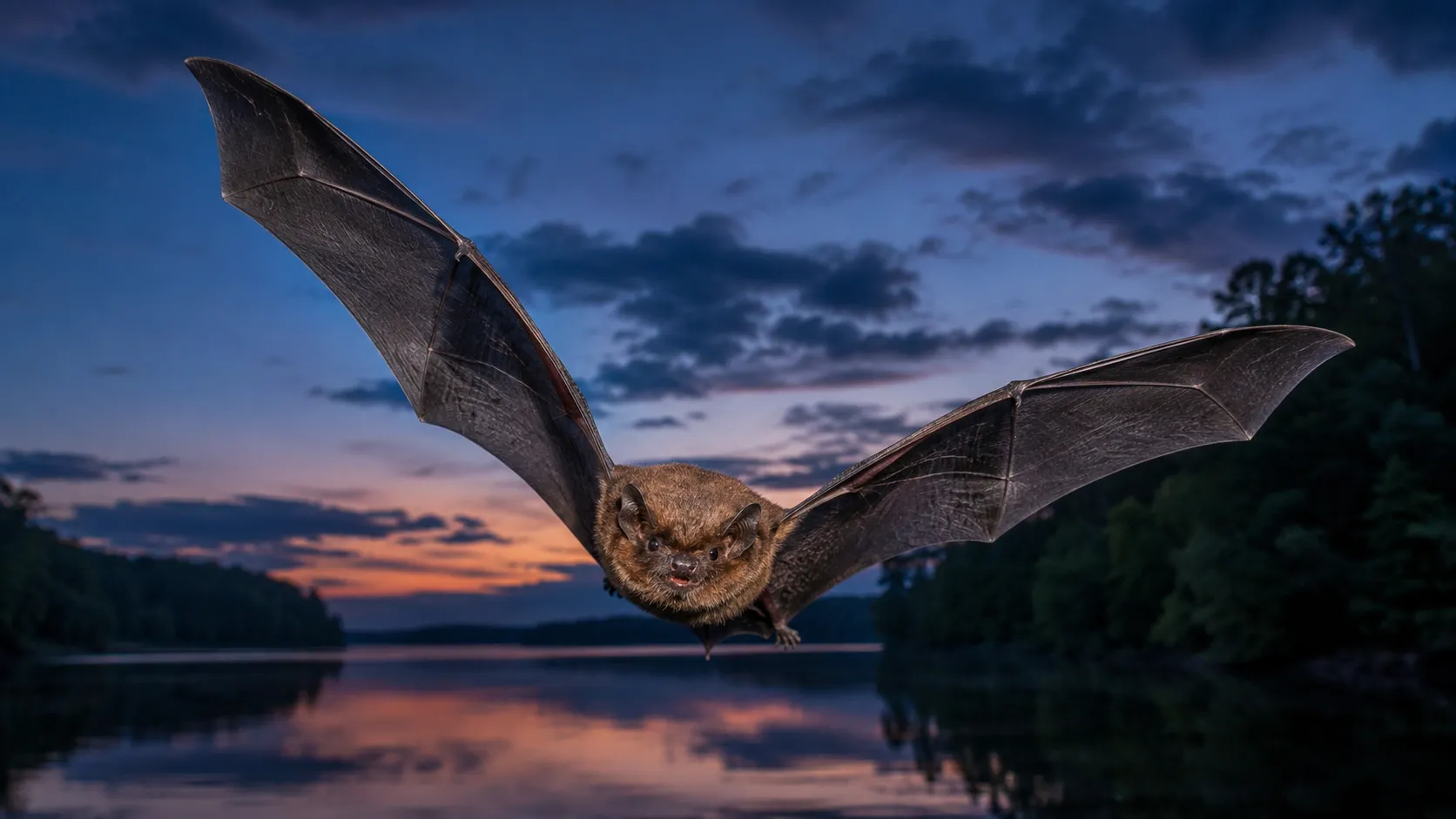
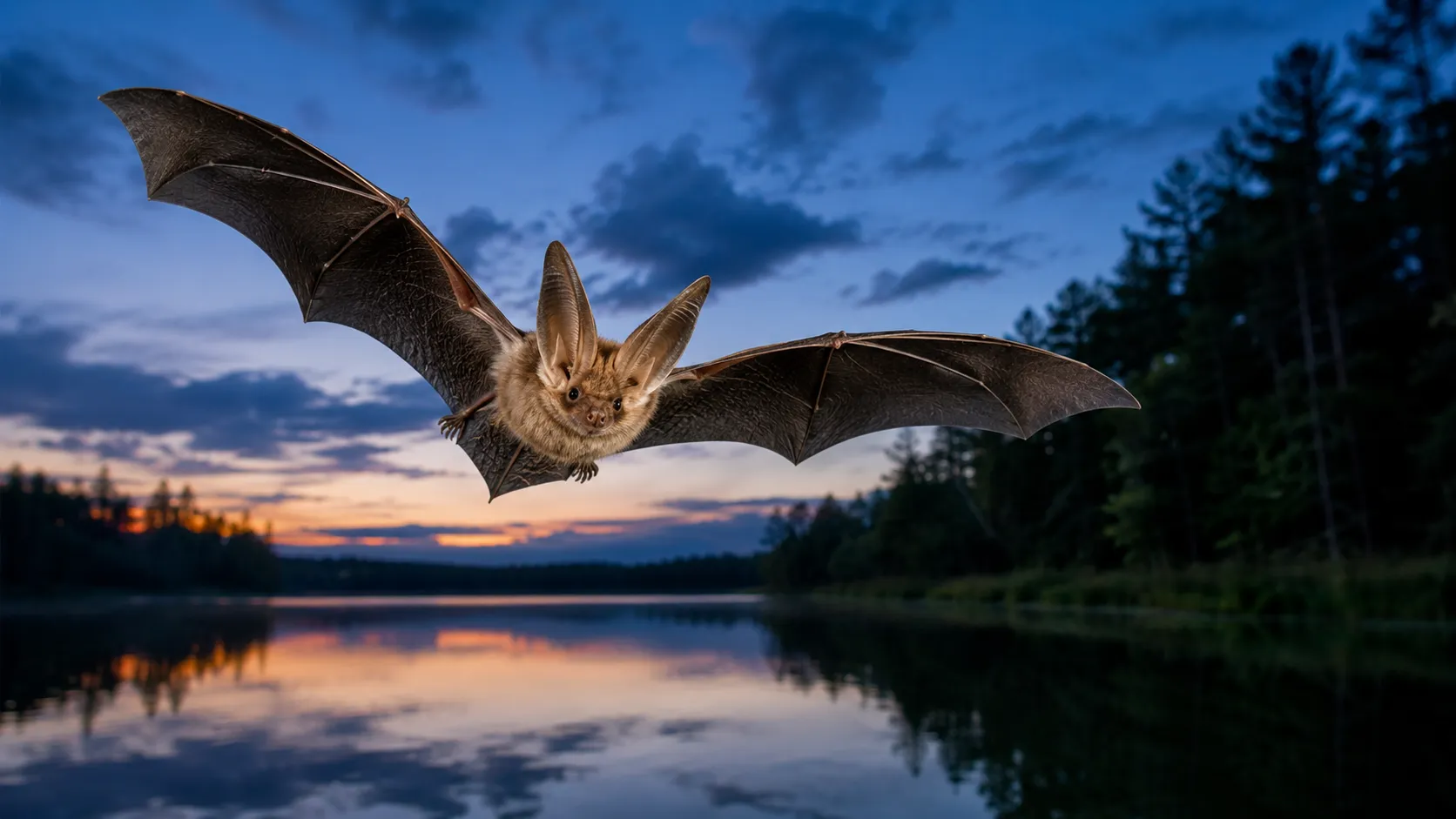
Bats belong in the mammal guide. They are Maryland’s only flying mammals, insect predators, roost users, and one of the wildlife groups where public education must stay especially careful.

Use this page to understand normal bat activity, building use, protected status, seasonal exclusion limits, and why only properly authorized pathways should be used when bats are in or around structures.

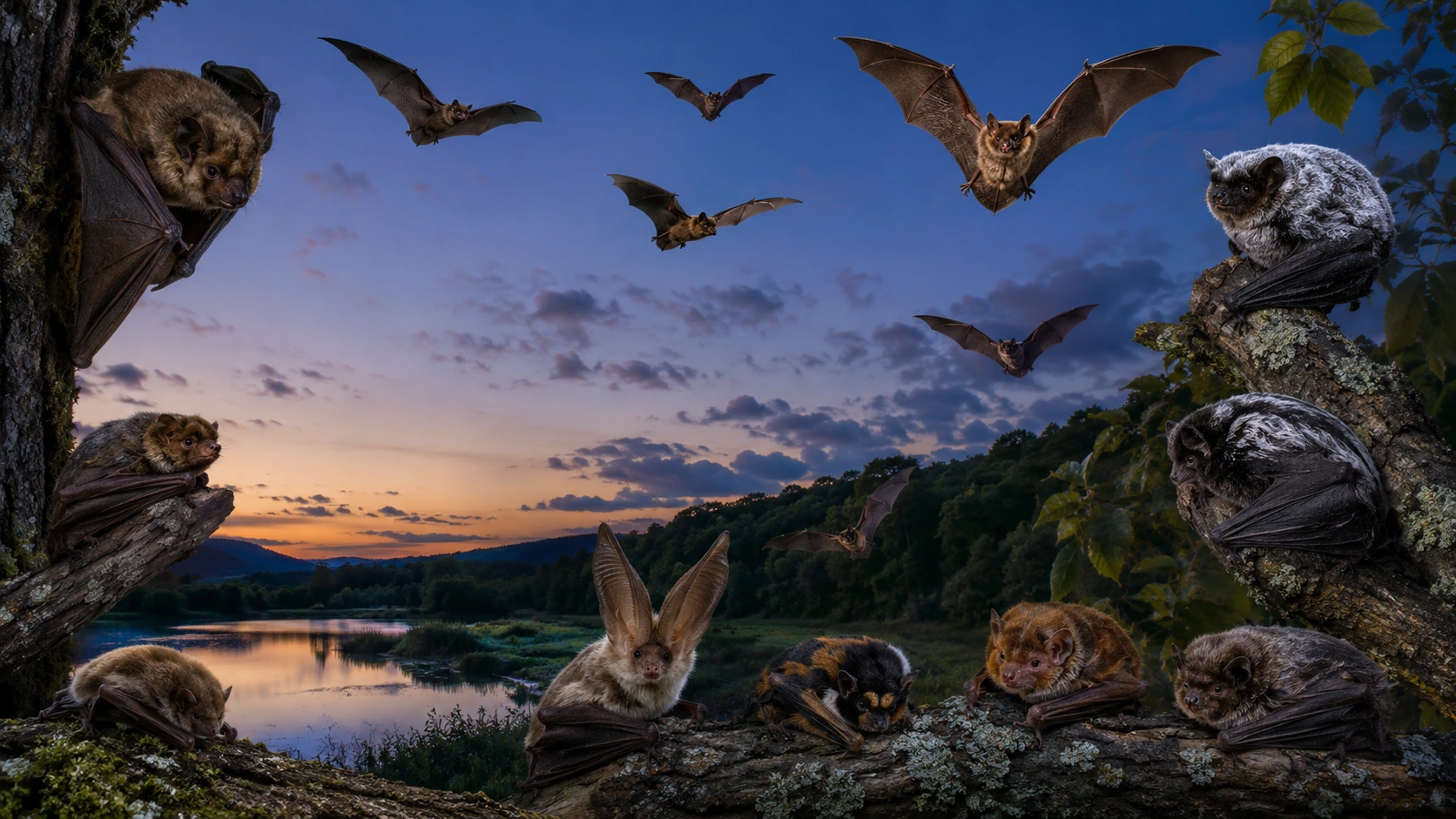
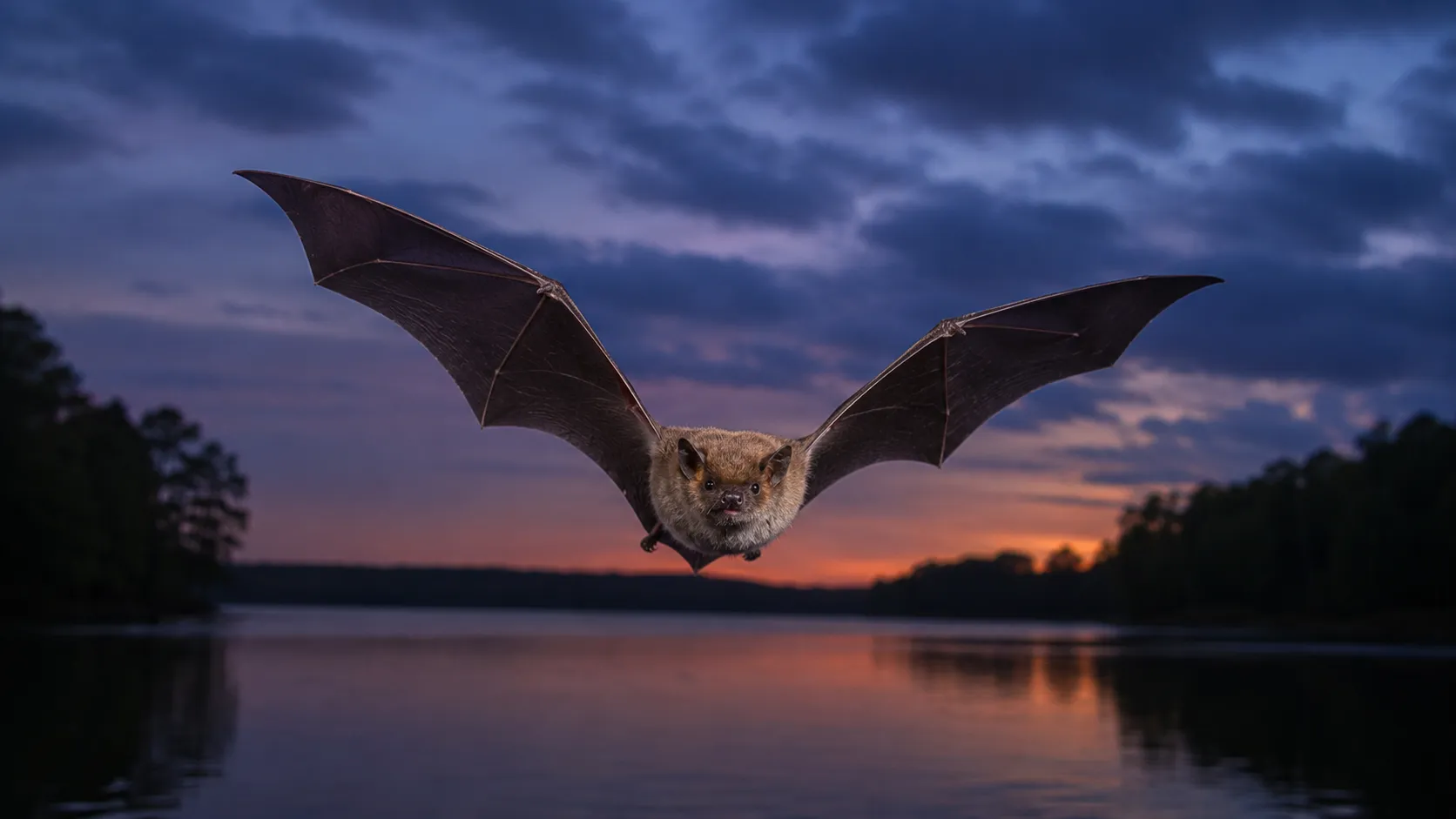
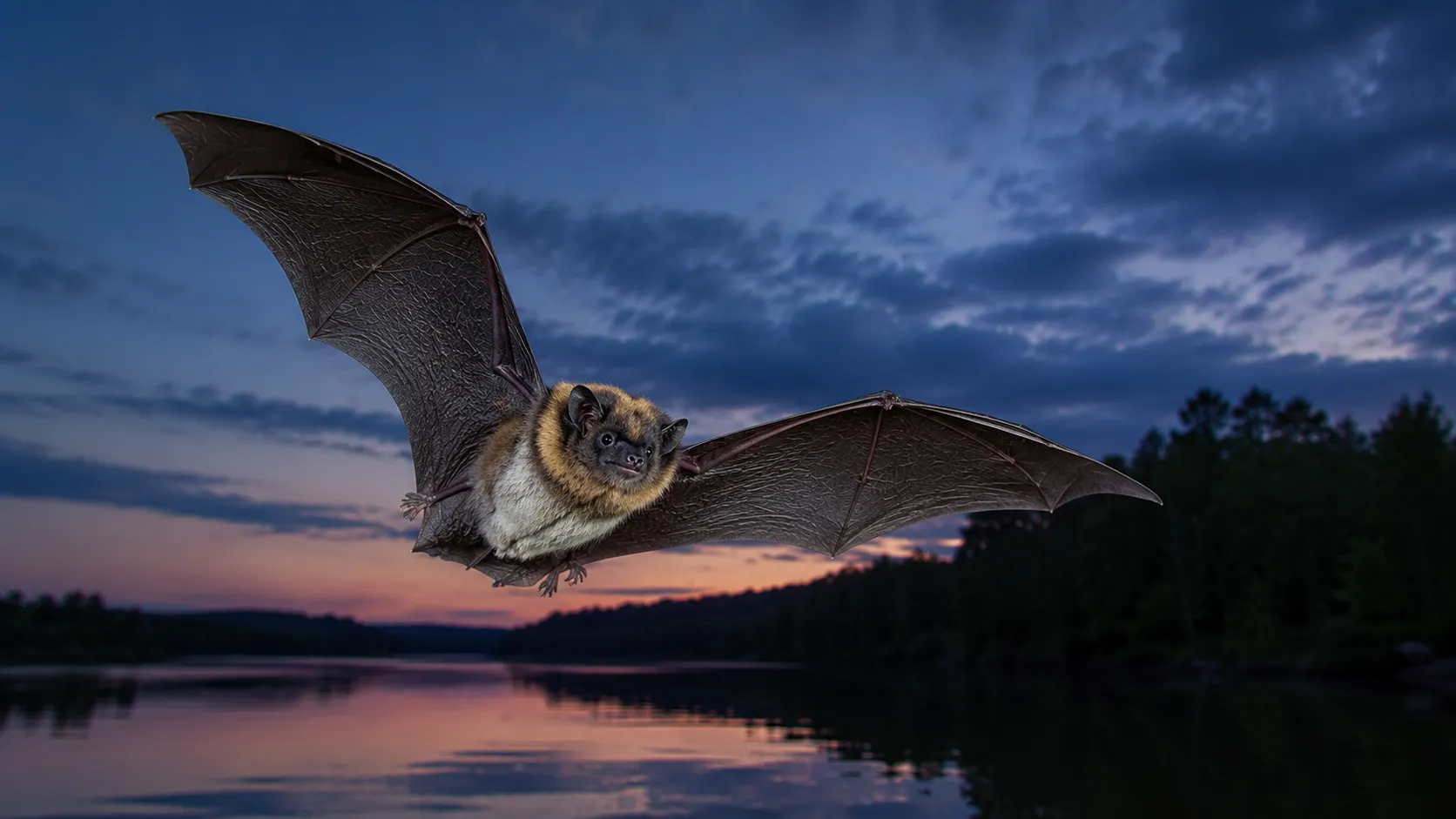
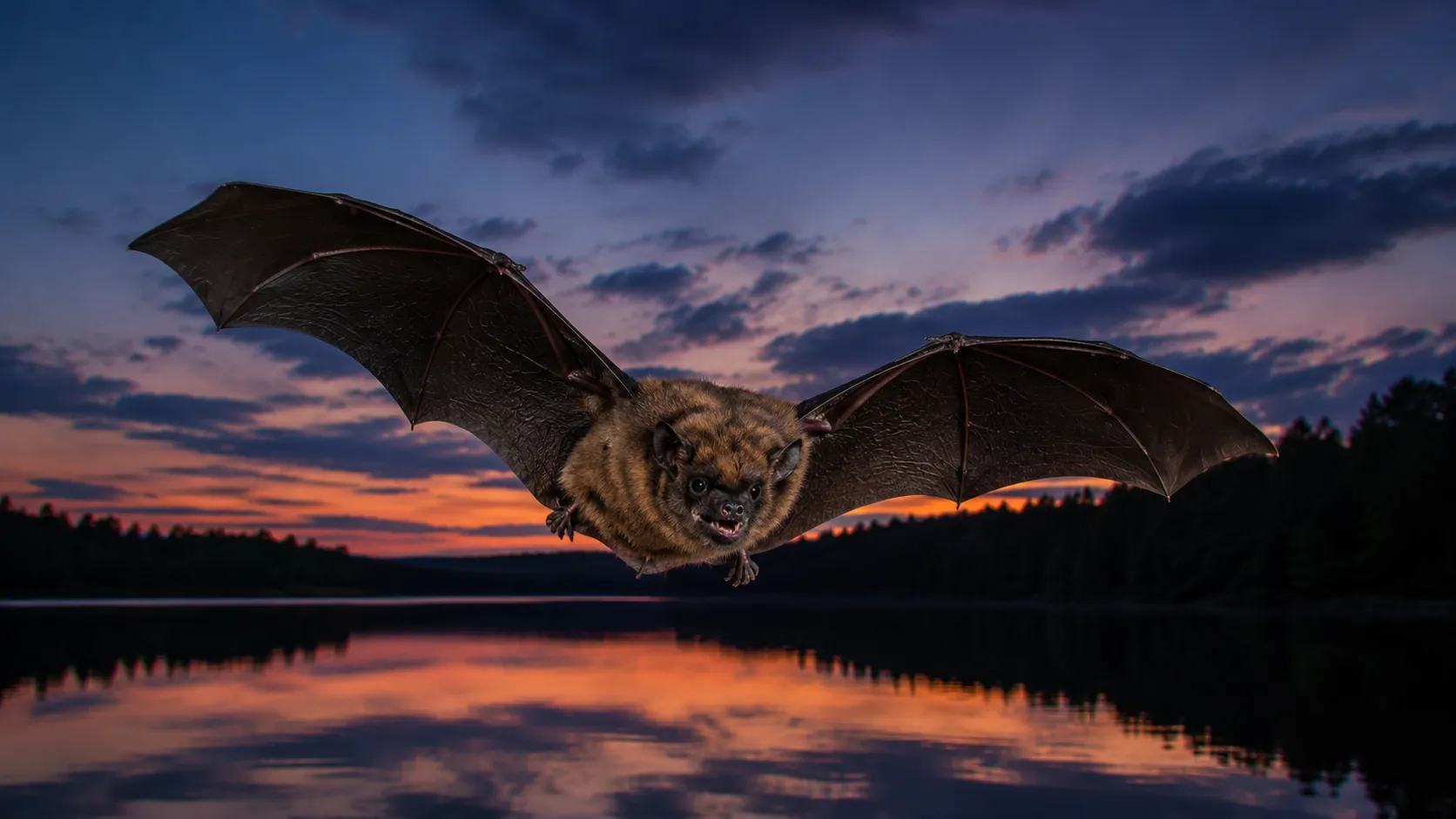
Wildlife profileMaryland wildlife guide collage representing bat habitat and nocturnal field observation
Bat guidance should begin with mammal biology, roost timing, exposure screening, protected status, and lawful exclusion boundaries.

Professional field lens

Read Bats as part of a larger Maryland system.

A strong wildlife profile should not end at identification. Use this page to connect the animal to habitat structure, seasonal windows, field signs, public-land choices, public education, and low-impact observation.

Word pronunciation

BatsBATS

Use this plain-language cue when reading the profile name aloud.

Maryland bat profiles

Maryland bat species profiles

Maryland DNR recognizes ten bat species in the state. Use these individual profiles to separate tree bats from cave bats, structure-associated species from rare crevice specialists, and ordinary night feeding from protected-season or WDCO-sensitive structure questions.

Tree bat

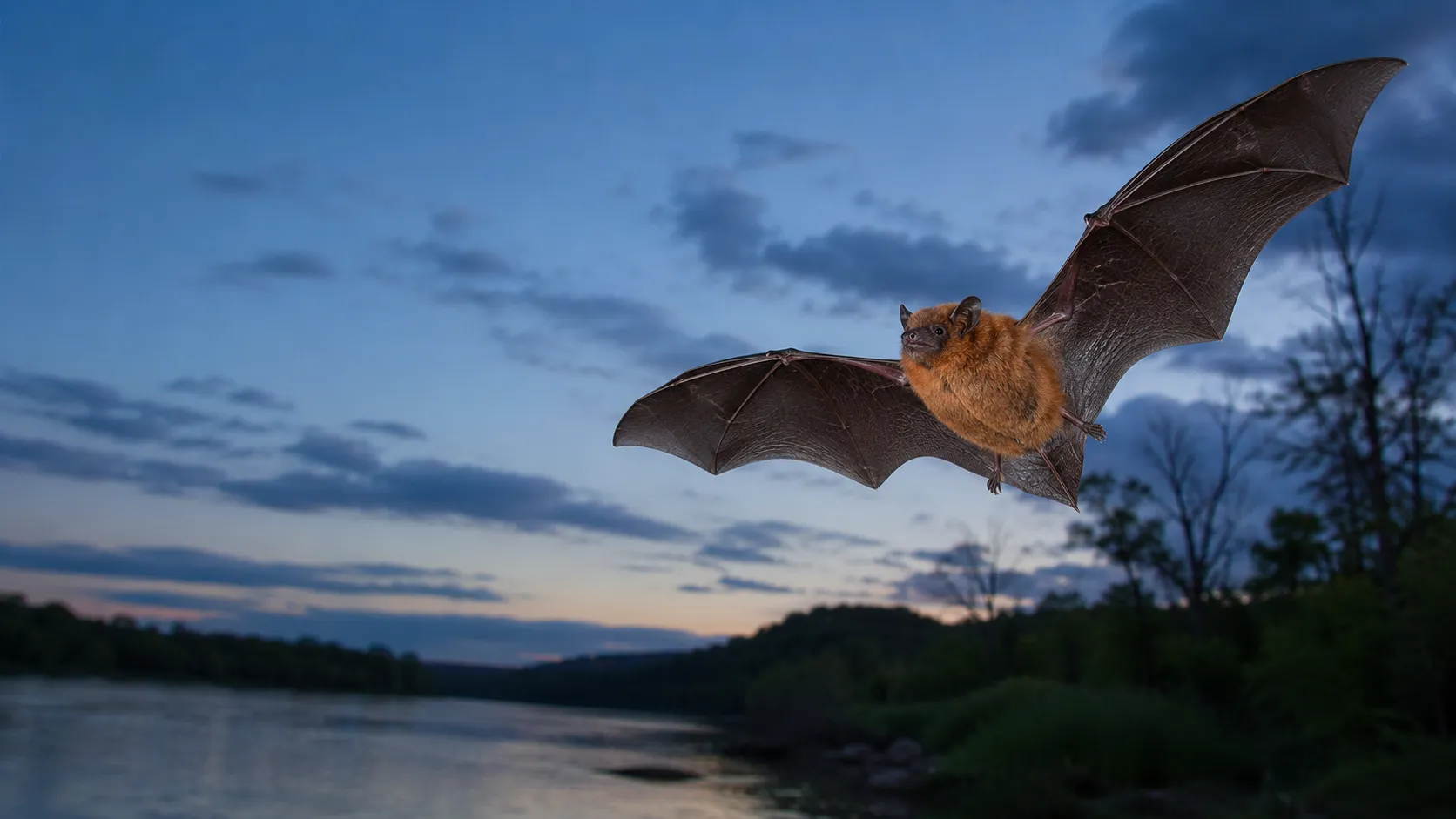
Eastern Red Bat

Lasiurus borealis · Species of Greatest Conservation Need; ranked vulnerable/apparently secure (S3S4) in Maryland.

Solitary roosts among leaves in trees, often south-facing deciduous trees, with feeding along edges, clearings, wetlands, yards, meadows, and wooded corridors.

Tree bat

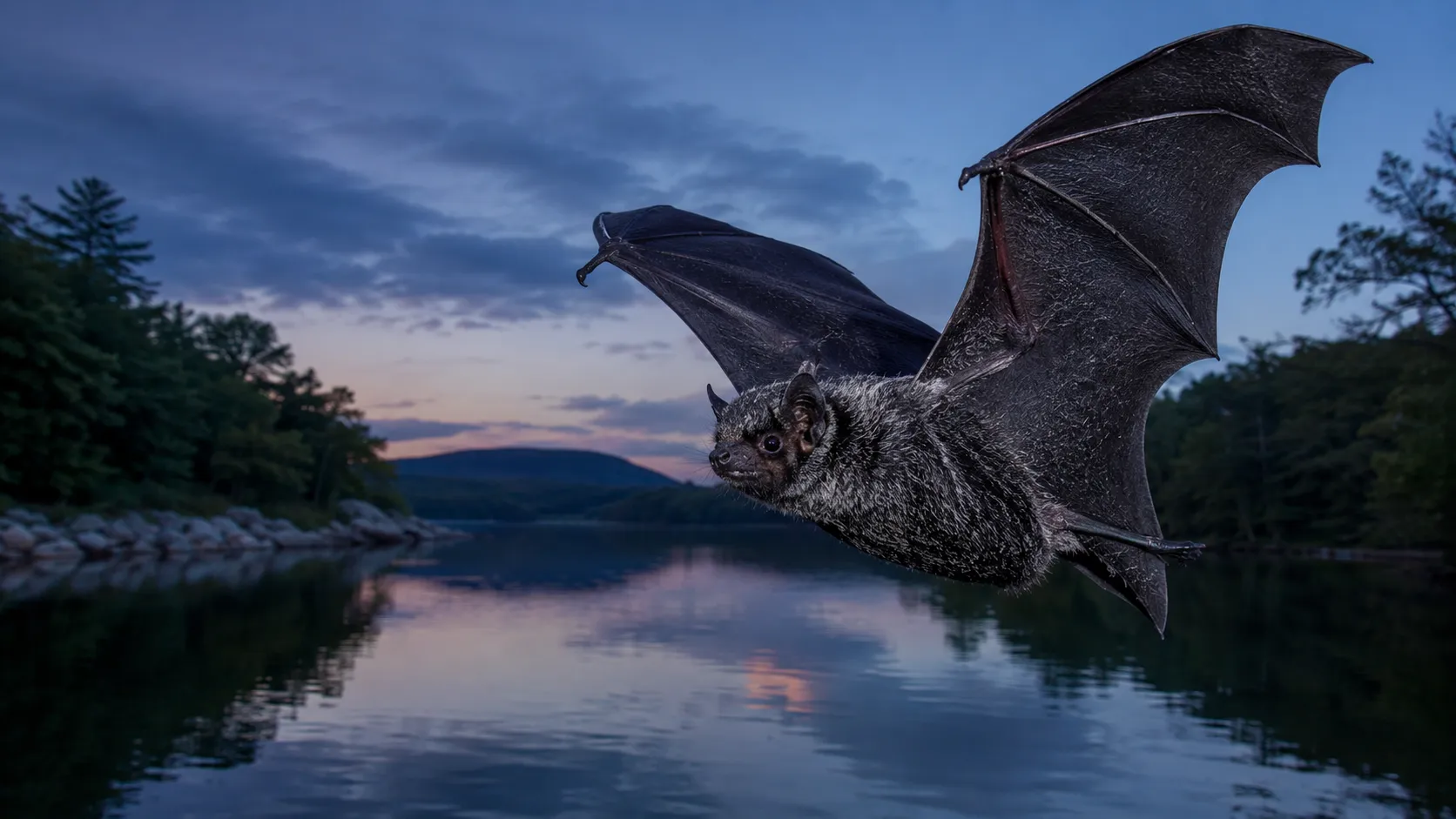
Hoary Bat

Lasiurus cinereus · Species of Greatest Conservation Need; ranked vulnerable/apparently secure (S3S4) in Maryland.

Solitary roosts in trees, often conifers near cleared areas, with feeding over openings, edges, and water where moths and other night insects are active.

Tree bat

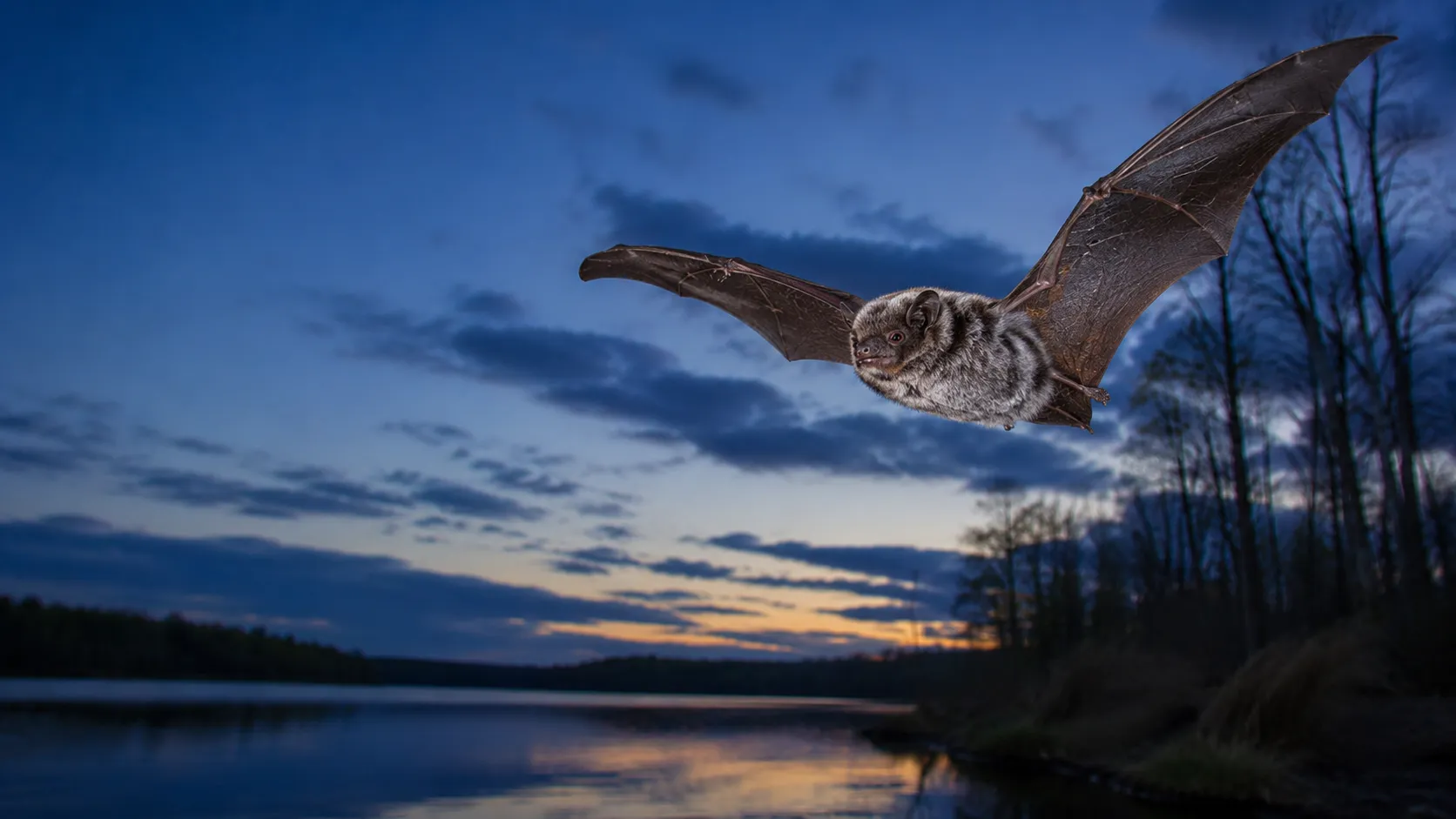
Silver-Haired Bat

Lasionycteris noctivagans · Species of Greatest Conservation Need; status ranked unknown (SU) in Maryland.

Loose bark, rock crevices, leaf clumps, woodpecker holes, bird nests, and sometimes open sheds, garages, or outbuildings.

Tree and structure-using bat

Evening Bat

Nycticeius humeralis · Species of Greatest Conservation Need in Maryland.

Large colonies in buildings or smaller colonies under loose bark and within hollow trees; feeding over edges, yards, water, and insect-rich open space.

Cave bat

Eastern Small-Footed Bat

Myotis leibii · Species of Greatest Conservation Need; state endangered and highly state rare (S1) in Maryland.

Summer roosts in rock crevices, under boulders, in quarries, and very rarely in buildings; winter roosts in caves and mines.

Cave and structure-using bat

Little Brown Bat

Myotis lucifugus · Species of Greatest Conservation Need; highly state rare (S1) in Maryland after dramatic white-nose syndrome declines.

Hot dry attics, shingles, shutters, siding, bat houses, caves, and mines, with winter hibernation often in caves or mines.

Cave and forest-roosting bat

Northern Long-Eared Bat

Myotis septentrionalis · State and federally endangered; protected under Maryland nongame and endangered species law.

Summer roosts in buildings, hollow trees, behind shutters, under loose bark, and under shingles; winter roosts in caves and mines, often in cracks and crevices.

Cave and forest-roosting bat

Indiana Bat

Myotis sodalis · Species of Greatest Conservation Need; federally endangered and highly state rare/endangered in Maryland.

Summer roosts under loose bark, in hollow trees, and sometimes buildings; winter hibernation in limestone caves or mines, often with specific microclimate needs.

Cave bat

Tricolored Bat

Perimyotis subflavus · Species of Greatest Conservation Need; highly state rare (S1) in Maryland after white-nose syndrome declines.

Summer roosts in clumps of leaves and sometimes open houses or buildings; winter roosts in caves, rock crevices, and mines.

Cave, bridge, tree, and structure-using bat

Big Brown Bat

Eptesicus fuscus · Species of Greatest Conservation Need in Maryland, with DNR noting white-nose syndrome decline and some hibernacula rebound.

Buildings, bridges, hollow trees, loose bark, shutters, caves, and mines, with winter roosting possible in buildings as well as underground sites.

At first glance

Start with habitat before the animal

Ask what water, cover, food, edge, light, and human pressure are doing. The same species can read differently in a marsh, ravine, stream bottom, cove, older woods, or suburban edge.

Browse wildlife by habitat

Timing window

Treat season as part of the identification

Breeding, migration, leaf-off sightlines, high water, low water, dawn, dusk, heat, cold, and food availability can change what is visible and what should be left undisturbed.

Browse wildlife by season

Glossary links

Use field terms as working links

When a profile mentions field sign, edge cover, refuge pools, older woods, tidal rivers, coves, or stream bottoms, follow the glossary to the habitat and place pages that explain the term.

Open the glossary

Low-impact method

Watch without pressuring the animal

Keep distance, avoid repeated approaches, respect nests and dens, stay on durable surfaces where appropriate, and verify official access rules before sensitive outings.

Read field ethics

Maryland profile depth

Use the bat page as a mammal profile, protected-status guide, and structure-use boundary page.

Mammal lens

Bats belong in the mammal guide: they have hair, nurse young, fly with hand-wing anatomy, and use roosts that change by season.

Legal timing

Bat pages must mention active colony season, maternity/pup risk, protected species status, and the need to avoid sealing active openings at the wrong time.

Next guide

Use the bats-in-structures guide when the public question involves indoor bats, entry points, guano, roof gaps, exclusion, or WDCO authorization.

Open related guide

Professional Maryland guide notes

Field-depth standard for Bats

A professional bat page starts with mammals, night insect ecology, roost timing, protected status, exposure screening, and limited lawful exclusion pathways.

Maryland range

Maryland has ten bat species. Readers may encounter bats around forests, wetlands, streams, fields, bridges, barns, homes, caves, mines, bark, cavities, and dusk insect concentrations.

Habitat lens

Roosts and feeding corridors matter: tree cavities, loose bark, shutters, eaves, attics, barns, bridges, caves, mines, water, edges, and insect-rich airspace.

Seasonal cue

Warm-season maternity colonies, the March 1 to August 31 active colony period, fall movement, and winter hibernation/overwintering change what work is appropriate.

Public education

Indoor bats, possible contact, active colonies, pups, or structure entry should move readers toward health, Maryland DNR, Wildlife & Heritage Service, or bat-authorized WDCO guidance.

Field signs to verify

  • Dusk emergence or dawn return at a repeat roofline, soffit, shutter, fascia, chimney, or siding gap.
  • Small dark droppings under a roost route, rub marks near a gap, or repeated odor/noise from a void.
  • Fast, fluttering insect-feeding flight around lights, water, forest gaps, or field edges.
  • Seasonal activity that changes with warm weather, young-of-year movement, fall dispersal, or winter disturbance.

Look-alike and misread risk

Chimney swifts, swallows, moths, and distant small birds can be confused with bats. Flight pattern, timing, roost behavior, and repeated entry points are better cues than one quick glimpse.

Public-education boundary

Bats are not a routine same-day sealing problem. Keep distance, screen exposure questions first, do not use chemicals, avoid blocking active openings, and use current Maryland DNR or bat-authorized WDCO pathways when exclusion is needed.

Continue with related Maryland guide pages

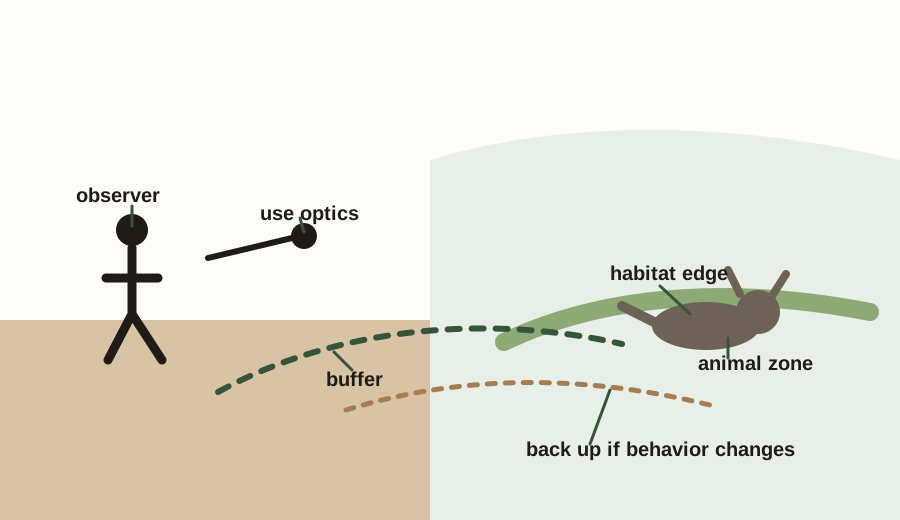
Wildlife observation distance diagram showing observer, buffer, habitat, and animal behavior zone.

Observation card

Watch without crowding

Read the animal through habitat, movement, sound, and behavior. Distance is part of the observation, not a barrier to it.

Habitat first

Notice food, cover, water, edge, perch, den, scrape, or travel route before focusing on the animal alone.

Behavior sets distance

Back up if the animal stops feeding, watches you, changes path, vocalizes, flushes, or hides.

Use optics

Binoculars, quiet pauses, and side-on positioning create better observations than approach.

Field check

  • Stay on durable surfaces.
  • Do not feed or call wildlife.
  • Use zoom instead of approach.
  • Leave before behavior changes.

Quick field read

Bats are not birds, rodents, or insects. They are mammals with hair, wings formed from hand structure, young that nurse, and a strong dependence on roost timing, temperature, insects, and safe night movement.

Mammal, not rodent

Maryland DNR describes bats as mammals and the only mammals that can fly. They belong in the mammal section of this wildlife guide.

Tree and cave bats

Maryland bats include tree-roosting and cave-roosting species. Some use buildings seasonally when warm, sheltered roost space mimics natural cavities.

Insect value

Maryland bats feed on night-flying insects and can be important to public education about habitat, pesticide awareness, and healthy night landscapes.

Protected status and seasonal sensitivity

Bat pages should not read like ordinary removal advice. Maryland bats include species with conservation concern, and all bat situations should be handled as legally and biologically sensitive until official guidance or a properly authorized professional says otherwise.

Conservation status

Maryland DNR identifies all ten Maryland bat species as Species of Greatest Conservation Need. Some species, including northern long-eared bat and Indiana bat, carry endangered status or rare-species concern.

Active colony season

The March 1 to August 31 active colony period is especially sensitive because maternity colonies and non-flying pups may be present. Bad timing can trap young or push bats into living spaces.

Preferred exclusion window

DNR guidance points readers toward September 1 to March 1 for exclusion and sealing when bats are not hibernating in the building, with official contact when colony size, listed species, or pups are involved.

When bats are in or around a house

A bat feeding outdoors near porch lights, trees, ponds, or insects is not the same as a bat entering a building. A bat inside living space, repeated exit from a gap, guano under a route, staining, sound in a void, or multiple bats returning at dawn should move the situation into a slower decision path.

Use the conservative house-call sequence
  • Ask first whether any person or pet may have had contact or possible contact.
  • Do not handle a bat barehanded or treat an indoor bat as a routine cleanup problem.
  • Watch from outside at dusk before blocking gaps.
  • Do not seal active openings before timing, occupancy, and legal boundaries are understood.
  • Assume young, maternity timing, protected species, or hibernation may change the correct path.
  • Use official health, agency, or properly authorized professional help when contact, structure use, or uncertainty exists.

Limited WDCO work and legal boundary

Important boundary

Wildlife Damage Control Operator (WDCO) authorization for bats is limited and specific. A generic wildlife-control frame is not enough: Maryland DNR states that nuisance bat work requires a Maryland WDCO permit and that the permit must explicitly include bats. During the active colony season, a Letter of Exemption process may be required before actual exclusion work begins.

Maryland Wilderness does not authorize bat handling, relocation, exclusion timing, pesticide use, health decisions, or legal decisions. It helps readers recognize why bats require the official path.

Elite field note: bats require the slow path

A bat feeding over a yard at dusk is a natural-history moment. A bat in living space, staining near an opening, sound in a wall, guano under a route, or repeated dawn returns is a different question entirely.

The elite guide standard is caution: screen for possible contact, observe before sealing, respect maternity and hibernation timing, and use the official or properly authorized path when structure use is possible.

Keep reading

Bat field judgment

Separate outdoor bat activity from structure-entry concerns.

A good bat page should slow the reader down: dusk feeding, possible roosting, exposure concerns, exclusion timing, and official guidance are different questions.

Best use

Clarify what happened

Was the bat outside feeding, seen at a roofline, found indoors, or associated with a possible bite or sleeping area? Each case needs a different next step.

Elite move

Watch the exit pattern without sealing anything

Repeated dusk exits from one opening are more useful than scattered sightings around lights. Avoid blocking openings during sensitive periods.

Common mistake

Treating all bat sightings as emergencies

Outdoor feeding bats are normal. Indoor bats, contact concerns, and colony entry points require calmer, more specific action.

Next step

Use official health and wildlife guidance

For exposure questions, use health guidance. For exclusion or colony issues, use licensed/official wildlife pathways.

Field cues to carry forward

  • Dusk exit direction matters more than a single pass overhead.
  • Guano below a seam can be more diagnostic than sound alone.
  • Do not seal a suspected active roost without checking timing and legal guidance.
  • Document location, date, and behavior before calling.

Official source check: bats

Verify bat timing, health, and permit questions before acting.

Bat pages are source-checked against Maryland DNR bat-in-house and wildlife-damage-control pathways because structure work can involve exposure screening, maternity timing, protected species, and WDCO authorization that specifically includes bats.

Source-check refresh: May 7, 2026. Verify current rules, closures, permits, seasons, health guidance, and access conditions with the official agency before acting.

Bat timing

Bat guidance changes sharply by season.

During Maryland’s active colony period, bat pages should move slowly: single-bat living-space questions, possible contact, maternity timing, colony size, listed species, and properly authorized Wildlife Damage Control Operator (WDCO) work all change the correct next step.

Seasonal review refresh: May 7, 2026. Always verify current rules, closures, permits, seasons, and protected-species instructions with Maryland DNR, the county health department, or the official land manager before acting.

Spring

Breeding windows, vernal pools, nesting birds, young wildlife, high water, mud season, and bat colony formation can make ordinary field behavior too intrusive.

Summer

Heat, storms, ticks, snakes, beach protections, nesting colonies, flightless young, and bat maternity timing should push readers toward shade, distance, and official timing checks.

Autumn

Migration, mast, rut movement, hunting seasons, bear food pressure, leaf-off visibility, and falling temperatures change both wildlife behavior and public-land use.

Winter

Ice, hypothermia, road closures, waterfowl concentration, denning, hibernation, and low daylight require conservative trip planning and no-disturbance wildlife observation.

Protected-species guide trail

Follow the bat trail from species ID to house-call boundaries.

Use this path when a bat question moves between natural history, protected-season timing, indoor exposure, structure entry, and limited Maryland WDCO work.

Term paths

Use glossary terms to move between wildlife, habitat, and service pages.

Blue dotted glossary terms open quick definitions. These hubs collect the vocabulary that helps readers find the right department faster.

Wildlife glossary Animal signs, behavior, health, and structure-use terms Tracks, scat, home range, den sites, rabies-vector language, and wildlife-conflict terms. Flora & fauna glossary Ecology, habitat, food-web, and biodiversity terms Use this path for environmental science vocabulary that connects species to habitat. Site search Search a term, animal, place, service, or activity Use search when the glossary popup is not enough and a page-level route is needed.

Interoperable guide system

Continue through Wildlife

Use the previous/next links for this department, then jump sideways into the related Maryland Wilderness departments that help explain the same outing, animal, place, or season.