
Flora profile
White Oak
White oak gives the flora and fauna system a mast-tree anchor. Acorns, canopy, cavities, leaf litter, and age structure all help explain forest wildlife patterns.
Read this plant as part of a Maryland system: habitat, season, water, cover, insects, birds, mammals, and low-impact field observation.
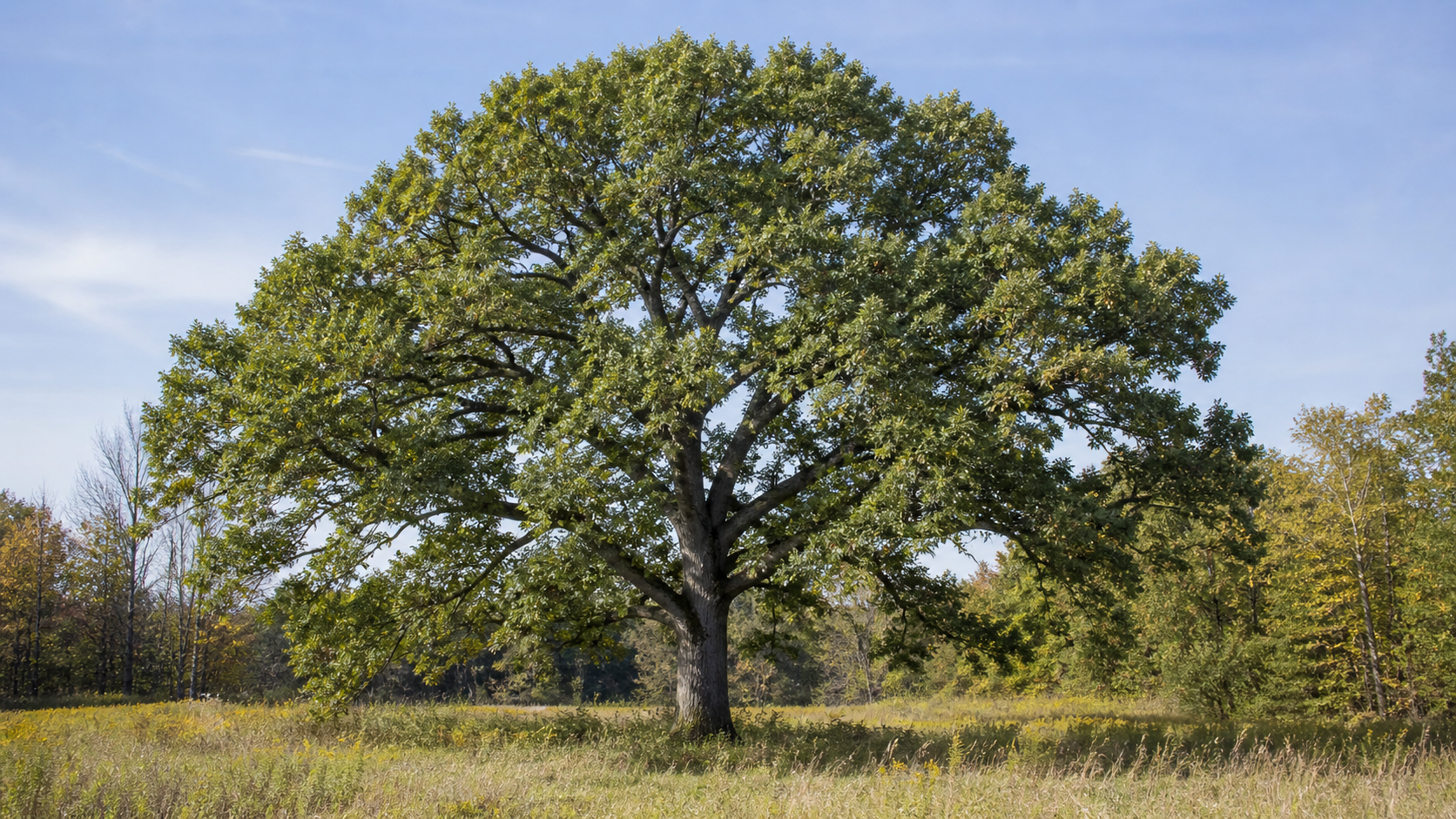
Profile details
How to read White Oak in Maryland.
Interconnected reading
Where this profile should send the reader next.
Paired guide
White-tailed Deer
Use this next step to connect White Oak with wildlife, habitat, timing, or field method.
Paired guide
Wild Turkey
Use this next step to connect White Oak with wildlife, habitat, timing, or field method.
Paired guide
Mountain forest
Use this next step to connect White Oak with wildlife, habitat, timing, or field method.
Use standard
Observe without collecting or exposing sensitive locations.
Use this page to improve field reading. Do not remove plants, seed, bark, flowers, fruit, nests, eggs, shells, or animals from public land unless current rules clearly allow it. For plant nativity, county records, rare status, and regulated handling, verify with official Maryland sources before publishing location-specific claims.