Maryland system Interoperable departments Field article Wildlife profile

Wildlife profile

Striped Skunk

Skunk pages should help readers connect odor, small digging, den entrances, pet encounters, grubs, garbage, compost, and under-structure shelter.

Skunk problems often involve pets, odor, and rabies concern. Readers should avoid handling, keep pets away, reduce attractants, and use local health or qualified wildlife help when behavior, exposure, or denning is uncertain.

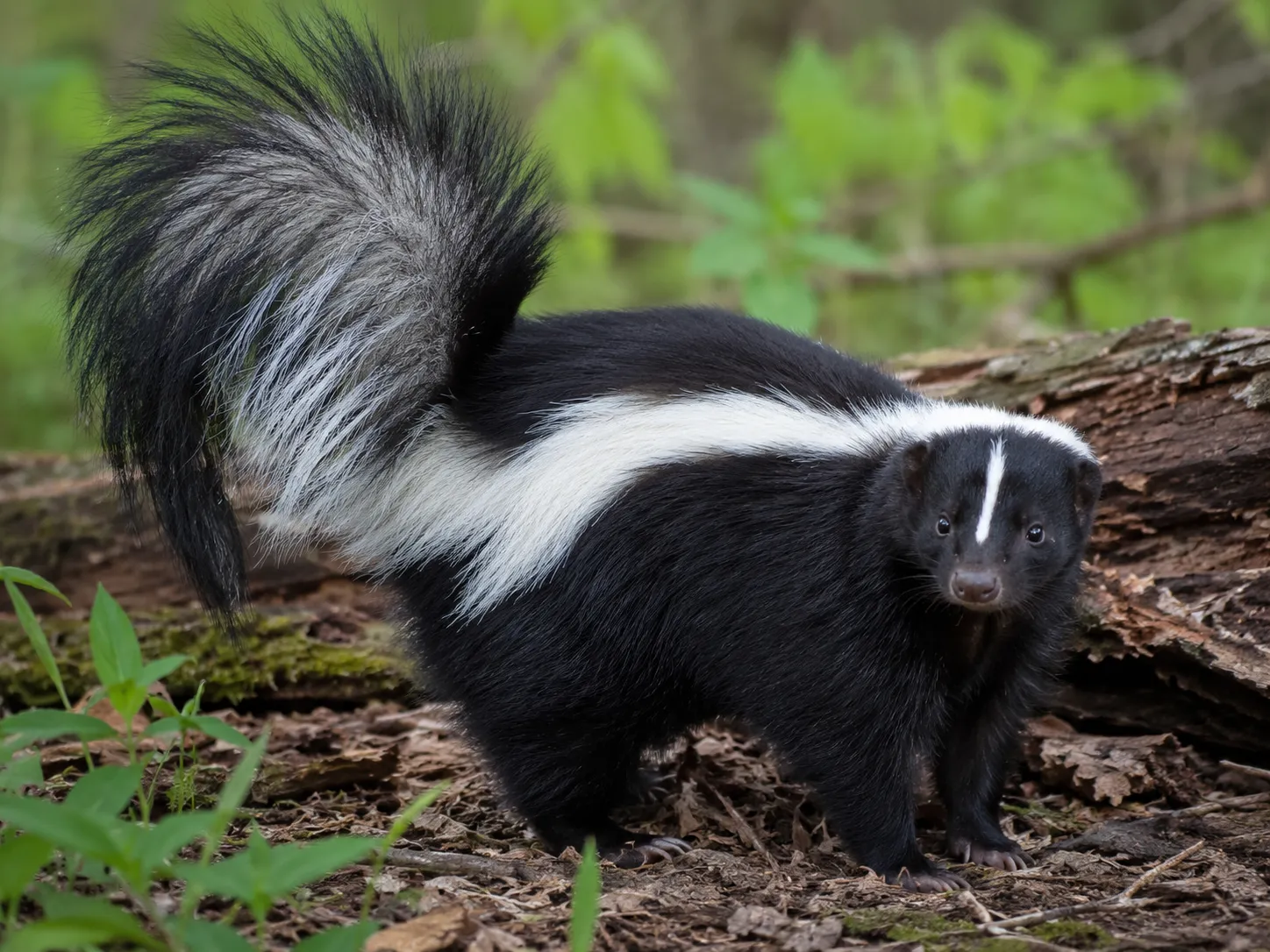
Wildlife profile Striped skunk in Maryland edge habitat
Striped skunks turn yards, crawlspaces, pets, and odor into public-education questions about attractants and denning season.

Professional field lens

Read Striped Skunk as part of a larger Maryland system.

A strong wildlife profile should not end at identification. Use this page to connect the animal to habitat structure, seasonal windows, field signs, public-land choices, public education, and low-impact observation.

Word pronunciation

Striped SkunkSTRYPD SKUHNK

Use this plain-language cue when reading the profile name aloud.

At first glance

Start with habitat before the animal

Ask what water, cover, food, edge, light, and human pressure are doing. The same species can read differently in a marsh, ravine, stream bottom, cove, older woods, or suburban edge.

Browse wildlife by habitat

Timing window

Treat season as part of the identification

Breeding, migration, leaf-off sightlines, high water, low water, dawn, dusk, heat, cold, and food availability can change what is visible and what should be left undisturbed.

Browse wildlife by season

Glossary links

Use field terms as working links

When a profile mentions field sign, edge cover, refuge pools, older woods, tidal rivers, coves, or stream bottoms, follow the glossary to the habitat and place pages that explain the term.

Open the glossary

Low-impact method

Watch without pressuring the animal

Keep distance, avoid repeated approaches, respect nests and dens, stay on durable surfaces where appropriate, and verify official access rules before sensitive outings.

Read field ethics

Maryland profile depth

Use the Striped Skunk page as a Maryland field profile with habitat, season, and public-education boundaries.

Attractant lens

Read skunk activity through den cover, pet food, garbage, compost, grubs, and night movement rather than odor alone.

Health boundary

Pet contact, abnormal behavior, bites, or possible exposure should move readers toward local health guidance or qualified help, not DIY handling.

Next guide

Use the around-buildings guide when skunk activity centers on porches, sheds, crawlspaces, or foundation edges.

Open related guide

Quick field read

Skunk pages should help readers connect odor, small digging, den entrances, pet encounters, grubs, garbage, compost, and under-structure shelter.

Habitat first

woodland edges, yards, brush piles, field margins, culverts, sheds, porches, decks, and other sheltered edge spaces.

Timing matters

night activity is most common; spring denning and young can make exclusion or disturbance decisions more sensitive.

Public education boundary

Skunk problems often involve pets, odor, and rabies concern. Readers should avoid handling, keep pets away, reduce attractants, and use local health or qualified wildlife help when behavior, exposure, or denning is uncertain.

How to use this profile

This page is built as a practical Maryland field guide entry. Use it to connect the animal to habitat, season, field signs, human-wildlife boundaries, and the next guide trail rather than treating identification as the whole story.

Field-use checklist
  • Start with habitat and season before relying on a quick visual impression.
  • Use field signs, sound, movement, food, cover, and nearby water or structure to refine the read.
  • Keep distance and avoid handling, harassment, relocation, or exact-location pressure.
  • Use official agency, health, land-manager, rehabilitator, or qualified professional paths when safety, rules, permits, or property damage are involved.

Related guide trail

Species field note

Read Striped Skunk through setting, season, and behavior.

Striped Skunk becomes more useful in the field when the sighting is tied to habitat, timing, and Maryland context instead of treated as an isolated ID moment.

Best use

Start with the setting

Confirm whether the place fits this profile: field edges, hedgerows, sheds, decks, crawlspaces, open woods, farm lanes, lawns, and brushy suburban margins.

Elite move

Watch behavior before naming it

Movement, posture, sound, feeding, cover, distance, and response to people can turn a quick sighting into a stronger observation.

Common mistake

Forcing one clue too hard

Do not rely on a single glimpse, call, track, or photo without checking season, light, scale, and look-alikes.

Next step

Pair with habitat and place

Use the Maryland context — statewide in Maryland where open feeding areas and den cover overlap, especially yards, farms, parks, and building edges — to choose a better follow-up page or outing.

Field cues to carry forward

  • Best Maryland timing: night activity is most common; late winter breeding, spring denning, and young can make exclusion or disturbance decisions more sensitive.
  • Best habitat lens: field edges, hedgerows, sheds, decks, crawlspaces, open woods, farm lanes, lawns, and brushy suburban margins.
  • Best Maryland context: statewide in Maryland where open feeding areas and den cover overlap, especially yards, farms, parks, and building edges.
  • Record date, place, behavior, distance, and habitat before deciding how confident the sighting is.

Seasonal review

Field conditions change the meaning of a guide page.

Season, weather, breeding windows, young wildlife, high water, heat, hunting seasons, closures, and protected-species timing can change what a reader should do next.

Seasonal review refresh: May 7, 2026. Always verify current rules, closures, permits, seasons, and protected-species instructions with Maryland DNR, the county health department, or the official land manager before acting.

Spring

Breeding windows, vernal pools, nesting birds, young wildlife, high water, mud season, and bat colony formation can make ordinary field behavior too intrusive.

Summer

Heat, storms, ticks, snakes, beach protections, nesting colonies, flightless young, and bat maternity timing should push readers toward shade, distance, and official timing checks.

Autumn

Migration, mast, rut movement, hunting seasons, bear food pressure, leaf-off visibility, and falling temperatures change both wildlife behavior and public-land use.

Winter

Ice, hypothermia, road closures, waterfowl concentration, denning, hibernation, and low daylight require conservative trip planning and no-disturbance wildlife observation.

Wildlife guide trail

Keep moving from species ID into habitat, season, place, and field terms.

Use this path when a wildlife profile should connect to the larger Maryland Wilderness field-guide system instead of ending after identification.

Term paths

Use glossary terms to move between wildlife, habitat, and service pages.

Blue dotted glossary terms open quick definitions. These hubs collect the vocabulary that helps readers find the right department faster.

Wildlife glossary Animal signs, behavior, health, and structure-use terms Tracks, scat, home range, den sites, rabies-vector language, and wildlife-conflict terms. Flora & fauna glossary Ecology, habitat, food-web, and biodiversity terms Use this path for environmental science vocabulary that connects species to habitat. Site search Search a term, animal, place, service, or activity Use search when the glossary popup is not enough and a page-level route is needed.

Interoperable guide system

Continue through Wildlife

Use the previous/next links for this department, then jump sideways into the related Maryland Wilderness departments that help explain the same outing, animal, place, or season.