Public-land planner
Best Brook Trout Landscapes
Brook trout country is one of the clearest examples of why a serious site needs landscape planners, not just species pages. The strongest days are about understanding cold water, shade, stream cover, and watershed structure—even when the fish itself stays mostly unseen.
That makes this page useful well beyond angling. It teaches summer refuge, stream ethics, mountain pacing, and why some western corridors feel cold and stable while others do not.
Best western systems
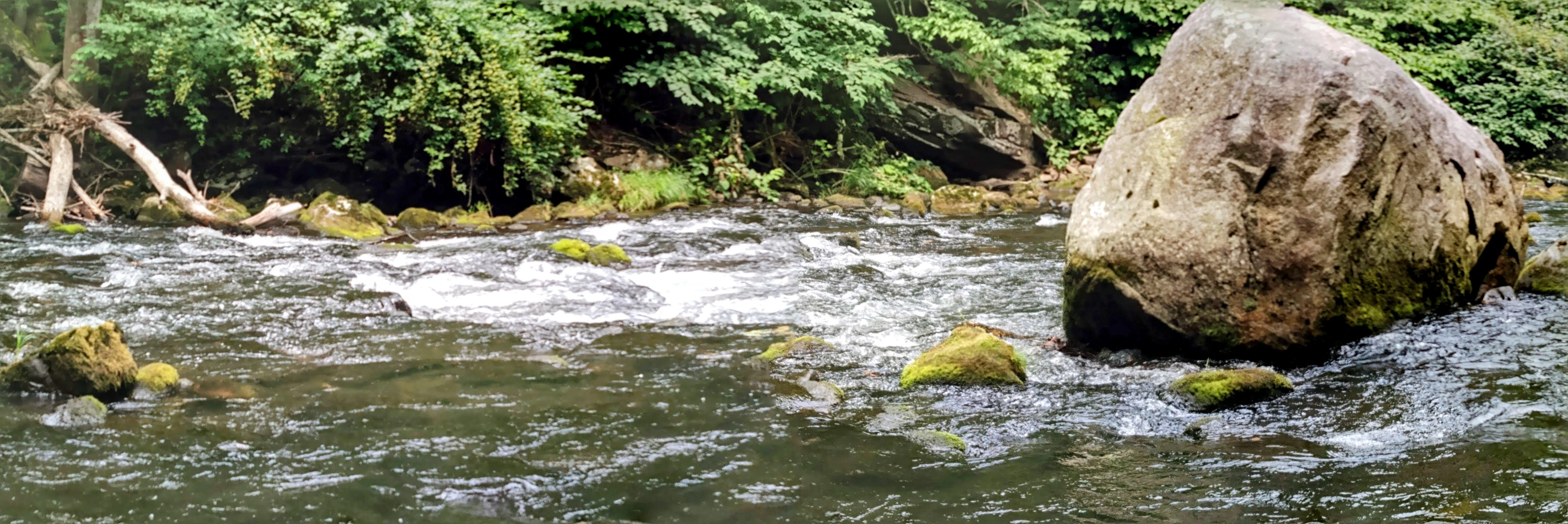
Western Maryland provides the strongest brook-trout landscapes because forest cover, headwater structure, and cooler mountain weather still overlap in visible ways. Savage River country is especially strong because the surrounding habitat teaches almost as much as the stream itself.
How to pace the day
Use one streamside stop, one forest pull-off, one overlook, and one short walk rather than chasing multiple stream names. A slower landscape day almost always teaches more.
What a good trout landscape says
Even when the fish stays hidden, the place should still read clearly: cooler air, darker shade, cleaner water, strong cover, and a corridor that feels protected from heat and disturbance.
Best next pages
Keep the landscape wider than the fish.
Quiet corridor
Savage River Corridor
One of the strongest cold-water landscapes in the state.
Regional frame
Western Mountains
Use the regional page to understand elevation, weather, and mountain pacing.
Discover
What Makes a Healthy Cold-Water Stream
A practical companion for interpreting stream quality before you go.
Planner
What to Look for This Month
Use the month guide to sharpen seasonal expectations.
Why this planner matters
Brook trout pages become more trustworthy when they stay grounded in habitat quality instead of spectacle. This planner supports that approach by teaching readers to value intact mountain-water systems whether or not the fish ever breaks the surface.