
Named gateway
Frostburg & Cumberland Corridor
Frostburg and Cumberland create a different western Maryland experience from Oakland and Deep Creek. The emphasis here is less on lake-country atmosphere and more on ridges, valleys, rail-trail country, transport corridors, overlooks, and the practical junction between mountain travel and service-rich gateway town use.
This corridor works well for readers who want mountain character without committing the whole day to one park. It can support a mixed itinerary of scenic roads, public-land edges, short trail segments, and historically layered town stops that keep the day grounded and varied.
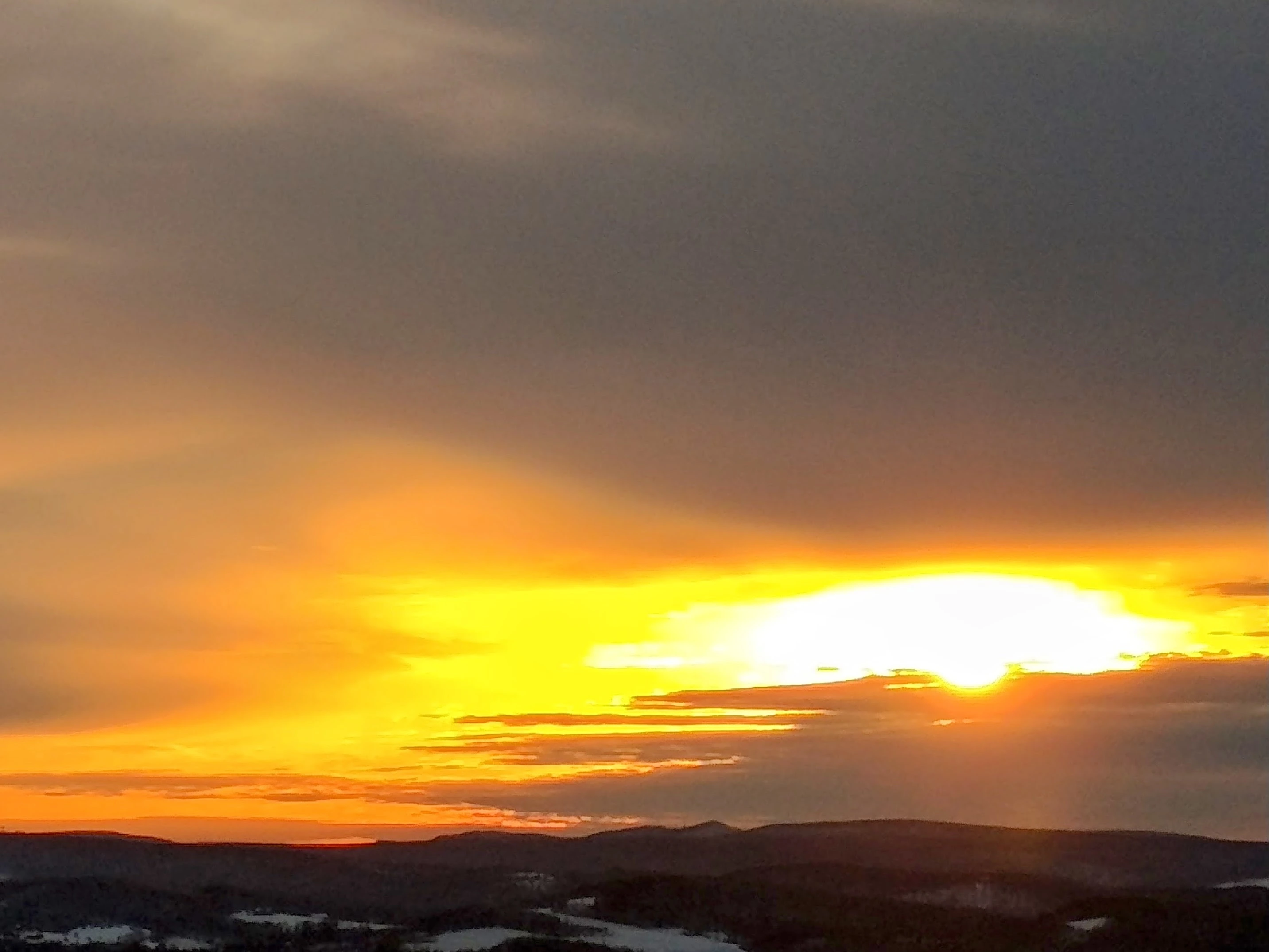
Why this gateway works
A professional place page should do more than tell readers that a destination is popular. It should explain why the place is structurally useful. In this case, the value comes from the way the gateway combines practical services, strong landscape cues, and a visitor rhythm that can support both beginners and repeat readers.
This is why gateway towns and corridors deserve their own layer on the site. They shape whether a reader actually gets to use the habitats, seasons, and species pages in practice. The right gateway reduces friction and increases the number of meaningful things a reader notices.
Best uses
- mixed town-and-trail day trips
- rail-trail users and scenic drivers
- ridge-and-valley landscape reading
- cool-weather mountain weekends
- service-rich western gateway planning
Key visitor points of interest
The points below matter because they create durable anchors for attention. They are not just attractions. They are the kinds of places that make weather, water, forest cover, horizon, slope, edge, or visitor pacing easier to understand.
- Cumberland as a full-service western gateway
- Frostburg as a smaller ridge town with mountain feel
- Great Allegheny Passage access points
- Rocky Gap area for a more open, dramatic mountain frame
- western overlooks and road pull-offs that reveal relief quickly
The most effective use of these points of interest is to choose two or three rather than trying to touch everything. A town stop, one public-land anchor, and one scenic pause will often teach more than a packed itinerary.
Season and timing notes
Autumn is particularly strong because the corridor makes long views and elevation contrast easy to appreciate. Winter can also be compelling for bare-canopy structure and short scenic loops. Summer works best when the day uses shade, elevation, and morning light.
Timing changes meaning. The same gateway can feel educationally rich in one season and merely busy in another if the day is not shaped to match conditions.
Landscape reading notes
This corridor is excellent for teaching that not every great field day depends on a long hike. A rail-trail segment, one overlook, one forest stop, and a carefully chosen road can reveal just as much as a larger itinerary if the reader pays attention to slope exposure, stream position, vegetation density, and settlement pattern.
Gateway pages are here to help readers identify where to slow down, what kinds of clues the landscape will offer, and how to connect those clues back to the broader reference system.