
Season guide
Winter in Maryland
Winter in Maryland is a season of exposure, structure, short light, and disciplined movement. It removes cover, simplifies some readings, sharpens others, and demands that visitors think in terms of footing, wind, day length, and thermal comfort rather than in terms of abundance alone.
The point of a long-form season page is not merely to describe weather. It is to show how weather, light, water, sound, foliage, movement, and visitor pacing interact. When a season page succeeds, it helps a person understand where to go, what to expect there, how to move through the day, and why certain places suddenly become more or less useful.
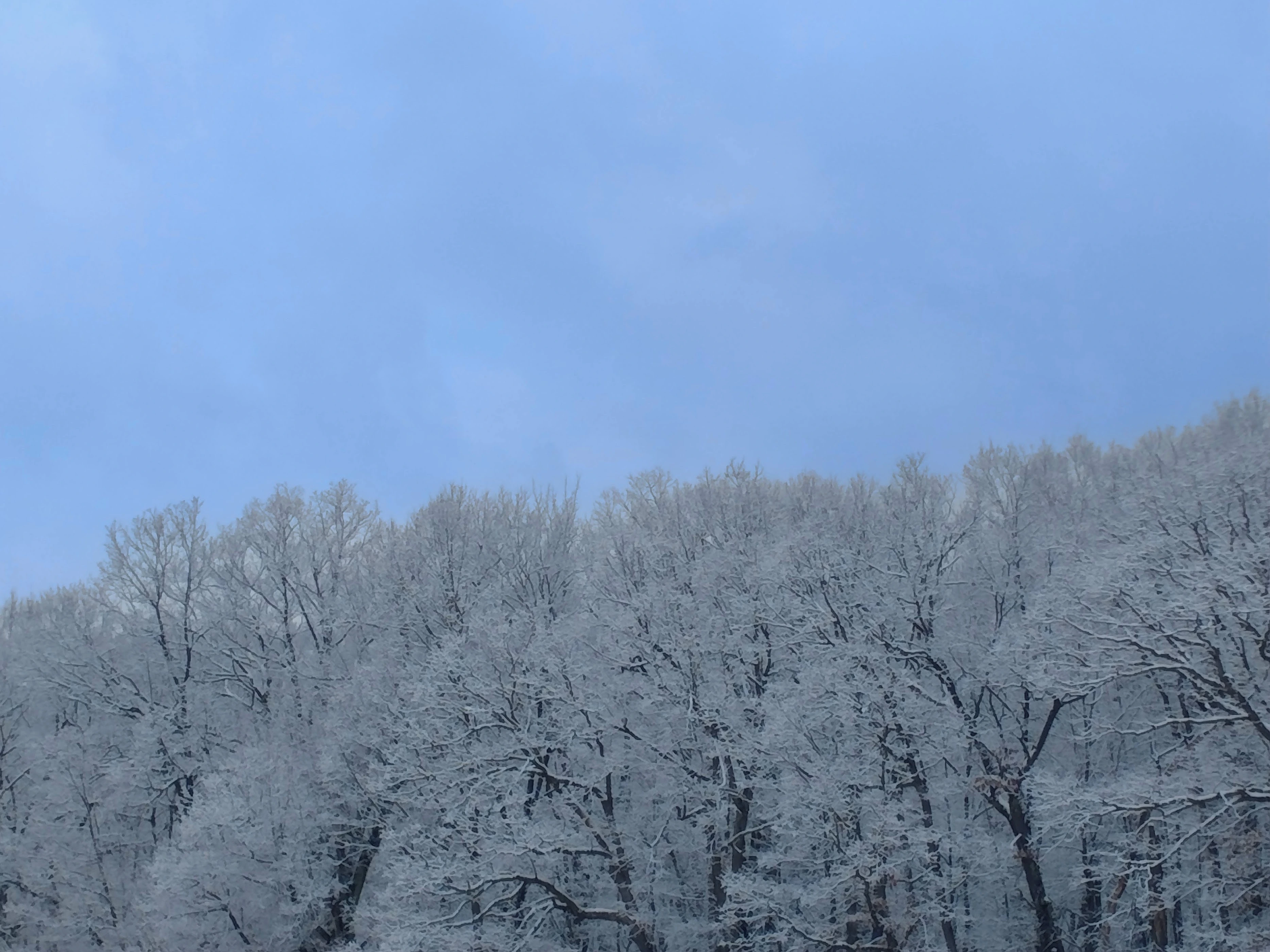
Statewide pattern
Winter in Maryland is a season of exposure, structure, short light, and disciplined movement. It removes cover, simplifies some readings, sharpens others, and demands that visitors think in terms of footing, wind, day length, and thermal comfort rather than in terms of abundance alone.
In Maryland, winter never arrives evenly. Western ridges and high valleys may lean one way while the lower Bay, central corridors, marshy edges, and Atlantic-facing landforms experience the same calendar through different light, moisture, and exposure. That unevenness is precisely what makes the state so rewarding to read. The season is not a flat backdrop. It is a sequence of regional expressions.
Because of that, the best season planning begins by reducing the scale of the question. Not “What is winter like?” but “What is winter like in mountain forest, on a Bay shoreline, in marsh country, in edge habitat, or in an urban-edge river corridor?” When people narrow the question, their trips improve immediately.
Regional character
In the mountains, winter can feel severe, beautiful, and fast-changing. In central and Piedmont sections, bare canopy and quieter trails often make structure easier to see. Along the Bay, Shore, and coast, winter can be defined by wind, horizon, open water, and bird-focused travel. In every region, the season asks people to value clarity over volume.
A serious Maryland season guide has to acknowledge that travel style changes with region. The same season may invite long scenic driving and overlook stops in the west, boardwalk-and-waterfront rhythms around the Bay, family-scale short walks in central corridors, and horizon-heavy birding or photography days along the Shore and coast. That is why the new site links season pages directly to Places and Public Lands. A season is more useful when it is translated into gateways, towns, and plausible itineraries.
Use season + place together
- Choose a region whose version of the season matches your goal.
- Select a place page or gateway town.
- Add one habitat page and one field skill.
- Keep the day small enough that the season has time to teach you.
Wildlife, vegetation, and field signals
Winter wildlife and vegetation reading depends on contrast. Tracks are often more meaningful. Water structure stands out more strongly. Edge relationships become easier to read. Bare branches make shape, bark, snag use, evergreen contrast, and movement lines more visible. The season is less lush but often more explicit about form.
The best field people in winter are not chasing spectacle alone. They are watching for combinations: sound plus ground condition, leaf stage plus water behavior, light angle plus edge movement, mast plus quiet travel, or bare-canopy visibility plus trail conservatism. Those combinations are what allow a species, habitat, or region page to become actionable in the field instead of remaining merely informative at home.
That is also why winter works so well as an organizing concept for the site. It touches every layer at once. A season changes what species are easier to notice, which habitats are easier to interpret, which towns feel like better bases, what public-land rhythm makes sense, and which kinds of visitor points of interest become most rewarding.
Trip planning, hospitality, and pace
Winter planning is about prudence, not fear. Shorter outings, warm reset points, town-based breaks, exposed-site awareness, and realistic turn-back thresholds are signs of a well-run day, not a compromised one. The best winter itineraries often mix one purposeful outdoor objective with one scenic or town-based pause that protects the rhythm of the whole trip.
Hospitality matters here in a practical sense. Base towns, meal timing, short-walk options, weather backup plans, and the psychological rhythm of a trip all affect what a season gives back. A well-chosen base can make winter calmer, more family-friendly, and more observant. A poor base can make the same season feel rushed and incoherent. The purpose of the site’s planning layer is to help people choose days with enough structure to work and enough flexibility to adapt.
Best uses of the season
Winter is one of the best times to practice the site’s full chain method: season to place, place to habitat, habitat to field skill, and field skill back to species. Readers who use the site this way will almost always gain more than those who read only one page. The season page supplies the clock. The place page supplies the geography. The habitat page supplies the pattern. The field-skill page supplies the method.
That chain is what gives Maryland Wilderness its more professional shape. It is not enough for the site to be attractive or full of pages. It has to help people move through the right pages in the right order. A strong season guide does that by clarifying what kind of question is most useful now. Where is water the story? Where is shade the story? Where is wind the story? Where is food the story? Where is visibility the story? Those are the questions that turn a season into field literacy.