
Month by month
January in Maryland
Evergreen monthly guide • live calendar uses New York City time
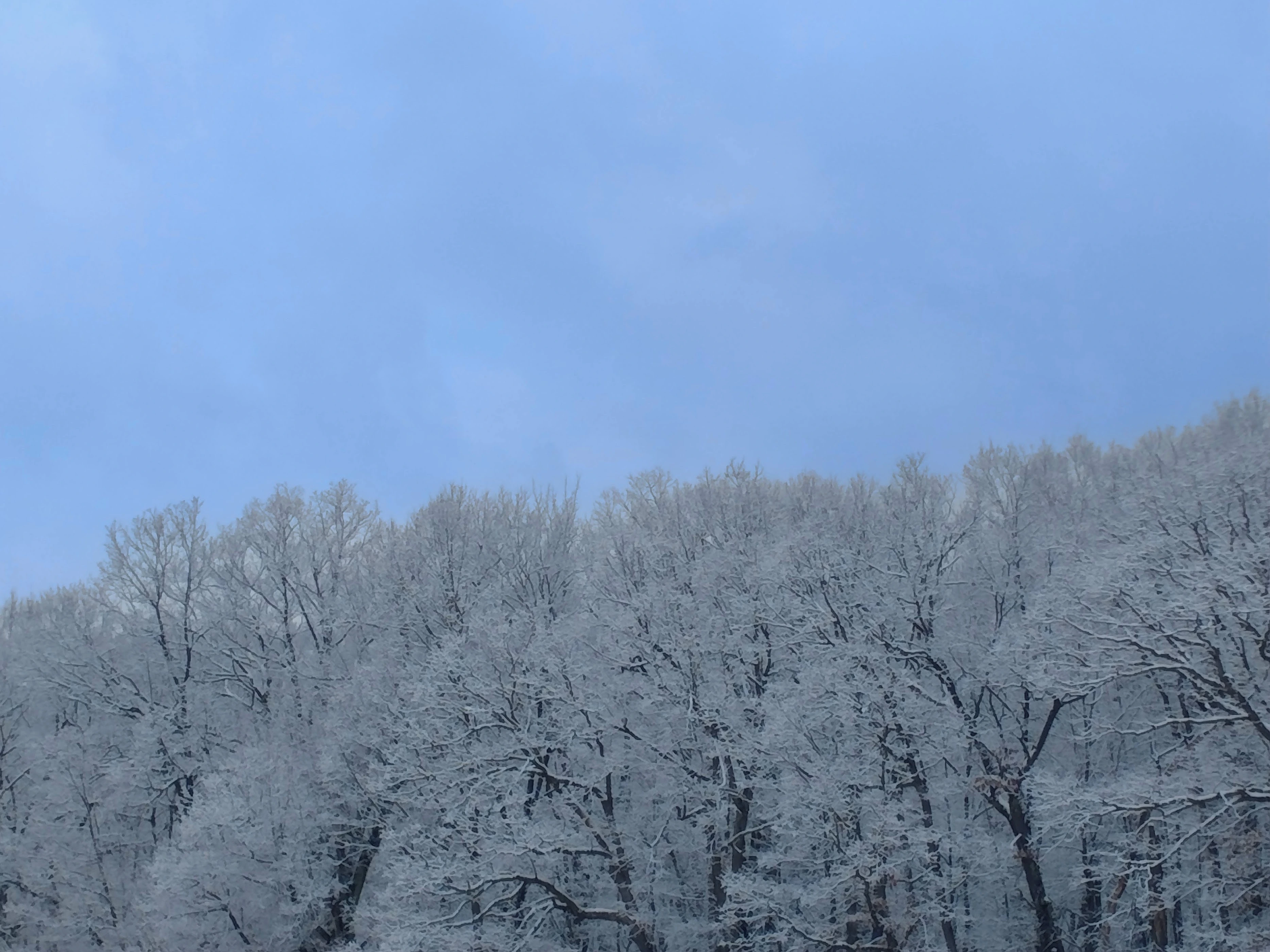
January is one of the clearest months for reading structure. Leaves are gone, sightlines stretch, and creek valleys often become the most generous places to walk because moving water, shelter, and terrain variety keep a short day from feeling empty. The best January outings are not necessarily long. They are well chosen, with a protected valley, a town or pull-off nearby, and one or two strong landscape cues to pay attention to instead of a huge mileage goal.
Good January pairings include winter stream pages, owl listening on calm evenings, Blackwater and shoreline birding on stable weather, and short mountain overlooks when wind is manageable.
What to pay attention to in january
In january, the most useful field people pay attention to five things at once: light, water, ground condition, structure, and pace. Light determines whether a shoreline, edge, or valley gives up detail. Water determines whether wetlands, pools, marshes, and streams feel expansive or compressed. Ground condition affects route choice and family comfort. Structure controls what can be seen or heard. Pace determines whether the outing should be a short concentrated visit or a wider itinerary with scenic transitions.
Because Maryland is small but varied, january also changes differently by region. Mountain towns may lag or sharpen the month in ways that the Bay does not. Marsh and coast can be more wind-driven. Central Maryland and the Piedmont often reward compact multi-stop itineraries, while the western high country and Atlantic edges reward stronger commitment to one landscape type.
Strong species now
Barred Owl, Bald Eagle, Great Blue Heron, winter waterfowl, White-tailed Deer
Where the month reads well
Good places for january outings
Places
Gateway towns and regional bases
Blackwater, Assateague gateways on stable weather, Patapsco and Gunpowder valleys, Elk Neck overlooks
Public lands
Choose a protected area that fits the month
Use the public-lands system when you want the landscape itself to drive the outing: marsh boardwalks, stream valleys, mountain overlooks, or short family loops.
Discovery guides
Add one practical field question
Monthly timing becomes more useful when paired with a question: tracks, low water, vernal pools, owl listening, shoreline wind, or widening sightlines.
Plan the month with conditions, not assumptions
The easiest mistake in january is to assume the whole state behaves the same way all month long. Better planning starts by asking a few practical questions. Is the day exposed or sheltered? Is water a feature or a burden? Is the trip scenic, educational, or species-led? Is the best stop a marsh boardwalk, a creek valley, a meadow edge, a mountain overlook, or a compact town-linked loop? The better the question, the better the outing.
Pair the month with one destination, one habitat, and one species page to keep the day focused and realistic.
Move through the year