
Cold-season discovery guide
Winter creek valleys make small details easier to see and larger landscape structure easier to understand.
A winter creek valley can be one of the most rewarding places to walk in Maryland because leaf-off conditions simplify the scene without making it empty. Water stands out more clearly, tracks hold longer, bird movement becomes easier to follow, and the valley’s shape starts to explain why animals use it the way they do.
These outings are not built on abundance in the summer sense. They are built on clarity. A good winter creek walk teaches how water, shelter, slope, crossing points, and edge habitat all work together when the woods are quieter and more open to view.
Use this page when a winter outing feels possible but the destination still needs a better reason than simply getting outside.
What to notice first
Start with the water itself. In winter, current, pools, riffles, bank shape, crossings, and ice or thaw patterns often become the most readable part of the walk. From there, look at how deer, fox, songbirds, kingfishers, or other wildlife use the valley’s protected routes and edges.
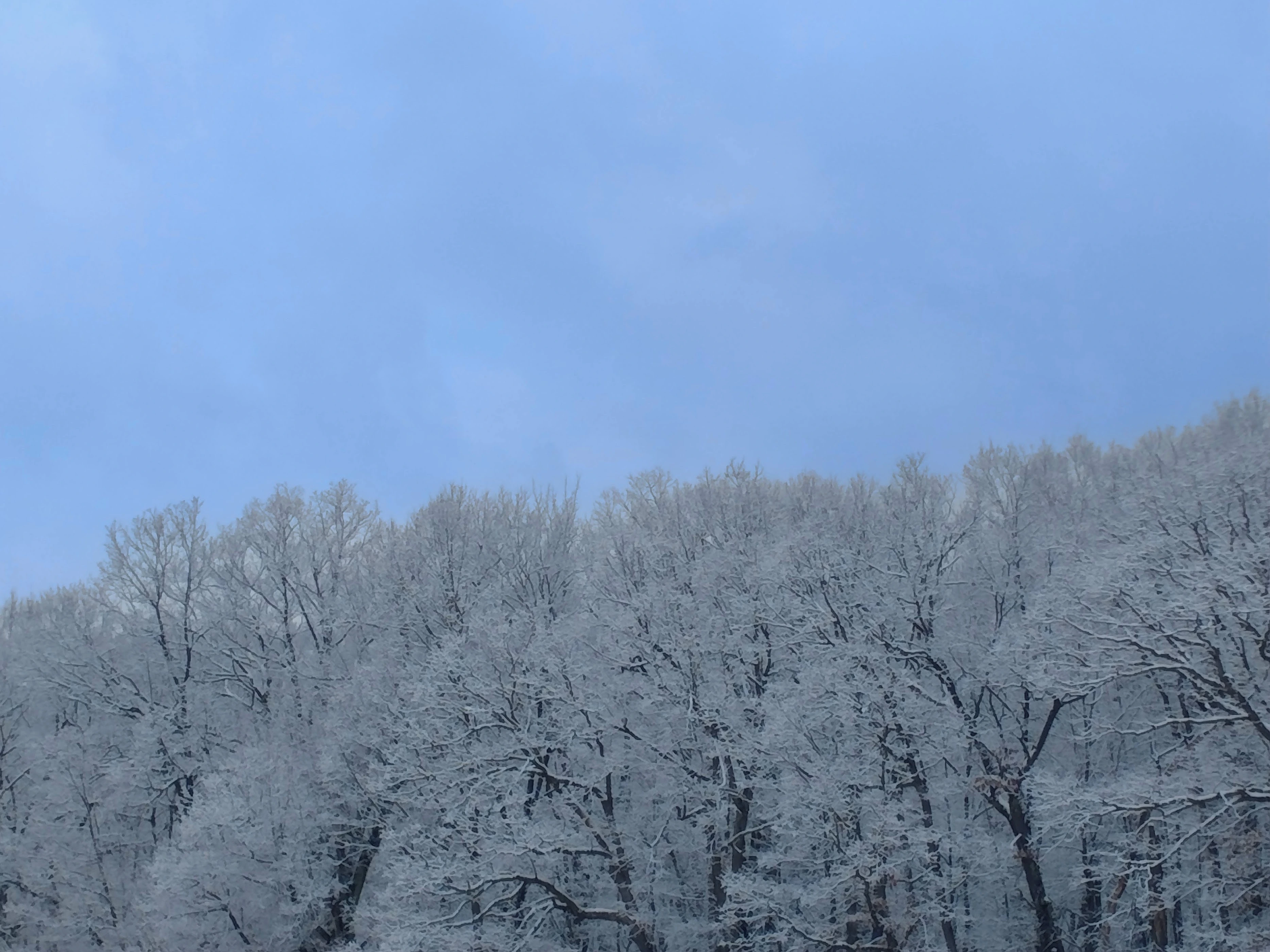
Leaf-off structure often reveals denser cover pockets, sunny slopes, and travel corridors that summer foliage hides.
Why winter improves the read
The season strips away visual clutter. That makes sign, movement, and valley form easier to interpret. Sound also changes. Water carries differently, bird calls are easier to isolate, and a quieter woods can make small encounters feel more distinct.
Winter creek valleys are especially good for readers who want field skill as much as wildlife sighting. Even a quiet day can still feel rich because the landscape itself is more legible.
How to shape the outing
Choose a manageable route, dress for damp cold, and let the walk stay slower than a warm-season loop. A winter valley rewards stop-and-look pacing, especially near crossings, side channels, and edge habitat.
This kind of walk also works well for pairing with track reading or stream pages because the day is already built around interpretation rather than distance.
Where this guide pairs well
Pair winter creek valley walks with stream-and-river habitat pages, track-reading skills, western or Piedmont regions, and public lands that support river or valley routes.
Read next
Reviewed by
Reviewed by Michael Deem
Michael Deem is the editorial lead for Maryland Wilderness. His background includes a decade of wildlife damage control experience, private-applicator work beginning in 2007, and practical entomology knowledge that informs pages about attractants, insects, edges, structures, and seasonal wildlife use.
Michael Deem reviews discovery pages for field usefulness, timing, and pattern-recognition value in Maryland landscapes.
Discovery pages are written to sharpen attention outdoors. They work best when paired with destination, habitat, season, or field-skill pages rather than used as standalone directories.