
Regional places
Chesapeake Bay Places & Towns
Chesapeake Bay becomes easier to use when towns, access roads, scenic corridors, and public entry points are treated as parts of one travel pattern.
The strongest base is often the one that shortens travel, fits the season, and leaves enough time for a small number of strong stops.
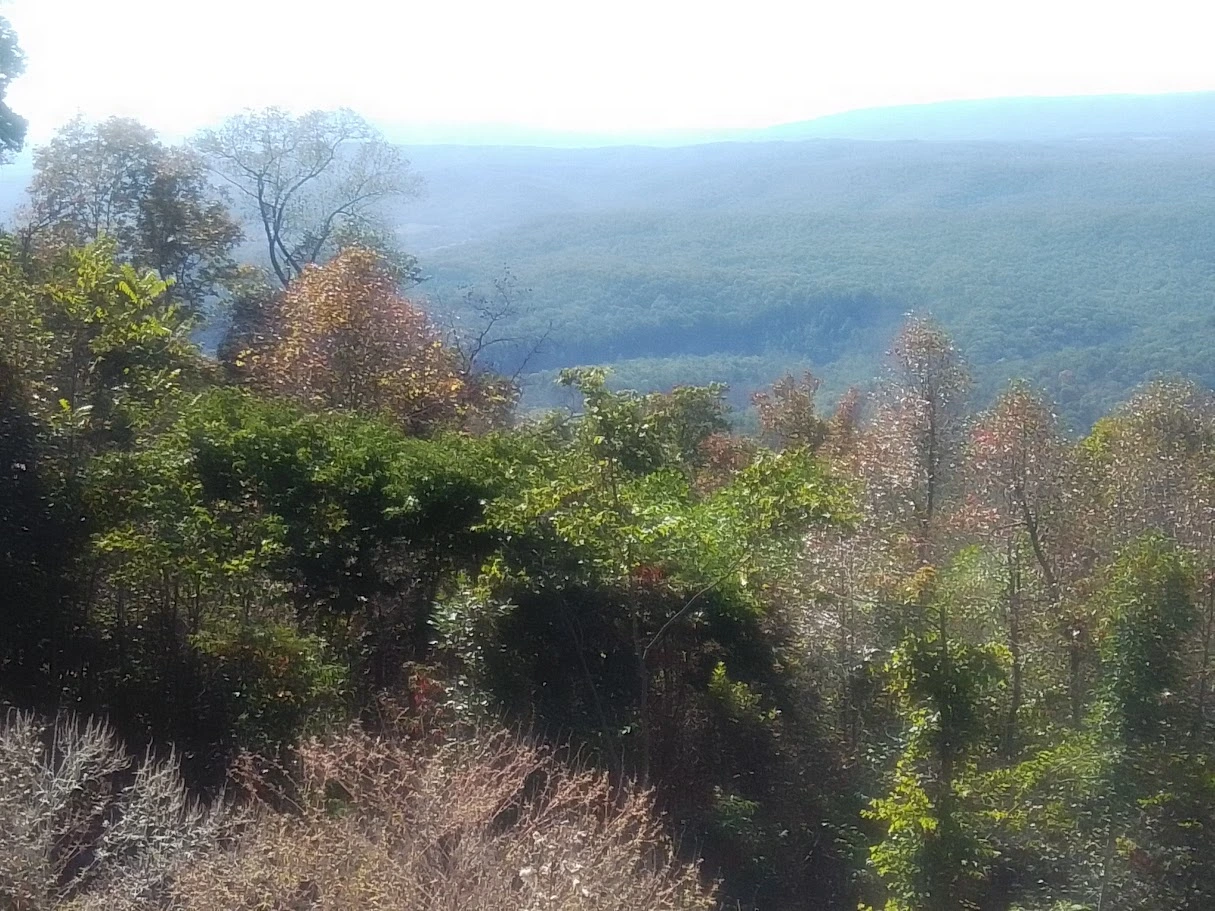
How the area reads on the ground
Visitor points of interest matter here because they reveal how towns, roads, overlooks, launches, and short walks sit inside the larger landscape. A waterfront park can clarify tidal movement, a boardwalk can clarify marsh structure, and a quiet main street can make an overnight stop or early start much easier.
The best results usually come from keeping the day small: choose one base, one habitat type, and one or two strong stops rather than trying to cover the whole region at once.
Best uses
- Choose a base town for a two-day trip.
- Compare scenic versus practical access.
- Find calmer family entry points into the region.
- Pair towns with public lands and seasonal effects.
- Use visitor points of interest as observation anchors.
Prominent towns and base areas
Annapolis approaches
Strong for people who want a Bay-facing base with waterfront interpretation, history, and day-trip access to tidal landscapes.
Kent Island corridor
Helpful as a bridge between mainland travel and Eastern Shore movement, especially for open-water perspective and marsh-edge transition.
Jug Bay area
A quietly excellent place to understand marsh, tidal freshwater transition, and slower wildlife observation without heavy spectacle.
Chester / Bay-side small-town stops
Useful as practical pauses for scenic access, shoreline reading, and family-scale movement through the Bay section of the state.
Visitor points of interest
The following points of interest are useful because they make the region legible, not merely famous. They tend to combine access, scenery, habitat clues, and practical visitor rhythm.
- waterfront parks
- tidal marsh boardwalks
- river mouths
- public fishing and viewing areas
- historic waterfront districts
A point of interest should never be treated as the whole landscape. It is better understood as a doorway into the larger pattern — mountain weather, shoreline change, marsh transition, forest structure, or travel rhythm. Readers who keep that larger pattern in view will get much more value from a single stop.
Planning notes
When using this regional place layer, begin by deciding what kind of day you want. Is the goal a scenic first encounter with the region, a family-friendly loop, a photo outing, a birding morning, a mixed day of town and trail, or a quiet shoulder-season drive with short walks? The right town and point of interest depends heavily on that answer.
This is also where season pages become useful. A Bay town behaves differently in spring wind than in late-summer humidity. A mountain town becomes a different base when autumn color shifts, or when winter short light changes how much ground you can sensibly cover. Pairing place pages with seasons keeps the site honest and practical.