
Autumn discovery guide
Leaf drop and widening sightlines
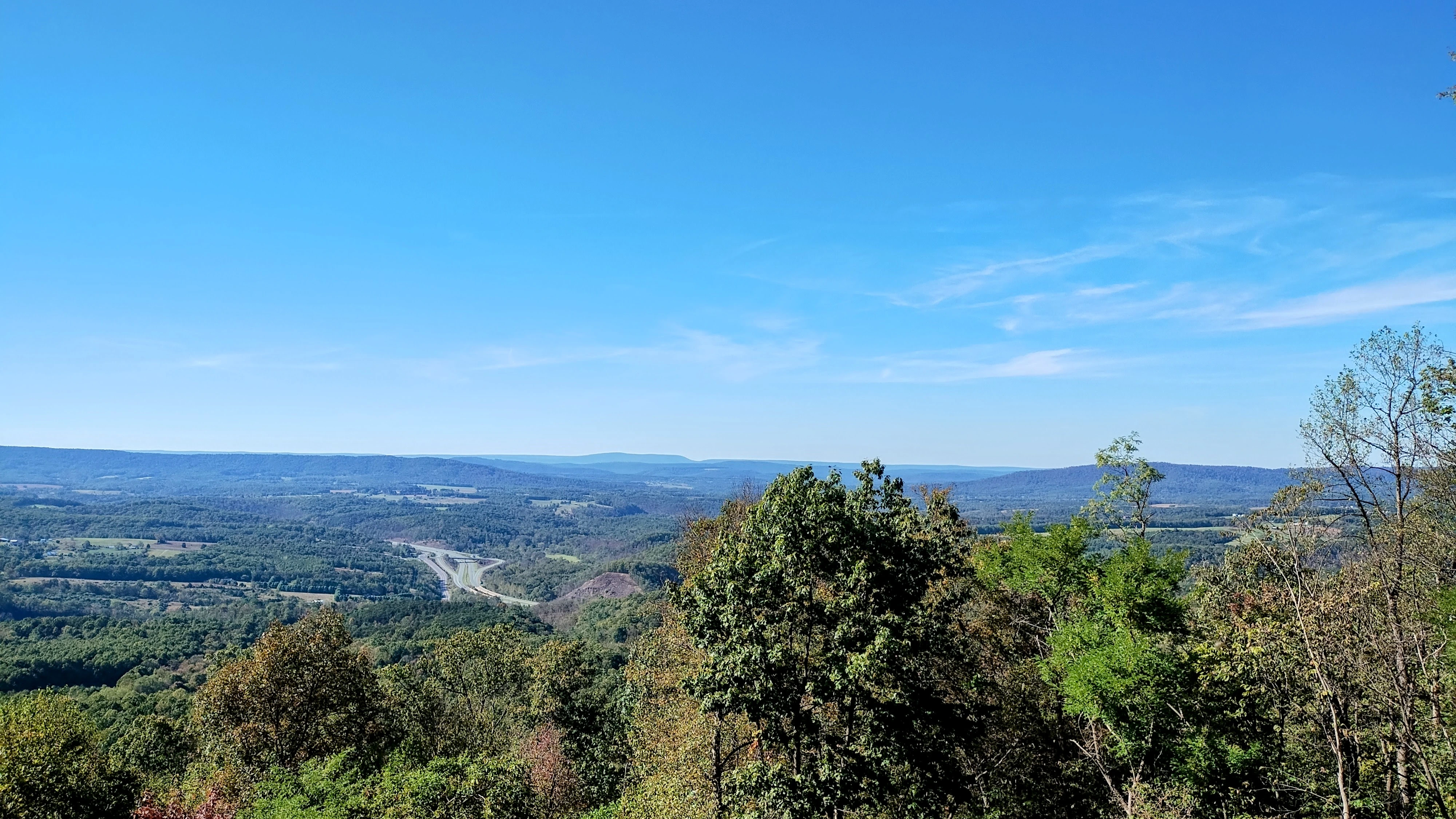
Autumn is often described through color first, but one of its most useful reference effects is structural. As leaves begin to drop, the woods become easier to read. You can see farther along ridges and into creek bottoms. Edge country becomes legible in a different way. The same walk you made in July may suddenly reveal side draws, old field lines, deer trails, owl perches, or stream shape that summer foliage hid completely.
This guide treats leaf drop as a reading advantage. It helps people understand when visibility begins to widen, how that differs by region and elevation, and which public lands or gateway towns make that change easiest to appreciate. A strong autumn writing should not only celebrate color; it should teach how the year becomes structurally simpler to observe.
Use this guide in the field
Pair this page with a place that gives you a clear starting point, a manageable walk, and a realistic fallback if conditions shift. A good discovery writing should help you decide where to begin, what to notice first, and when to turn around or adjust your plan.
Use the related links below to add a season, habitat, gateway, or public-land page before you go. That combination makes the outing easier to shape on the ground and easier to repeat when conditions line up again.