
Regional outing guide
Central-Maryland outings work best when repeat value matters more than spectacle.
The central and capital region is where many Maryland outings have to prove they are worth repeating. Readers may have less time, shorter weather windows, more traffic considerations, and a greater need for destinations that can deliver a useful day without becoming a major trip.
That makes this region ideal for refuge loops, wetland sanctuaries, river-valley walks, edge-country observation, and public lands that reward seasonal return. The best places here are not always the most dramatic. They are the ones that continue teaching under different light, weather, and time-of-year conditions.
Use this guide when the question is not “Where is the grandest destination?” but “Where can we go that still feels strong, useful, and realistic from central Maryland?”
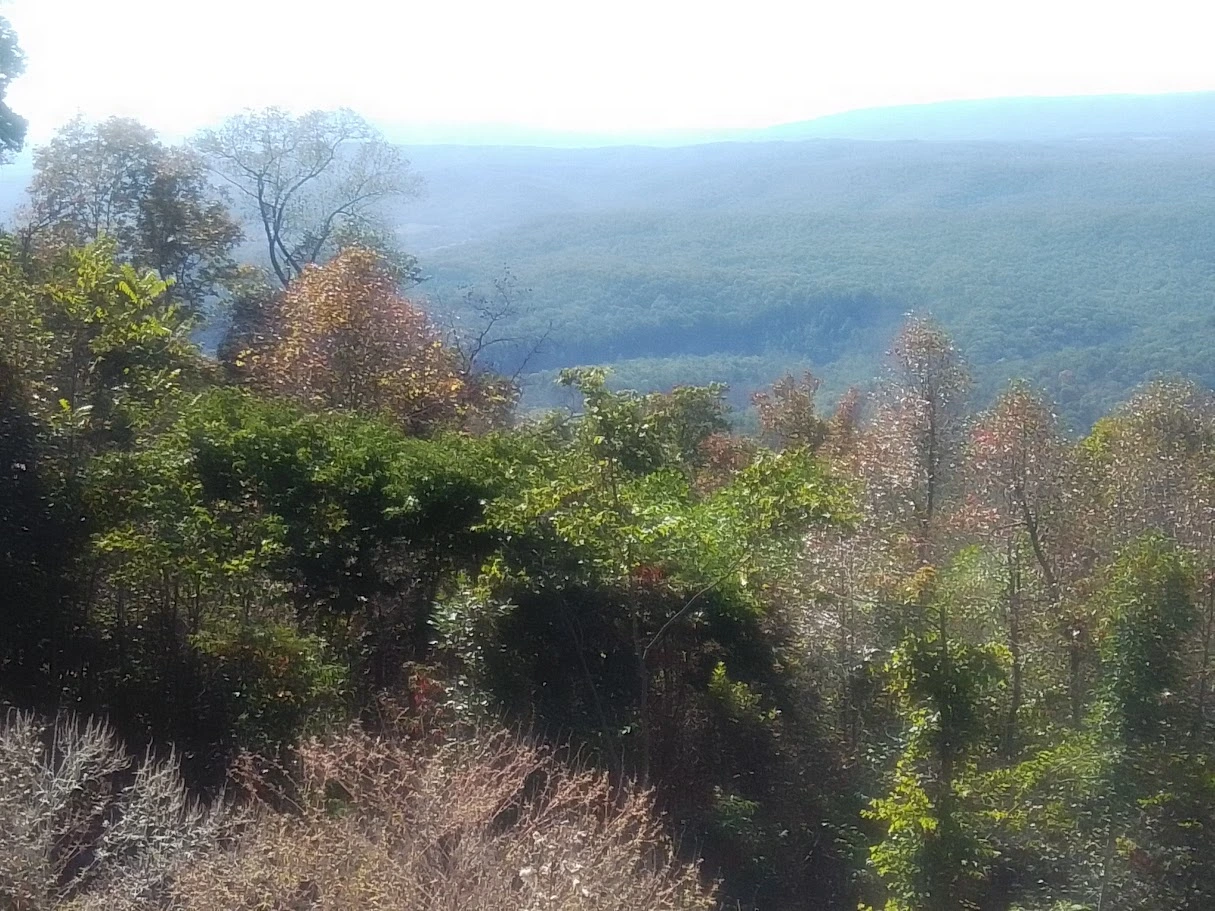
What this region does well
Central Maryland is strongest for refuge use, short-to-moderate wildlife walks, family-paced days, and readers who want to compare the same habitats under different seasonal conditions. It is weaker when the day depends on dramatic horizons or large exposed coastal space.
That does not make it lesser. It makes it better suited to learning, repetition, and accessible field use.
What kind of day to build here
Build quieter mornings, refuge loops, wetland walks, boardwalk days, or short woodland-and-edge routes. These are the kinds of days that central Maryland supports consistently. They are ideal for readers who want a good trip without needing a full-destination travel day.
If the day needs a major weather experience, exposed shoreline, or mountain-corridor feeling, another region is usually a better fit.
What to read next
Use Patuxent and Jug Bay for near-home refuge and wetland value, the family outings page for group planning, and central-Maryland region pages for broader context.
This guide becomes more useful over time because the region rewards repeated short trips. A reader who learns two or three central-Maryland outings well often gains more field confidence than a reader who keeps changing destinations before the patterns settle in.
Reviewed by
Reviewed by Michael Deem
Michael Deem is the editorial lead for Maryland Wilderness. His background includes a decade of wildlife damage control experience, private-applicator work beginning in 2007, and practical entomology knowledge that informs pages about attractants, insects, edges, structures, and seasonal wildlife use.
Michael Deem reviews outing pages for practical pacing, habitat fit, realistic expectations, and Maryland-specific usefulness.
Visit pages are editorial planning guides. Official park hours, closures, fees, trail notices, hunting restrictions, and posted access rules should always be checked before a trip.