
Destination guide
Cunningham Falls & Catoctin
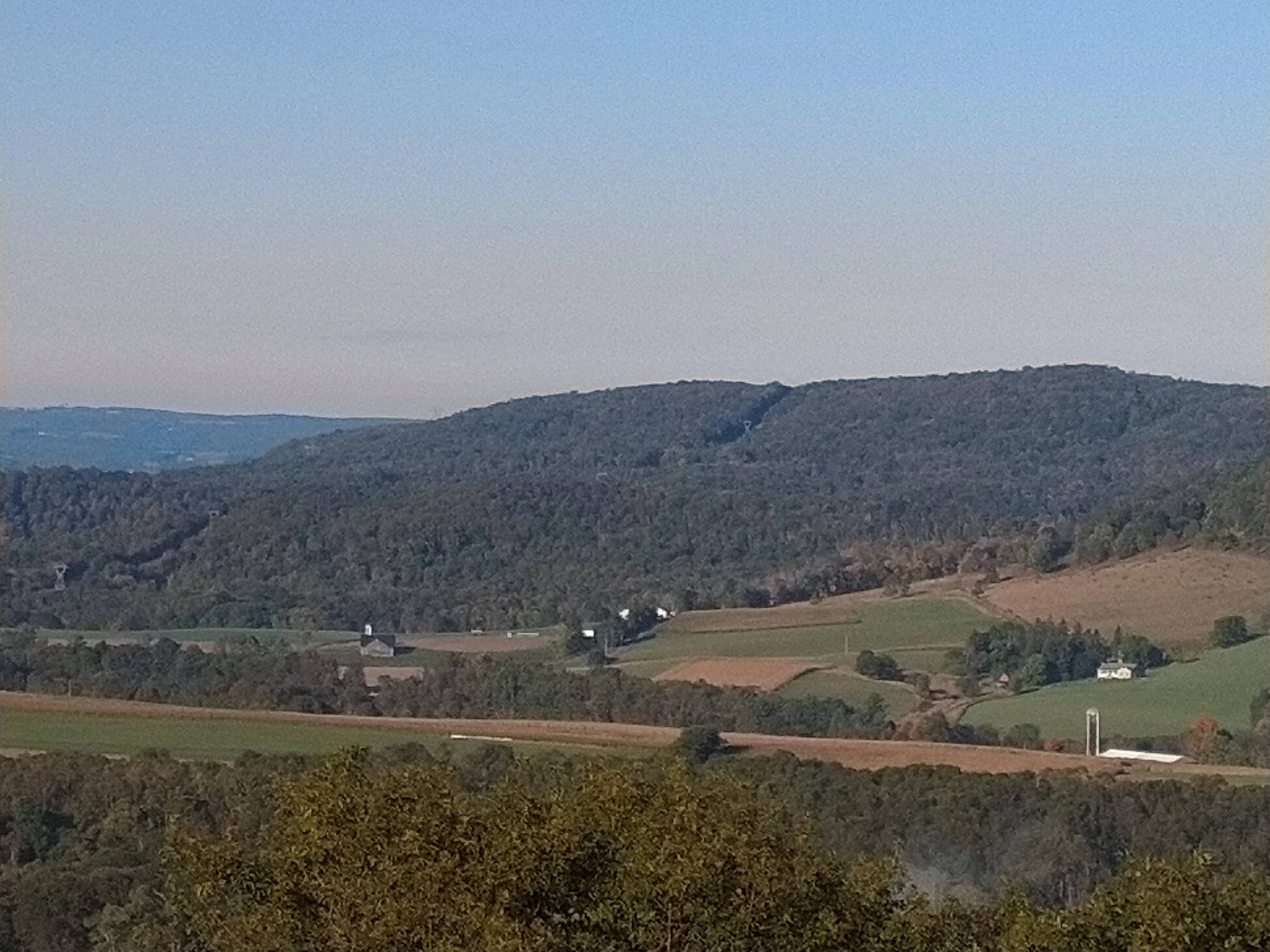
Cunningham Falls and nearby Catoctin form one of Maryland’s strongest transition-country destinations: wooded ridges, stream influence, elevation relief, family-recognizable scenery, and a gateway area that makes the whole landscape easier to use.
It is a smart first stop for readers who want mountain-adjacent structure without driving deep into the far western counties. The destination explains where Piedmont logic begins to tip toward stronger upland character.
That makes it useful for autumn color, cooler summer walks, shoulder-season practice, and family outings that need visible scenery without excessive complexity.
Choose the day’s purpose
Decide whether the trip is about a waterfall-and-family walk, a cooler wooded day, autumn color, or simply learning the landscape. The destination becomes more useful when one purpose leads instead of three competing at once.
Read the transition
Watch for the change in relief, canopy, and air movement. This is where the state begins to feel more upland and more folded, even when the outing is still reachable from larger population centers.
Keep the outing simple
Most visitors get more value from one good loop, overlook, or falls-centered route than from trying to pack multiple trail systems into one day.
Why this destination earns repeat use
Cunningham Falls and Catoctin are repeatable because they remain useful across different seasons and skill levels. The same destination can support a short family outing, a shade-first summer walk, or a colder-weather trip aimed at reading structure more clearly.
That flexibility is exactly what makes it valuable for AdSense-quality site building as well: it is a page that can carry practical planning, regional interpretation, and real destination judgment rather than acting like a short stopover stub.
Use it to compare mountain-adjacent Maryland with deeper western counties. Once readers can feel that change, the rest of the regional structure becomes easier to understand.
Pair this destination
Best next pages
Region
Piedmont
Use the broader region page to understand why this area feels like a transition zone.
Visit guide
Best Places for Wildlife
Compare this destination with Blackwater, Assateague, Patapsco, and western forest options.
Visit guide
Family Wildlife Outings
A good companion when the group needs flexible pacing and visible payoffs.
Destination
Patapsco Valley State Park
Use both pages to compare river-valley woods with hillier transition-country terrain.
Reviewed by
Reviewed by Michael Deem
Michael Deem is the editorial lead for Maryland Wilderness. His background includes a decade of wildlife damage control experience, private-applicator work beginning in 2007, and practical entomology knowledge that informs pages about attractants, insects, edges, structures, and seasonal wildlife use.
Michael Deem reviews this destination page for field usefulness, route realism, and clear regional interpretation within Maryland.
Use the guide for destination judgment, then confirm trail conditions, posted rules, and closures with the relevant agency before traveling.